

EVRI has become one of the largest parcel and logistics companies operating in the UK. Unfortunately, this trusted courier service is now being exploited by scammers sending fake EVRI text messages designed to steal money and identities from unsuspecting victims. This emerging scam is something all Brits need to be aware of.
Overview of the EVRI Missing Package Delivery Text Scam
EVRI handles over 600 million parcel deliveries annually across Britain. However, this trusted courier’s reputation is now being exploited by scammers sending fake EVRI text messages to steal money and identities from unsuspecting victims.
This emerging scam typically starts with an unsolicited text message stating a package intended for the recipient is awaiting delivery but missing key information like an address or tracking number. The recipient is prompted to click a link and enter personal details so the “package” can be delivered. However, the link leads to a sophisticated fake website mimicking the real EVRI site.
If victims input information, scammers can steal it for identity theft or sell it on the dark web. Victims may also be tricked into paying a small “redelivery” fee, handing cash directly to scammers. This creative reuse of common phishing tactics to target EVRI customers demonstrates the increasing threat of “smishing” scams that all Brits should be aware of.
Mass Texts Enable Large-Scale Scamming
A key element enabling this scam is sending texts en masse to UK phone numbers. Unlike email, SMS messages reach phones instantly with no filters. Automated bots can blast thousands of fraudulent EVRI alerts per hour from constantly changing “burner” numbers.
Even if only a small percentage of recipients act, the sheer volume still means success for scammers. Moreover, hiding behind disposable numbers provides scammers near-anonymity. Victims wrongly assume the texts are legitimate because they come from verified EVRI branding.
Highly Realistic Fake Sites
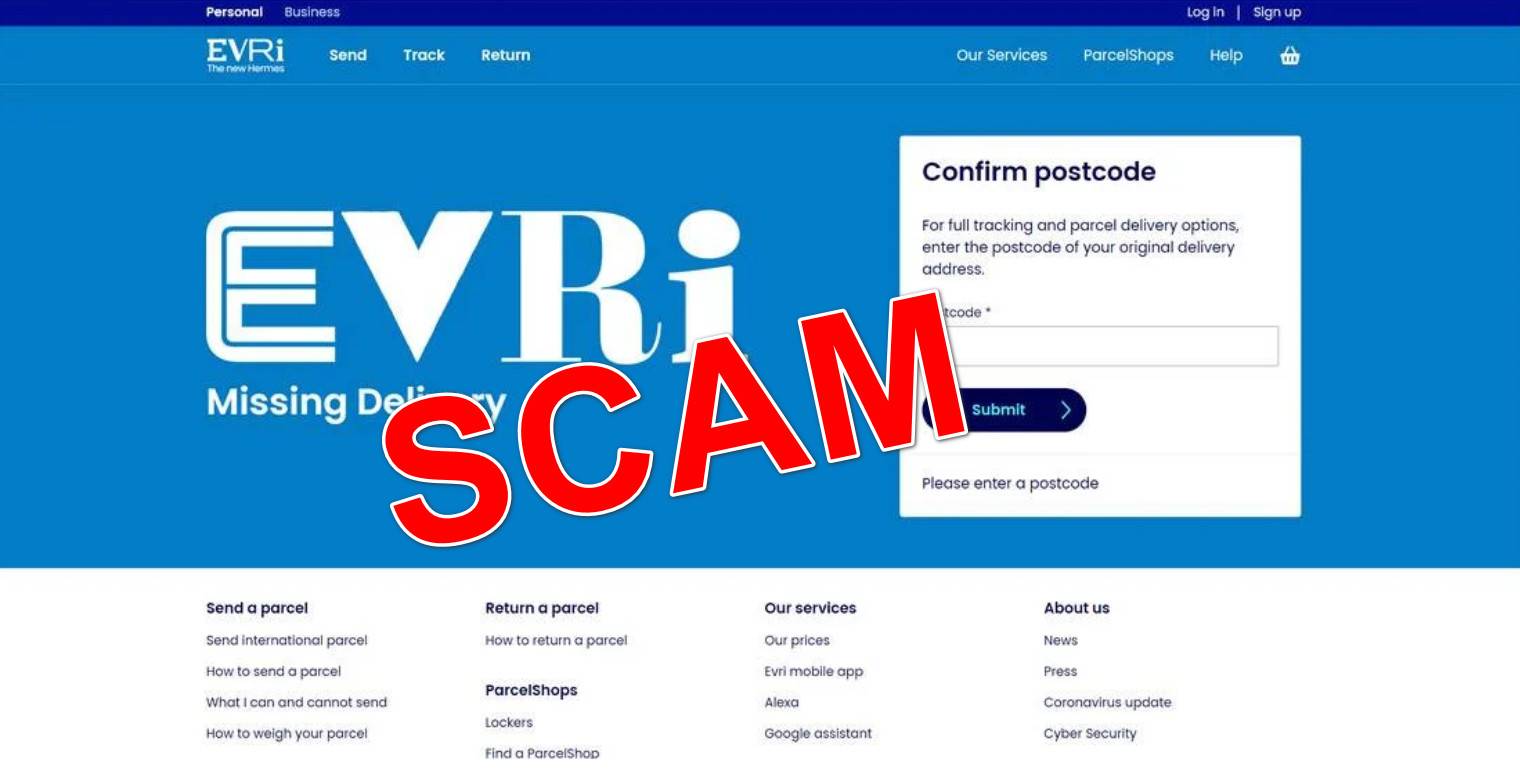
While texts initiate the scam, the fraudulent EVRI sites complete the deception. Scammers design sophisticated fakes mimicking the real EVRI site in remarkable detail. The convincing URLs, branding, images and text make the sites seem valid at first glance.
Only close inspection reveals small mistakes, but victims entering sites via text prompt do not scrutinize closely enough. The fakes install a false sense of security in submitting sensitive personal and financial data. Even savvy internet users can be duped by their verisimilitude.
Exploiting Trust in a Well-Known Brand
The scam works by exploiting the widespread trust Brits place in EVRI as a ubiquitous household name. After rebranding from Hermes, EVRI has grown quickly to deliver over 600 million parcels annually across Britain. This builds inherent confidence in communications supposedly from EVRI.
Scammers leverage this brand recognition. Victims let their guard down when texts or emails seem to come directly from EVRI, especially if they are awaiting a real package delivery. By compromising this trust, scammers more easily convince victims to comply.
Seeking Both Money and Identity Theft
Scammers have dual motivations with this scam. First, they make money by collecting small “redelivery” fees, often only a few pounds. Charging cards allows scammers to profit directly from the scam. Second, scammers want the personal info like date of birth for identity theft. Whether by charging cards or selling data online, scammers have discovered EVRI provides many options for monetizing Brits’ information.
By better understanding these techniques, Brits can be better prepared to spot and stop EVRI smishing scams. Just being aware phony texts supposedly from EVRI are circulating is the first step in defending against this fraud.
How the EVRI Missing Package Delivery Scam Works
Scammers rely on specific techniques to effectively execute this scam on unsuspecting victims:
Step 1. Scammers Send Fake EVRI Texts
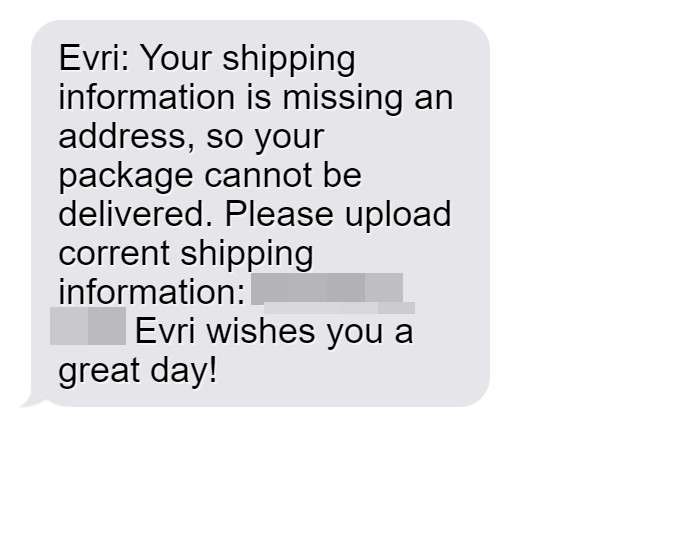
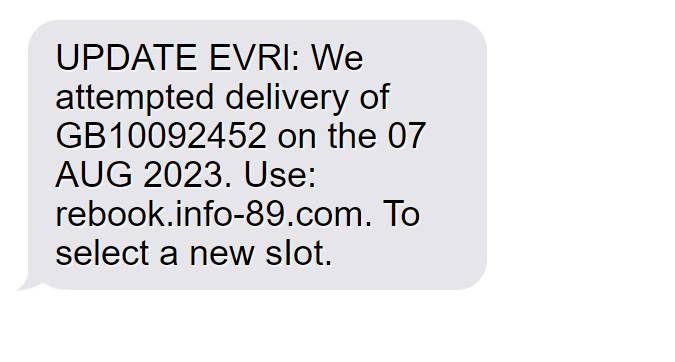
The scam starts with an unsolicited text sent to the victim’s phone. The message looks like it comes directly from EVRI using official branding and messaging. An example text might say:
“EVRI: A package for you arrived today but the address is smudged. Please tap here to enter address so we can deliver: https://evriuk-deliveryassist.co.uk”
Most people won’t immediately recognize this as a scam, since EVRI does send some legitimate tracking updates via text. The link and website appear convincing as well, borrowing authority from the EVRI name.
Step 2. Victims Click The Link to The Fake EVRI Site
If the victim is expecting a package, they will likely click the link ready to enter their address. But the site they are taken to is a sophisticated fake, replicating the real EVRI site with remarkable accuracy.
Very few people will examine the site closely enough to realize it’s fraudulent. The initial text and EVRI branding puts victims at ease, thinking they are on the legitimate site as directed.
Step 3. Victims Input Personal Information
On the fake site, victims are prompted to enter details like their name, address, phone number and sometimes additional information such as date of birth or National Insurance number. Some are even asked to upload a copy of their ID.
Scammers can use this info to commit identity theft by opening accounts or taking out loans in the victim’s name. Once provided, victims have no way to get their information back or prevent misuse.
Step 4. Victims Pay a Small “Redelivery” Fee
After entering personal information, victims are shown one final page asking them to pay a small redelivery fee, typically £2-£5. This allows scammers to directly profit from the scam while the small amount prevents raising suspicions.
Victims pay the fee thinking they are helping get their lost package shipped to them. In reality, they are delivering money right into the scammer’s pocket along with their sensitive personal information.
Step 5. Scammers Disappear With No Package Delivery
Once victims have paid the redelivery fee, the scam is complete. Scammers immediately disable the fraudulent site and disappear with the stolen money and data in hand. No actual package ever gets delivered.
By the time victims realize they’ve been duped, the scammers have changed phone numbers and concealed their identity. The victim is left confused, without their package, out money, and at greater risk of identity theft.
This clever reuse of common phishing techniques to specifically target EVRI customers demonstrates the growing threat Brits should be aware of as parcel deliveries continue to rise.
How to Identify This Scam
While scammers are getting better at disguising their EVRI impersonation attempts, there are still key signs that can help recipients identify these fraudulent messages and websites:
- Be wary of unsolicited texts claiming to be from EVRI. Legitimate EVRI tracking updates are typically only sent if you’ve signed up to receive them. Unexpected texts should be treated as potential scams.
- Inspect links carefully before clicking. Scam texts will include links to convincing fake sites. Check for misspellings or unusual domains compared to the real evri.com.
- Compare logos and branding. Imitation sites won’t perfectly match colors, fonts, addresses and other EVRI details. Cross-check any discrepancies.
- Watch for urgent calls to action. Scams often have messages demanding quick response to claims of a lost package, missing info, or issue with delivery. EVRI provides time to resolve issues.
- Verify legitimacy directly with EVRI. If a text seems suspicious, contact EVRI customer service at 0345 149 0000 to confirm it’s real. Don’t provide info or payment without verification.
- Check site security. Official EVRI pages should have “https” URLs and the lock icon. Insecure sites are a scam giveaway.
Staying vigilant against smishing scams means you should never provide personal or payment details through an unverified link, even if branded as EVRI. Contact EVRI to confirm legitimacy first. Protecting yourself is the best way to avoid becoming another victim.
What to Do If You’re a Victim of the EVRI Package Scam
If you receive one of these fraudulent EVRI texts and are tricked into providing your personal details or payment, take the following steps to mitigate damage:
Contact EVRI Immediately
Your first call should be to EVRI customer service to make them aware your information was compromised through a scam. EVRI may be able to provide guidance or track down the fake sites.
Monitor Accounts Closely
Carefully check bank and credit card statements over the coming weeks and dispute any unauthorized charges. Scammers like to work quickly once they have payment information to use it fraudulently.
Change Online Account Passwords
For any existing online accounts associated with the compromised email address or other information, change passwords immediately. This prevents scammers from accessing additional accounts. Enable two-factor authentication where possible.
Place Fraud Alert
Contact credit reference agencies like Experian, Equifax and TransUnion to place a fraud alert on your name and personal information. This alerts lenders to be extra diligent granting new lines of credit until the alert is removed.
File a Police Report
File a report with Action Fraud and your local law enforcement about falling victim to this scam. Provide any details on the scam phone numbers, websites and payment information. This helps authorities track and prosecute these crimes.
Monitor Credit Reports
Order credit reports from all three agencies and review carefully for any signs of fraudulent accounts opened in your name. Dispute any unauthorized credit inquiries. Consider enrolling in credit monitoring if highly concerned.
Being cautious and taking quick action can help limit the damage caused by providing information to EVRI text scammers. But staying vigilant by verifying legitimacy before clicking links or providing data is the best way to avoid becoming a victim.
Frequently Asked Questions About the EVRI Missing Package Delivery Text Scam
1. What is the EVRI missing package delivery text scam?
The EVRI missing package delivery text scam involves fraudulent text messages sent to UK phone numbers claiming a package is awaiting delivery but additional information, like an address or tracking number, is missing. The message includes a link to submit your details but it leads to a fake website impersonating the real EVRI site. Scammers use this tactic to steal personal information and money from victims.
2. How do scammers send text messages impersonating EVRI?
Scammers use automation tools to send hundreds or thousands of SMS text messages per hour to UK phone numbers. The messages come from constantly changing “burner” phone numbers that cannot be traced back to the scammers. This mass texting approach allows them to cast a wide net for potential victims.
3. What do the fake EVRI text messages say?
The messages claim to be from EVRI, stating that a package intended for you has arrived but additional delivery information is required. The message provides a link you must click to submit this info so the package can be delivered. An example message is:
“EVRI: A package for you arrived today but the address is smudged. Please tap here to enter address so we can deliver: https://evriuk-deliveryassist.co.uk”
4. How closely do the fake websites mimic the real EVRI website?
Very closely. The fraudulent sites use the EVRI logo, colors, images and branding to appear as real as possible. Only small mistakes like incorrect postcodes may indicate it is fake. Scammers know victims won’t scrutinize the site too closely after receiving the initial text prompt.
5. What personal information do the scammers try to steal?
The fake sites will ask for your full name, home address, email address, phone number and sometimes additional info like date of birth or National Insurance number. Scammers steal this info for identity theft purposes and to sell on the dark web.
6. Do the scammers also try to steal money directly?
Yes. After collecting your personal info, the site will prompt you to pay a small “redelivery” fee, usually £2-£5. This allows scammers to directly profit from victims in addition to stealing identities. Even small charges add up with the high volume of targets.
7. How can I avoid falling victim to this EVRI scam?
Remember EVRI does not initiate communication via text messages. Any SMS claiming to be EVRI is fraudulent. Carefully inspect all links before clicking. Do not provide info or pay on any site you accessed via an unsolicited text. Only visit evri.com directly or call 0345 149 0000 to verify messages.
8. What should I do if I fell victim to this scam?
If you provided info or paid fees to a fraudulent site, immediately call EVRI to notify them. Monitor accounts for fraudulent charges. Reset passwords on any accounts associated with the compromised email. Place fraud alerts and file a report to assist law enforcement in tracking down the scammers.
9. Who can I contact to report this scam?
Notify the EVRI customer service line at 0345 149 0000. File a report with Action Fraud and your local police department. Provide all available details to assist authorities in combating these scams targeting Brits.
10. How can I learn more about the EVRI missing package delivery text scam?
Read scam alerts and security tips on the EVRI website. Check the Action Fraud website for up-to-date details on current scams impacting UK residents. Search online to find victims’ first-hand experiences and media reports investigating this scam and others like it.
The Bottom Line
The EVRI package delivery text scam represents a growing threat targeting Brits anxiously awaiting delivery of online orders and mail. By hijacking a ubiquitous courier brand, scammers trick unsuspecting people into giving up personal information and money thinking they are assisting parcel delivery.
Protect yourself by never clicking links or providing information in response to unsolicited texts, even if branded as EVRI. Only visit evri.com directly or contact EVRI customer service at 0345 149 0000 to verify legitimacy. Being proactive and skeptical is the best defense against increasingly sophisticated smishing scams exploiting our reliance on parcel deliveries.








