

A new phishing scam impersonating the parcel delivery company Evri has been making the rounds and stealing personal and financial information from unsuspecting recipients. This elaborate scam utilizes convincing Evri branding and logos to trick customers into providing sensitive details under the guise of a delivery issue that requires immediate payment.
This article will provide an in-depth look at how the Evri@Evri-notes.com scam operates, who is behind it, how to identify fraudulent Evri emails and websites, what to do if you fell victim, and key tips to protect yourself going forward. With online shopping and deliveries surging in popularity, parcel delivery scams are becoming increasingly common and consumers must stay vigilant.
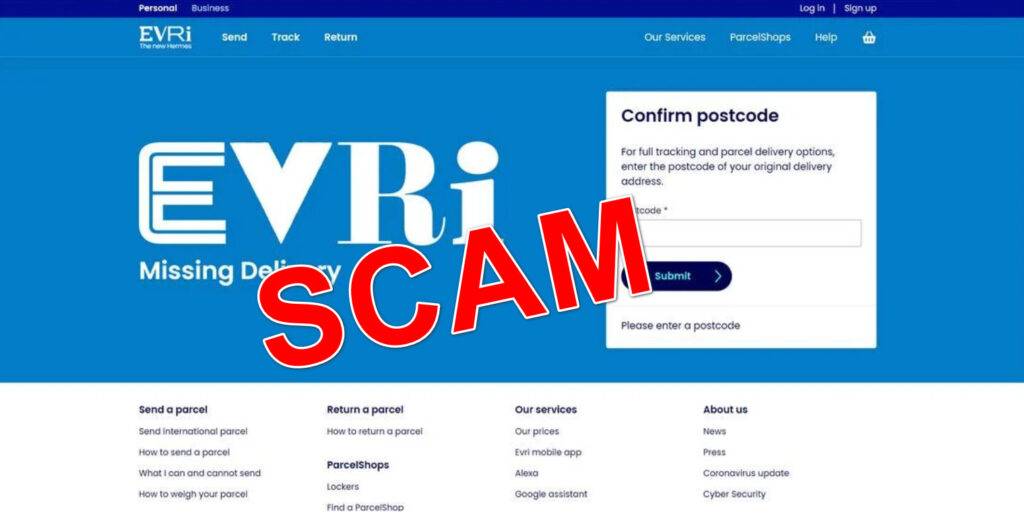
Overview of the Evri@Evri-notes.com Scam
The Evri@Evri-notes.com scam involves victims receiving an unsolicited email claiming to be from the delivery company Evri. The emails use Evri’s official branding and colors to appear legitimate at first glance. They state that there is an issue attempting to deliver your parcel and provide a fake tracking number.
The email prompts you to click on a link to resolve the delivery problem, but the link actually directs to a sophisticated fake Evri website. On this phishing site, victims are asked to enter personal details like name, address, phone number, and even credit card information to pay a “re-delivery fee.”
In reality, the scammers behind the email do not work for Evri and are simply stealing sensitive customer data. Evri has confirmed these emails are fraudulent and not sent by them. The Evri@Evri-notes.com sender address is a clear red flag, as Evri would only send emails from an @evri.com domain.
This scam is essentially a phishing attack specifically targeting Evri customers by impersonating the company and tricking victims into willingly providing the data the scammers want. With stolen credit card numbers and personal information, victims open themselves up to identity theft and financial fraud.
The Evri scam emails and websites are designed to look authentic, mentioning specific parcel numbers and details to convince recipients the message is real. But any email from Evri-notes.com should immediately raise suspicions, as this is not an actual domain name associated with the delivery company.
Who is Behind the Scam?
Experts believe coordinated cybercriminal networks based internationally are behind most phishing scams impersonating legitimate companies like Evri. Sophisticated tools allow these bad actors to mass produce fraudulent emails and high-quality fake websites at scale.
The networks who create and spread phishing scams are skilled at exploiting vulnerable victims through urgency and impersonation. Very little is known about the actual individuals behind parcel delivery scams, as they conceal their identities and locations using proxy servers and anonymity software.
Phishing operators are skilled at staying several steps ahead of defenses by continually evolving their tactics, domains, and technical infrastructure. They work together in underground hacking forums to share information and tools that improve their capabilities and evade authorities.
While the exact source location of Evri scams is unknown, many phishing operations originate from Africa, Eastern Europe, the Middle East, and parts of Asia due to lax cybercrime laws in those regions.
How the Evri@Evri-notes.com Scam Works
The scammers behind the Evri email phishing scam use a variety of deceptive techniques to trick customers step-by-step:
1. Victims Receive an Unsolicited Email
The scam starts with victims receiving an unprompted email sent to their inbox. The sender email address is disguised to look like it is from Evri, such as “evri@evri-notes.com” or “support@evri-notes.com.”
The email has Evri logo images and branding that appear legitimate. The message complains of an issue attempting to deliver a parcel to you, trying to create panic or urgency to act.
2. Email Includes Fake Tracking Information
The scam email includes fake parcel tracking information, such as an “Order Number” and specific delivery details. This makes the email appear credible as though it references a real pending delivery the victim is expecting.
The tracking details are completely fabricated by the scammers to convince you the message relates to your purchase. Real Evri tracking numbers only work on the official Evri website.
3. Message Says Payment is Needed to Resolve Delivery
After citing fake tracking information, the email states there is a problem delivering your package that requires additional payment from you to resolve.
Common reasons given include that the parcel needs redelivery, the address is incorrect, customs fees apply, or additional delivery charges are due. The scammers make up an urgent-sounding issue to motivate customers to take action.
4. Email Includes a Link to Fake Evri Site
The scam email includes a clickable link, button, or website redirect to supposedly resolve the delivery problem. The link description disguises the destination, such as “Refund Delivery Fee” or “Update Delivery.”
In reality, the link directs to a sophisticated fake copy of the Evri website under the scammers’ control, instead of the real Evri site. Victims won’t notice the different domain at first.
5. Fake Site Requests Personal and Payment Details
On the phishing site, victims see Evri branding and payment pages. The site requests all the details needed to steal the victim’s identity and charge their credit card.
Requested data includes full name, address, phone number, credit card number, security code, and expiration date. Victims enter this sensitive information, believing they are simply paying Evri a delivery fee.
6. Scammers Steal Data and Commit Fraud
With all the personal and financial information entered, the scammers immediately steal and save victims’ details. They use this data to make fraudulent online purchases, drain bank accounts, take out loans, and steal identities.
The fake Evri site was just a front to gather sensitive customer data without raising suspicions. Victims may only realize weeks later from fraud alerts, account issues, or credit damage.
What to Do if You Fell Victim to the Scam
If you entered any sensitive information on an Evri-notes.com site or suspicious Evri email, take these steps immediately to protect yourself:
1. Contact Your Bank and Credit Card Companies
Call all financial institutions associated with any compromised accounts and notify them you were the victim of fraud. Ask to immediately freeze or cancel your cards and accounts to prevent fraudulent use.
2. Place Fraud Alerts on Your Credit
Contact one of the three credit bureaus (Experian, Equifax, TransUnion) to place an initial 90-day fraud alert on your credit file to help prevent thieves from opening new accounts. This alerts lenders to verify your identity for new applications.
3. Reset Online Account Passwords
Change the passwords on every online account that may have used the same login credentials as compromised sites. Use unique, complex passwords for each account. Enable two-factor authentication where possible.
4. Monitor Your Accounts and Credit Closely
Keep a very close eye on all your financial accounts and credit reports for signs of misuse. Check your credit card and bank statements daily to spot unauthorized charges. Review credit reports weekly for fraudulent new accounts.
5. File Reports With the FTC and Police
File identity theft and fraud reports with your local police department, the FTC at IdentityTheft.gov, and the credit bureaus. Provide copies of the official reports when disputing fraudulent accounts opened in your name.
6. Warn Contacts Who Received Scam Emails
Let your friends, family members, colleagues or contacts know to ignore any emails forwarded from your compromised account. Delete all contacts from affected email accounts to prevent further spread.
7. Strengthen Online Security Going Forward
Enhance your online security after a phishing attack by being vigilant against suspicious links, using unique passwords, installing antivirus software, avoiding public Wi-Fi for shopping, and shredding physical documents containing sensitive data.
Stay alert for additional scam attempts, as victims often get targeted multiple times. Be wary of any unsolicited contacts referencing the initial scam as those may also be fraudulent.
How to Identify and Avoid Fake Evri Emails and Websites
While scam messages and sites impersonating Evri can look convincing, there are key signs to recognize fraudulent emails and domains:
Sender Email Address
Evri only sends emails from addresses ending in @evri.com. Any Evri correspondence from a different domain like @evri-notes.com is fake.
Generic Greetings
Legitimate Evri emails address the recipient specifically by name. Impersonal “Dear customer” greetings indicate a scam.
Logos and Branding
Scammers often slightly alter logos and images compared to the real company branding. Look for minor inconsistencies.
Grammatical Errors
Scam emails and sites often contain spelling, grammar or formatting errors uncommon for major corporations.
Requests for Information
Evri never asks for personal or full payment information over email. Requests for account details or credit card numbers are a sign of fraud.
Threatening Language
Pressure tactics using urgent language and threats of account suspension are used to overwhelm victims’ judgment.
Hover Over Links
Hover your mouse over any links without clicking to preview the actual destination URL. Fake Evri sites have different domains than the official site.
Delivery Fee
Evri does not process payments or have an “ipay” delivery fee payment system, contradicting scam claims.
Contact Evri
If unsure, call Evri customer service directly at the number on their official website to verify the legitimacy of any emails or payment requests.
Enable Two-Factor Authentication
Using two-factor authentication adds an extra layer of security, requiring a secondary one-time code to log into your Evri account in addition to a password.
Frequently Asked Questions about the Evri@Evri-notes.com Scam
What is the Evri@Evri-notes.com scam?
The Evri@Evri-notes.com scam is a phishing attack where victims receive fraudulent emails pretending to be from the delivery service Evri. The emails claim there is an issue with a parcel delivery and provide a fake tracking number. They include links to a fake Evri website that steals personal and payment information entered by victims.
How does the Evri scam work?
The scam begins with an unsolicited email sent to the victim’s inbox using Evri branding and logos. The email mentions a parcel delivery problem that requires the victim to click a link and pay a redelivery fee. The link goes to a convincing but fake Evri site that requests the victim’s name, address, phone number, credit card, and other sensitive details. The scammers then steal this information.
Are the tracking numbers in the email real?
No, the tracking numbers provided in the Evri scam emails are completely fabricated. They cannot be used to track any actual shipment. The fake tracking numbers are used to make the email appear legitimate.
Should I click links or pay fees in an Evri email?
No. Any links, buttons, or payment requests in an unsolicited Evri email should be considered fraudulent. Evri does not ask customers for payments or sensitive information through email links.
How can I identify a fake Evri email or website?
Fake Evri emails come from non-Evri domains like @evri-notes.com. They have spelling errors, threatening language, fake logos, and ask for personal data. Fake Evri sites have slightly different URLs and logos compared to the real Evri site.
What should I do if I entered my information?
If you provided your details, immediately contact your bank and credit card companies to freeze accounts. Place fraud alerts on your credit, reset account passwords, monitor your credit reports, and file an identity theft report with the FTC.
How can I protect myself from the Evri scam?
Avoid clicking directly on links in emails, manually type in Evri’s real website URL each time, use unique passwords, enable two-factor authentication, watch for phishing red flags, and call Evri to verify questionable messages.
Who is behind the Evri phishing scam?
Cybercriminal networks and scammers coordinates these phishing scams, often operating internationally and using sophisticated tools to hide their identities. Their goal is to steal personal and financial data for monetary gain through fraud.
Has Evri addressed this scam?
Yes, Evri has acknowledged the scam and released warnings on their official website for customers. Evri advises customers to ignore any suspicious emails and to not provide information or payment through unverified links or sites.
Should I forward scam emails to warn others?
No, you should not forward scam emails, as this spreads the phishing attack further. Delete the email immediately and notify contacts separately with new emails or phone calls to warn them.
The Bottom Line
The Evri@Evri-notes.com email scam highlights the importance of staying vigilant against parcel delivery phishing attacks by inspecting emails closely and never blindly clicking links or entering sensitive data. If a message creates an excessive sense of urgency, fear, or pressure, treat it as fraudulent.
Safeguard your personal and financial information by proactively identifying fake emails using common red flags like incorrect domains, grammar errors, threats, and requests for private data. Avoid clicking directly from emails, independently navigate to sites using bookmarks, and confirm legitimacy directly with customer service.
With identity theft and credit card fraud on the rise, consumers must outsmart phishing scammers seeking to exploit an increase in deliveries. If you received a suspicious contact claiming to be from Evri, ignore the message and contact the company directly through their official website or customer service number to verify its authenticity.

Join the discussion
0 commentsShare your experience or ask a question about this article.
Discussion
Start the conversation
Have a question or something useful to share? Add the first comment.