

F.lux, developed by justgetflux, is a popular software application that adjusts the color temperature of your computer screen based on the time of day. It aims to reduce eye strain and improve sleep quality by reducing the amount of blue light emitted by your screen during the evening and night hours. While F.lux has gained a loyal following and positive reviews, some users may wonder if they should remove it from their devices. In this article, we will explore what F.lux is, how it works, and whether or not you should consider uninstalling it.
What is F.lux?
F.lux is a software application available for Windows, macOS, Linux, and iOS devices. It adjusts the color temperature of your screen based on the time of day and your location. During the day, F.lux keeps your screen color temperature cooler, similar to natural daylight. As the evening progresses, F.lux gradually shifts the color temperature to warmer tones, reducing the amount of blue light emitted by your screen.
The idea behind F.lux is to mimic the natural light cycle and reduce the impact of blue light exposure on your eyes and sleep patterns. Blue light, which is emitted by electronic devices, can interfere with the production of melatonin, a hormone that regulates sleep. By reducing blue light in the evening, F.lux aims to promote better sleep quality.
How Does F.lux Work?
F.lux uses your device’s clock and geolocation data to determine the local sunset and sunrise times. Based on this information, it adjusts the color temperature of your screen accordingly. The transition from cooler to warmer colors is gradual and happens over a period of time, typically starting a few hours before sunset and ending a few hours after sunrise.
The software works by manipulating the color profile of your screen. It does not affect the brightness or contrast settings, but rather alters the color temperature. This means that F.lux does not dim your screen, but rather changes the color of the light emitted.
Benefits of F.lux
F.lux offers several potential benefits for users:
- Reduced eye strain: By reducing the amount of blue light emitted by your screen, F.lux can help alleviate eye strain, especially during nighttime computer use.
- Better sleep quality: Blue light exposure in the evening can disrupt your sleep patterns. F.lux aims to minimize this disruption by reducing blue light emission, potentially leading to improved sleep quality.
- Customizable settings: F.lux allows users to customize the color temperature and transition speed according to their preferences.
- Compatibility with multiple devices: F.lux is available for various operating systems, making it accessible to a wide range of users.
Should I Remove F.lux?
While F.lux offers potential benefits, there may be situations where you might consider removing it:
- Color-sensitive work: If you work in a field that requires accurate color representation, such as graphic design or photo editing, F.lux’s color adjustments may interfere with your work. In such cases, it may be best to disable or uninstall F.lux during work hours.
- Preference for manual adjustments: Some users may prefer manually adjusting their screen settings based on their needs rather than relying on automated software like F.lux.
- Compatibility issues: Although F.lux is compatible with most devices, there may be rare cases where it conflicts with other software or causes performance issues. If you experience any compatibility or performance problems, removing F.lux could be a solution.
How to Remove F.lux
If you decide to remove F.lux from your device, you can do so using the following steps:
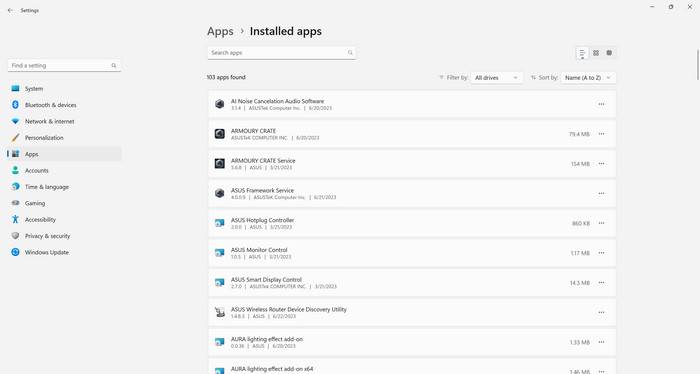
- Windows: Go to the Control Panel, select “Uninstall a program,” locate F.lux in the list of installed programs, and click “Uninstall.”
- macOS: Open the Applications folder, find F.lux, and drag it to the Trash.
- Linux: Use the package manager of your Linux distribution to uninstall F.lux. The specific command may vary depending on your distribution.
- iOS: Tap and hold the F.lux app icon on your home screen until it starts shaking, then tap the “X” button to delete it.
It is worth noting that removing F.lux will revert your screen color temperature to its default settings. If you still want to reduce blue light exposure, you can explore alternative options such as built-in operating system features or other third-party applications.
Conclusion
F.lux by justgetflux is a software application that adjusts the color temperature of your screen based on the time of day. It aims to reduce eye strain and improve sleep quality by reducing blue light emission during the evening and night hours. While F.lux offers potential benefits, such as reduced eye strain and better sleep quality, there may be situations where you might consider removing it, such as color-sensitive work or compatibility issues. If you decide to remove F.lux, you can do so using the appropriate uninstallation method for your device. Ultimately, the decision to keep or remove F.lux depends on your personal preferences and specific needs.

Join the discussion
0 commentsShare your experience or ask a question about this article.
Discussion
Start the conversation
Have a question or something useful to share? Add the first comment.