

Amazon’s dominance as the premier online retailer makes their brand ripe for impersonator scams. Fraudsters are heavily promoting fake Amazon clearance sales on social media and bogus websites to deceive buyers. This guide will unpack how this scam ensnares victims and provide guidance to avoid or address being exploited.
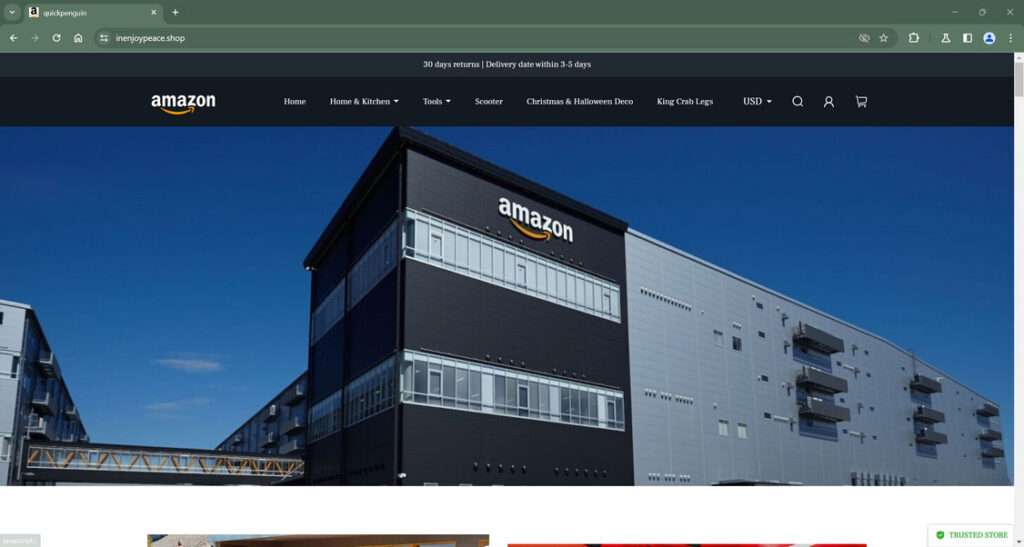
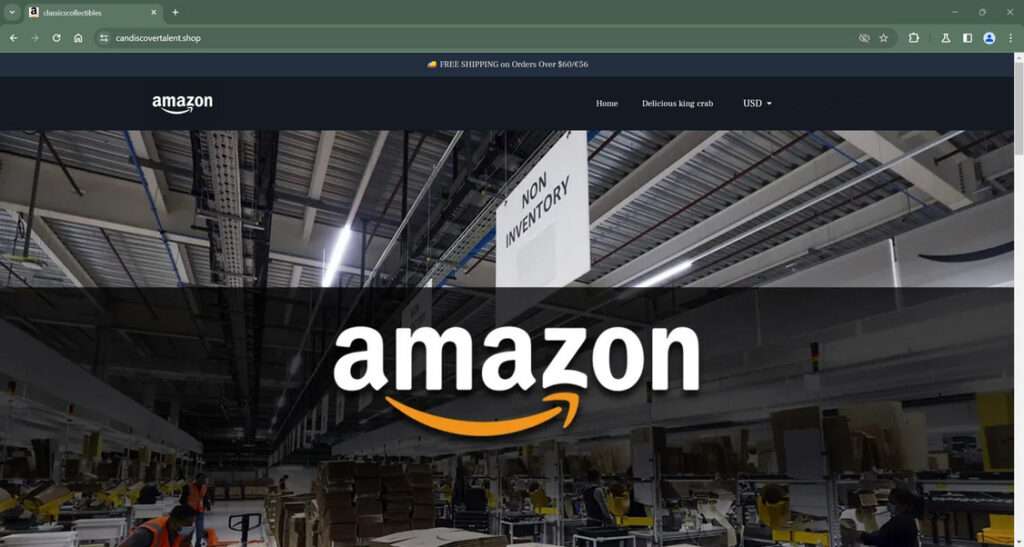
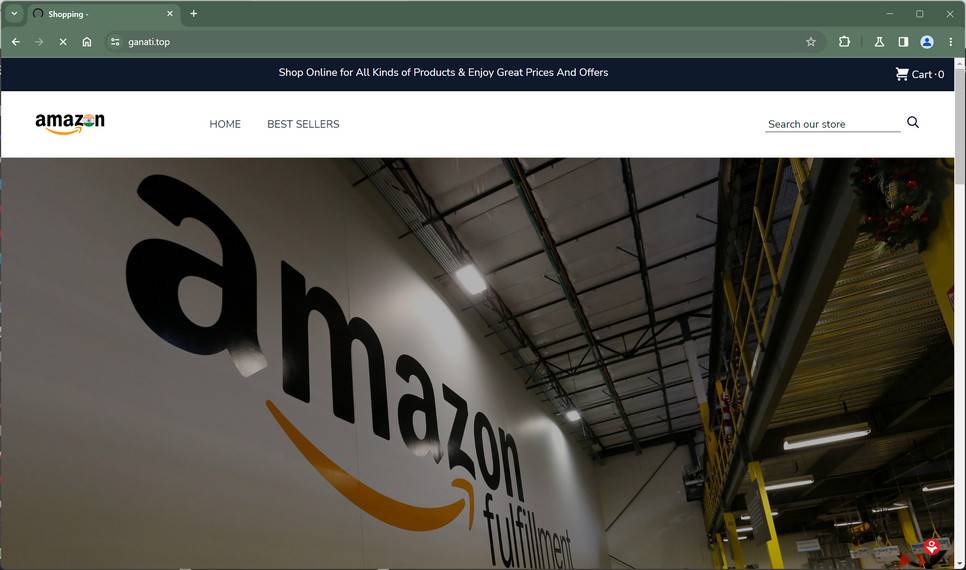
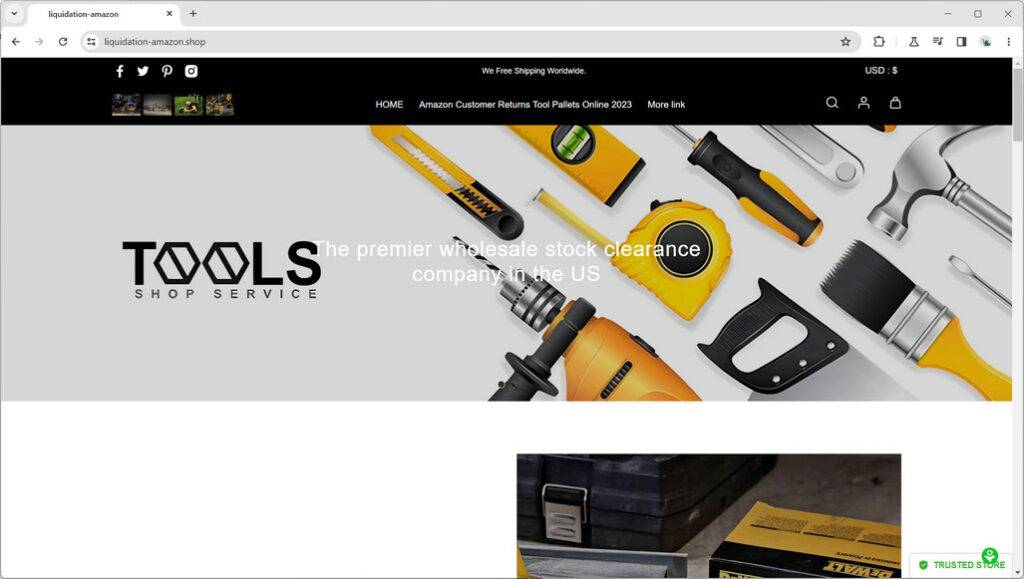
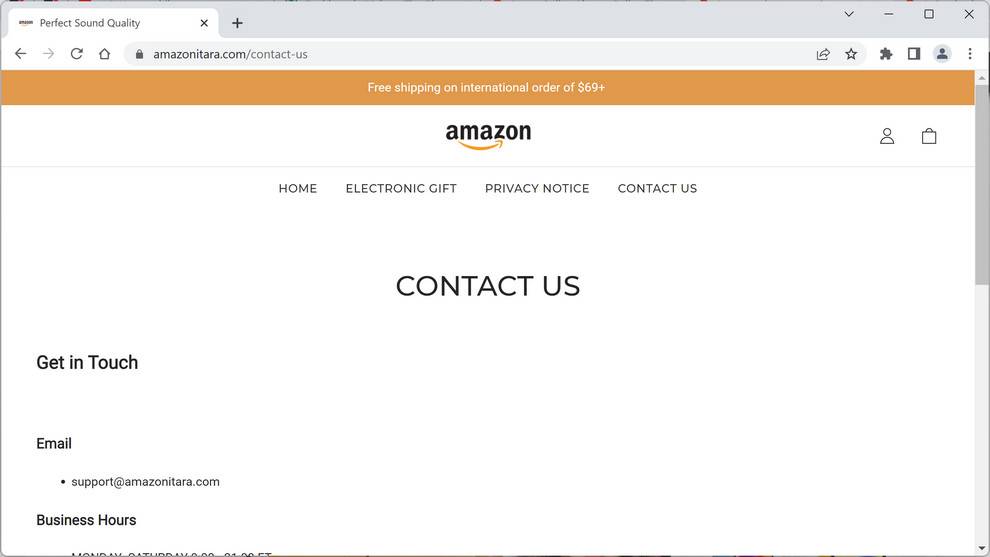
Overview of the Elaborate Amazon Clearance Scam Bilking Shoppers
As the world’s largest online retailer, Amazon offers unmatched convenience for shopping virtually anything imaginable. But the company’s trusted standing also attracts elaborate clearance sale scams impersonating Amazon to deceive buyers.
Sophisticated fake Amazon websites engineered to convincingly replicate authentic Amazon down to the smallest branding details are being promoted through social media ads. They tout unrealistic limited-time markdowns up to 90% off merchandise to entice interest and traffic.
Common Clearance Scam Warning Signs:
- Extreme discounts up to 90% off that seem too good to be true
- Suspicious URLs that differ slightly from Amazon’s real website
- Poor grammar, spelling errors and unprofessional site text
- No working customer service phone number or physical addresses
Once lured onto these fake clearance domains instead of the real Amazon.com site itself, victims who place orders experience predictable letdown in the following ways:
1. No Order Fulfillment Whatsoever
The overwhelmingly most likely outcome is purchased items never end up shipping after payments clear. Despite completing seemingly legitimate checkouts, orders simply vanish without products delivered.
Operator behind these fake sale websites pocket submitted payments but never possess nor intend to ship anything ordered.
2. Low-Quality Fakes and Replicas Delivered
While less common, some unlucky scam victims do end up receiving physical shipments with products. However, the items turn out to be shoddy knockoffs made with inferior materials unlike what was displayed online.
For example, instead of authentic iPhone 13 devices at unbelievable discounts, used Android phones get sent. Or toy replicas get shipped made with hazardous plastics instead of genuine goods.
3. Used, Damaged and Tampered Goods
In rarer cases, victims of these clearance scams might receive the actual products ordered from Amazon’s inventory. But the items arrive showing clear signs of previous use, damage or tampering.
Clothing arrives stained or with defects. Device packaging appears opened then re-taped. Food packages are torn revealing product tinkering.
This further displays the deceptive nature of scam websites promoting clearance blowouts.
In addition to stealing money through undelivered purchases, users’ personal and financial data input during checkout also gets stolen to enable additional fraud like identity theft.
How Users Get Duped By Fake Amazon Clearance Sales
Swindling shoppers with bogus Amazon sales is a considerable undertaking requiring skillfully crafted websites, social media presence and convincing promotions. Here is exactly how unsuspecting victims get lured in:
1. Scammers Make Lookalike Amazon Websites
Sophisticated scam operations based overseas erect elaborately designed websites made to identically mimic Amazon’s real site.
URLs appear legitimate on the surface to trick visitors, with addresses like:
amazonblowoutclearance.store
amazonshoppingtoday.shop
amazononlineretail.website
The sites similarly use perfect copies of Amazon’s logo, fonts, product galleries and the infamous Buy Box. But they subtly differ just enough to control domain names apart from Amazon’s trademarked .com address.
2. Fake Clearance Sale Ads Seeded on Social Media
The crooks next promote their sham Amazon domains using social media ads and posts touting unrealistic markdowns. These commonly appear on Facebook, Instagram and TikTok to target wide nets of users.
The ads display messages like “Store closing clearance!”, “Amazon warehouse shutting down – 90% off everything!” and other similar urgent messaging. Links route through obscure URL shorteners masking the scam site destinations.
When social media users click these compelling ads, they get redirected to the scam stores instead of Amazon’s real website.
3. Shoppers See Outrageous Prices Slashed Over 90%
Upon landing on the fake Amazon domains instead of Amazon.com itself, visitors behold what appears as a blowout clearance sale with extreme 90%+ discounts.
Hot ticket items like phones, game consoles and appliances all show with storied list prices now discounted down to just $5, $10 or $25 dollars – essentially giving merchandise away compared to normal Amazon rates.
Such deep price cuts are shown next to much higher retail reference prices you’d expect to pay, fooling visitors into assuming they found a legitimate limited-time sale.
4. Checkout Forms Steal Financial/Personal Data
During checkout, the fake Amazon sites force users to input trove of sensitive personal and financial data including:
- Full names
- Home addresses
- Phone numbers
- Credit card numbers
- Security codes
- Expiration dates
This information flows directly to crooks instead of Amazon, enabling future fraud like identity theft.
5. Shoppers Get Scammed With No Orders, Fakes or Wrong Items
Soon after checkout, harsh reality sets in as customers learn they were hoodwinked by realizing:
- Purchases never ship after payments process
- Flimsy, poor quality fakes arrive instead of real products
- Used, damaged or clearly tampered goods show up
- Random wrong products are delivered not matching orders
Now scam victims are left empty handed lacking real products while fraudsters possess both the stolen money and sensitive personal data from submitted order forms
How to Spot Counterfeit Amazon Clearance Websites
While scam sites promote fantastical sales, their shoddy designs give away their fakery to watchful shoppers.
Scrutinize Site URLs
Fake domains barely differ from the real Amazon.com:
amazonsaleoutlet.online
amazononlinestore.shop
amazonblowoutdeals.site
PLUG URLs into domain lookup tools to check creation dates. Most are recently made in 2021-onward.
Inspect Logos and Branding
Copyrighted Amazon logos, fonts, and branding get utilized throughout scam pages. But examine details closer:
- Logo proportions may differ slightly
- Font spacing/sizes appear off
- Color codes don’t perfectly match
Sloppy editing exposes trademark theft.
Review Text Content and Grammar
Abundant English errors in product info and policies indicate foreign fraud rings.
“Thankyou for delivery fast from our clearance blowout spectacularly sales event at Amazon!” 🚩Analyze Product Images
While displaying tantalizing clearance items, absurd product pairings reveal deceitful intentions:
- Winter jackets showcased on bikini models
- Mismatching goods like smartwatches and cement bags shown together
- Odd items like lobster bibs discounted 90%
Incoherent clearance assortments expose non-retailer scamming sites.
Spotting fake sites just requires observing these common red flags during online shopping.
How to Spot Amazon Clearance Scam Ads on Social Media
Bogus Amazon clearance promotions commonly get distributed on major platforms like Facebook, Instagram, and TikTok using targeted ads. But familiarizing yourself with patterns these fraudulent ads follow makes them plainly identifiable.
Identifying Amazon Facebook Scam Ads
Facebook’s enormous user base allows clearance sale scam ads to reach millions daily in feeds. Watch for these giveaways:
- Sponsored Labels – Scam posts are marked “Sponsored” above content
- Suspicious Links – URLs use odd shorteners or route elsewhere
- Clickbait Wording – “Going out of business!” or “Just launched!”
- Comments Disabled – Blocked commentary prevents warnings
- Stock Images – Uses generic clearance photos instead of Amazon products
Cross-checking these signs makes spotting Amazon Facebook scams simpler.
Catching Amazon Instagram Scam Ads
Instagram con artists setup fake brand accounts and pay promoting their cons to unsuspecting Instagrammers.
- Follower Counts – High followers yet low engagement is a fake giveaway
- Linktrees Promoted – Urge clicking profile Linktree connections routing offsite
90% OFF CLEARANCE EVENT 🤯
Shop early for the best deals!
👉 Link in bio 👈 - Checkout Urgency – Captions pressure immediate purchases before sales end
Spotting sham Instagram remains easy once aware of usual approaches.
Identifying Amazon TikTok Video Scam Ads
On TikTok, scam ads leverage the viral format reaching immense audiences rapidly. Signals include:
- Brand Impersonations – Accounts named “@amazonmegaclearance” or “@amazonbfdeals30”
- Stock Backgrounds – B-roll of warehouses instead of showing products
- Checkout Captions – Graphics display scam site URLs
- Comment Disabling – Questions get blocked
Despite high circulation, common scam ad patterns make identification of fake Amazon TikTok posts manageable.
Keep watching for these consistent red flags regardless of the social platform. Verify ad legitimacy carefully before clicking.
What To Do If You Get Scammed By a Fake Amazon Clearance Sale
If you unfortunately got deceived by a fake Amazon clearance promotion, take these steps immediately to help recover damages:
Report Fraudulent Charges: Call the credit card provider used on scam sites right away. Request fraudulent transaction reversals for any stolen money. Provide details around fake websites and failure to deliver ordered items.
Initiate Credit Reports Fraud Alert: Since personal data also got stolen, freeze credit reports at Equifax, Experian and Transunion. This blocks scammers from opening unauthorized accounts under your identity.
Monitor Accounts Activity: Watch financial account statements routinely for suspicious charges indicating potential identity theft. If anything seems amiss, immediately notify institutions to contain fraud.
Secure Accounts: Change passwords, enable two-factor authentication and avoid suspicious links to prevent future data loss enabling financial fraud.
Report Fake Websites: Submit details on scam websites encountered to the FBI’s IC3 Complaint Center and FTC’s reporting page to assist fraud fighting.
Warn Others: Share experiences about fake Amazon clearance ripoffs on social media using hashtags like #AmazonScam to prevent more innocent victims.
While being swindled by online shopping scams feels lousy, taking swift action helps restrict damages and prevents tricksters from deceiving additional buyers.
Frequently Asked Questions About Fake Amazon Clearance Sales
Concerned about counterfeit Amazon clearance sales duping online shoppers? This FAQ tackles the top questions about identifying and avoiding this scam.
Are the Amazon 90% off clearance sales on Facebook real?
Unfortunately most are completely fraudulent despite appearing officially affiliated with Amazon. Scam ads route traffic to fake lookalike websites to steal personal and financial data. Always verify URLs match Amazon’s real site before assuming discounted sales are genuine.
What are signs of a fake Amazon clearance website?
Warning signs include non-Amazon URLs, recent website domain registration dates, subtle branding/logo imperfections, unprofessional errors in text content, mismatching product images and no working contact information.
What happens if you order from a fake Amazon clearance site?
Most likely your order disappears entirely after payment and nothing ever ships. In other cases, victims received flimsy knockoffs, tampered open box items or random products unrelated to original orders. Plus all submitted personal data during checkout gets stolen for potential identity fraud.
Can you get your money back if scammed by a fake site?
If you paid with a credit card, immediately file a fraud complaint and request reversal of charges. Unfortunately debit cards provide less fraud protection through banks, making reimbursement less likely.
How can I avoid Amazon clearance sale scams moving forward?
Carefully verify site legitimacy and URLs before providing payment info or checkout. Official Amazon domains must match their real website address precisely. Plus realize unbelievable discounts like 90% off are always fraudulent.
Will my identity get stolen after ordering from fake sites?
Possibly, hence why we strongly advise placing fraud alerts on credit reports, monitoring account activity routinely and securing credentials. Stolen information can enable various forms of identity theft if obtained by fraudsters.
Where should I report counterfeit Amazon websites?
To prevent ongoing victimization, report fake Amazon sites and sellers to the FBI’s IC3 complaint center and FTC’s reporting page. Include all website and order details.
Stay vigilant of unbelievable social media clearance sales involving Amazon. Verifying authenticity remains the best self-defense against elaborate scam tactics.
The Bottom Line – Verify Before Providing Data to Amazon Clearance Claims
As Amazon continues dominating retail, their brand remains an alluring ploy for elaborate clearance sale scams duping deal seekers. But being an informed shopper who double checks legitimacy before handing over data or money remains the ultimate scam protection.
When unbelievable website discounts or social media ads tout Amazon clearances seeming too good to be true – they likely are. Verify URL web addresses match Amazon’s real site precisely while watching for other common scam warnings covered here.
Question what appears as irrational bargain basement sale pricing and limited-time exclusives before assuming authenticity. And never provide personal or financial data to any ecommerce website without thoroughly confirming legitimacy first.
Staying vigilant for common online shopping red flags makes avoiding clearance sale trickery much easier – especially with renowned brands like Amazon that scammers target aggressively. Always think twice when viral posts push deals appearing suspiciously improbable.








