

Scams have become increasingly prevalent in the digital age, with scammers constantly finding new ways to exploit unsuspecting individuals. One such scam that has gained significant attention is the Nike Giveaway Facebook Scam. This deceptive scheme preys on the desire for freebies and discounts, targeting users on the popular social media platform, Facebook.
What is the Nike Giveaway Facebook Scam?
The Nike Giveaway Facebook Scam is a fraudulent scheme that masquerades as an official Nike promotion, promising users the chance to win free Nike products or substantial discounts. Scammers create fake Facebook pages or posts that mimic the appearance of legitimate Nike accounts, complete with the Nike logo and branding. These posts often feature enticing images of Nike products and claim that users can participate in the giveaway by following a set of instructions.
How Does the Scam Work?
The Nike Giveaway Facebook Scam operates by tricking users into engaging with the fraudulent posts or pages. The scammers employ various tactics to make their scheme appear legitimate and enticing:
- Impersonating official Nike accounts: Scammers create Facebook pages or posts that closely resemble the official Nike accounts, using similar logos, branding, and content. This makes it difficult for users to distinguish between the real and fake accounts.
- Creating a sense of urgency: The scammers often claim that the giveaway is time-limited or that there are only a limited number of spots available. This creates a sense of urgency and prompts users to act quickly without thoroughly evaluating the legitimacy of the offer.
- Requiring engagement: To participate in the giveaway, users are typically asked to like, share, or comment on the post. This engagement helps the scammers reach a wider audience and increases the chances of their scheme going viral.
- Collecting personal information: In some cases, the scammers may redirect users to external websites or surveys that request personal information, such as email addresses, phone numbers, or even credit card details. This information can then be used for identity theft or sold to other malicious actors.
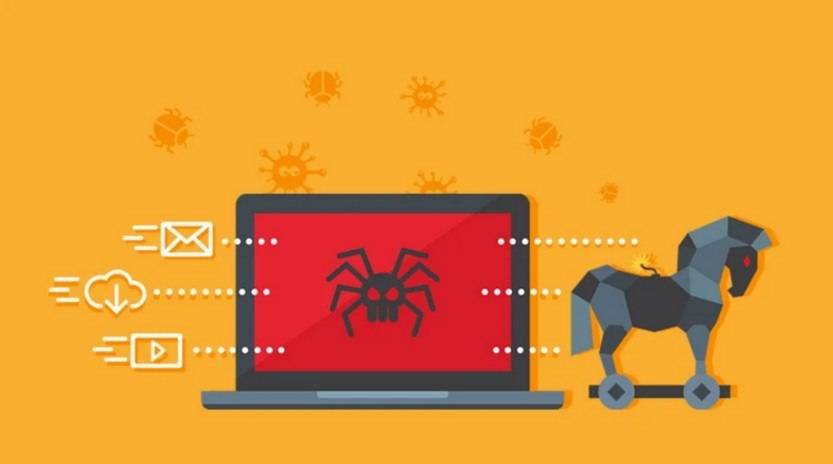
- Spreading malware: Clicking on links or downloading files associated with the scam can lead to the installation of malware on the user’s device. This malware can compromise the user’s privacy, steal sensitive information, or even take control of the device.
What to Do If You Have Fallen Victim?
If you have fallen victim to the Nike Giveaway Facebook Scam, it is crucial to take immediate action to protect yourself and minimize the potential damage:
- Report the scam: Report the fraudulent Facebook page or post to Facebook by clicking on the three dots in the top-right corner of the post and selecting “Report post” or “Report page.” This helps Facebook take appropriate action against the scammers and prevent others from falling victim.
- Change your passwords: If you have provided any personal information or clicked on suspicious links, change your passwords immediately. This includes your Facebook password, as well as passwords for any other accounts that may have been compromised.
- Scan your device for malware: Run a thorough scan of your device using reliable antivirus software, such as Malwarebytes Free. This will help detect and remove any malware that may have been installed.
- Monitor your accounts: Keep a close eye on your bank accounts, credit cards, and other online accounts for any suspicious activity. If you notice any unauthorized transactions or changes, contact your financial institution immediately.
- Educate yourself: Learn from the experience and educate yourself about common online scams and how to identify them. This knowledge will help you stay vigilant and protect yourself from future scams.
Technical Details of the Scam
The Nike Giveaway Facebook Scam utilizes various techniques to deceive users and carry out its fraudulent activities:
- Phishing: The scammers often employ phishing techniques to trick users into revealing their personal information. This can involve redirecting users to fake websites that closely resemble legitimate Nike pages or using deceptive forms to collect sensitive data.
- Social engineering: By creating a sense of urgency and leveraging the trust associated with the Nike brand, scammers manipulate users into taking actions that they would not typically do under normal circumstances.
- Malware distribution: Clicking on links or downloading files associated with the scam can lead to the installation of malware on the user’s device. This malware can range from keyloggers that capture sensitive information to ransomware that encrypts files and demands a ransom.
Statistics on Facebook Scams
Facebook scams, including the Nike Giveaway Facebook Scam, have become a significant concern for both users and the platform itself. Here are some eye-opening statistics:
- According to a report by the Better Business Bureau, Facebook scams accounted for over $117 million in reported losses in 2020.
- In a survey conducted by NortonLifeLock, 1 in 10 respondents reported falling victim to a Facebook scam.
- Facebook reported removing 1.3 billion fake accounts between October and December 2020, highlighting the scale of fraudulent activities on the platform.
Summary
The [FAKE] Nike Giveaway Facebook Scam is a deceptive scheme that preys on users’ desire for freebies and discounts. By impersonating official Nike accounts and creating a sense of urgency, scammers trick users into engaging with their fraudulent posts or pages. This can lead to the collection of personal information, the spread of malware, and financial losses. If you have fallen victim to this scam, it is crucial to report it, change your passwords, scan your device for malware, and monitor your accounts for any suspicious activity. By staying informed and vigilant, you can protect yourself from falling victim to similar scams in the future.

Join the discussion
0 commentsShare your experience or ask a question about this article.
Discussion
Start the conversation
Have a question or something useful to share? Add the first comment.