

OOFOS’ revolutionary OOFOAM technology and podiatric-inspired designs have made the brand a leader in recovery footwear. But their success has also attracted scammers seeking to profit off the company’s reputation through elaborate fake shopping websites. Fraudulent OOFOS retailers scam customers by taking orders and payment information without providing legitimate products.
This article will uncover how these sophisticated OOFOS scam operations work, tactics to identify them, and steps to take if you’re unfortunate enough to be victimized. With awareness and vigilance, you can avoid being ripped off and buy real OOFOS while steering clear of criminal counterfeiters.
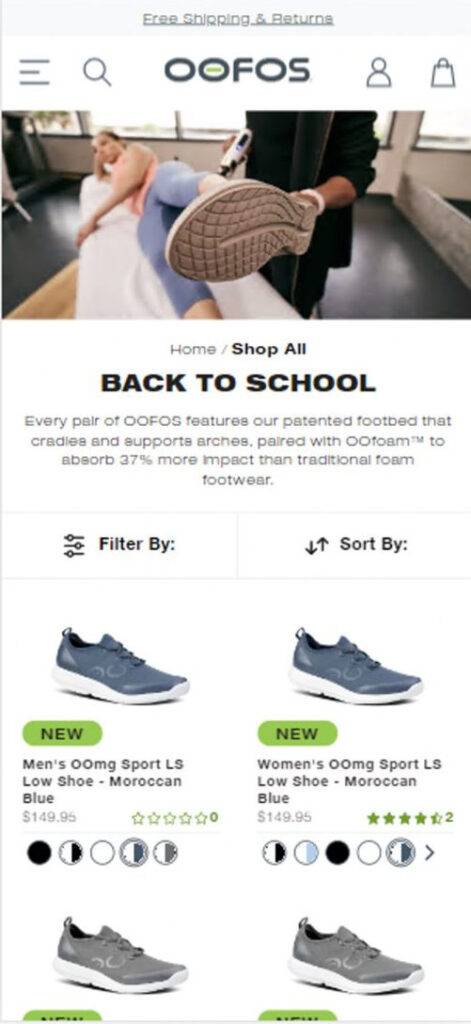
Overview of Fake OOFOS Shopping Websites
Increasingly advanced scam websites impersonating popular brands like OOFOS are proliferating online. Using stolen images and content, they are designed to look identical to the real company’s site at first glance. Their goal is to entice bargain seekers with huge sitewide discounts of 50-90% off or more compared to OOFOS’ normal retail pricing.
If a customer places an order through one of these fake sites, several disappointing outcomes may occur:
- No order fulfillment – Nothing ships after payment is processed; the order disappears.
- Low-quality knockoffs – Inferior, defective counterfeits using cheap materials are sent instead of authentic products.
- Used, damaged, or tampered items – Shoppers receive shoes that are clearly used or otherwise compromised.
- Entirely wrong products – Items unrelated to what was ordered show up, demonstrating no order accuracy.
On top of scamming shoppers with fake or random products, these fraudulent stores also steal customers’ personal and payment details during checkout for credit card fraud and identity theft down the line.
How OOFOS Scam Websites Operate
These sophisticated fake shopping operations invest heavily in appearing trustworthy and real, making victims unlikely to question their legitimacy. Here are some of the deceptive strategies they employ:
High-Quality Website Designs
The scam sites are made to function seamlessly like a genuine online store using convincing templates, photos stolen from OOFOS’ authorized retailers, and slickly designed pages. This helps hide the fraud from unsuspecting visitors.
Third-Party Payment Processors
At checkout, instead of securely handling payments directly, the sites redirect shoppers to shady third-party processors not associated with OOFOS. This adds a layer obscuring the criminal operation.
Anonymity
No legitimate contact information, real company names, or verifiable addresses are provided. Owners hide their identities to avoid accountability for scamming customers.
Fake Legal Pages
Privacy policies, terms of service, and other legal pages appear real but are often plagiarized from other sites. No actual owner information is included either.
Social Media Promotion
The scam stores rely heavily on Facebook and Instagram ads to get their website links in front of potential victims. This falsely builds trust in their legitimacy through social platforms.
How to Identify Fake OOFOS Sites
Once aware of their deceptive tactics, these fraudulent OOFOS retailers can be discerned with a trained eye by watching for these telltale signs:
- Unreasonably low prices – Genuine OOFOS shoes sell for fixed retail prices set by the company. Discounts over 30% are extremely rare. Prices 70% off or more are a scam giveaway.
- No phone, address or live support – At most an email address is provided. Without live contact methods, issues can’t be resolved.
- Undefined sales policies and protections – No refund terms, exchanges, or other buyer safety net outlined for defective items or issues.
- Poor writing quality – Scam sites contain numerous grammar and spelling errors throughout pages and policies.
- Non-working social media links – Any Facebook or Instagram links typically lead nowhere or to deleted accounts without activity.
- Shady payment options – Checkout may involve redirects to unknown third-party processors instead of secure acceptance of major cards.
- Hidden business information – Performing a WhoIs search reveals anonymized domain ownership details, unlike transparent brands with public business registrations.
When a retailer raises multiple suspicions, trust your instincts and avoid handing over your money or personal information to their website. Only purchase directly through OOFOS.com or authorized retailers like Zappos and Nordstrom confirmed as official partners on the company’s website.
What To Do If You’re Scammed by a Fake OOFOS Website
If you placed an order through a fraudulent OOFOS site, take the following steps immediately:
First, contact your credit card issuer to report unauthorized charges and request a chargeback. Doing so quickly can help recover lost funds in some cases. Freeze your card if needed to prevent additional fraud.
Email OOFOS directly at info@oofos.com to make them aware of the scam site impersonating their brand. Reporting fakes helps get them shut down faster.
File a complaint with organizations like your state or country’s consumer protection agency and the Better Business Bureau. These official grievances build cases against scammers.
Check haveibeenpwned.com to see if your email was compromised in a breach. Criminals buy stolen account information on the dark web to aid in identity fraud schemes.
Scan your computer for malware that may have been installed during checkout on the scam site to steal financial information. Use security tools like antivirus software as a precaution.
Avoid paying with methods other than credit cards which offer more fraud protection. When possible, use virtual card numbers that can be frozen after single uses. Moving forward, vet online retailers thoroughly before making purchases to avoid scams.
FAQ About Fake OOFOS Shopping Websites
How can I confirm an OOFOS retailer is legitimate?
Double check sites through links on OOFOS’ official website. Warning signs like prices too low to be real, no contact info, and sketchy payment options indicate scams.
Why are these scam sites allowed to keep operating?
Scammers conceal identities through obscure registrations and shell companies. As one site is blacklisted, they quickly launch new domains, making intervention difficult.
Is it illegal to buy counterfeits from these fake sites?
Technically yes, though individuals are rarely prosecuted. You would be committing trademark infringement and financially supporting criminal organizations. It’s best to totally avoid these scam retailers.
Can I get my money back if I was scammed?
Contact your bank or credit card issuer immediately. Chargebacks may be possible for fraudulent transactions, but less likely with other payment methods. Act quickly to improve your odds.
What can scammers do with my data from the fake site?
Scammers can sell your financial and personal information on the dark web to be used in identity theft and other fraud. Enable credit monitoring and enhanced account security as precautions.
What are some tips to shop online safely?
Always verify sites are legitimate before providing payment information. Check for verification seals, look up corporate registrations, and avoid social media or email links to stores you don’t already know. Stick to shopping directly through brand sites and authorized major retailers.
Conclusion
OOFOS’ popularity in the recovery footwear space has attracted sophisticated criminal counterfeiting operations looking to scam online shoppers through convincing fake websites. However, a trained eye can discern these fraudulent retailers by recognizing red flags like unrealistic pricing, lack of contact information, sneaky payment processes, and questionable policies. Those tricked into buying through scam sites, unfortunately, have very limited options for recourse beyond quickly notifying banks and relevant authorities. Avoid falling victim by thoroughly vetting every online store before making purchases, sticking to OOFOS’ official website, and confirming authorized retailers. Extra diligence is essential to protect yourself from elaborate criminal scam websites.

Join the discussion
0 commentsShare your experience or ask a question about this article.
Discussion
Start the conversation
Have a question or something useful to share? Add the first comment.