

Flashplayer.exe is a file associated with Adobe Flash Player, a multimedia software platform used for creating and viewing interactive content on the web. It is a legitimate executable file that is responsible for running the Flash Player plugin in your web browser. However, due to security concerns and the declining popularity of Flash, many users are questioning whether they should remove Flashplayer.exe from their systems. In this article, we will explore what Flashplayer.exe is, its purpose, potential risks, and whether or not you should remove it.
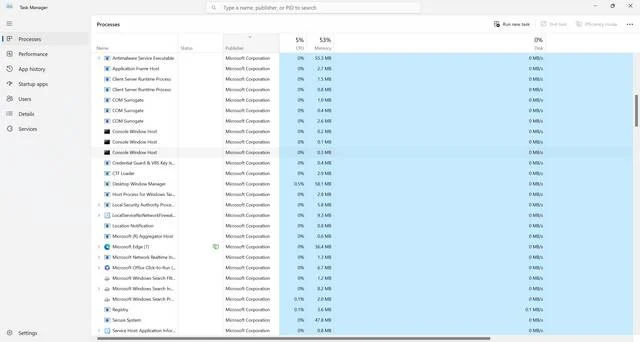
What is Flashplayer.exe?
Flashplayer.exe is an executable file that is part of Adobe Flash Player, a software platform developed by Adobe Systems. Adobe Flash Player is used to play multimedia content, such as videos, animations, and interactive applications, on websites. Flashplayer.exe is responsible for running the Flash Player plugin within your web browser, allowing you to view and interact with Flash-based content.
Flash Player was once widely used on the internet, but its popularity has declined in recent years due to the emergence of more secure and efficient technologies, such as HTML5. As a result, many web browsers have stopped supporting Flash Player, and Adobe has ended support for Flash Player in 2020.
Potential Risks of Flashplayer.exe
While Flashplayer.exe itself is not malicious, it can be exploited by cybercriminals to deliver malware or execute malicious code on your system. Over the years, numerous security vulnerabilities have been discovered in Adobe Flash Player, making it a popular target for hackers.
Exploiting these vulnerabilities, attackers can create malicious Flash content or inject malicious code into legitimate Flash files. When you visit a website that contains such malicious content, your browser may execute the Flashplayer.exe file, leading to the installation of malware on your system without your knowledge.
Furthermore, outdated versions of Flash Player are more susceptible to attacks as they may have unpatched security vulnerabilities. Cybercriminals often target users who have not updated their Flash Player, taking advantage of known vulnerabilities to compromise their systems.
Should I Remove Flashplayer.exe?
Considering the security risks associated with Flash Player and its declining popularity, it is generally recommended to remove Flashplayer.exe from your system. Here are a few reasons why:
- Security vulnerabilities: As mentioned earlier, Flash Player has a long history of security vulnerabilities. By removing Flashplayer.exe, you eliminate the risk of these vulnerabilities being exploited by attackers.
- End of support: Adobe has announced that it will end support for Flash Player by the end of 2020. This means that no further security updates or bug fixes will be released, leaving any remaining vulnerabilities unpatched.
- Performance and compatibility: Flash Player is known to consume a significant amount of system resources, leading to slower performance and reduced battery life on laptops and mobile devices. Additionally, many modern web browsers no longer support Flash Player, making it incompatible with a growing number of websites.
However, before removing Flashplayer.exe, it is important to ensure that you no longer rely on Flash-based content. Many websites have already migrated to alternative technologies, such as HTML5, which do not require Flash Player. You can check if your browser supports Flash by visiting the Adobe Flash Player website and using their “Check Now” tool.
If you determine that you no longer need Flash Player, you can uninstall it from your system. To do this, follow these steps:
- Download and install Malwarebytes Free to scan your system for any potential malware or unwanted programs.
- Once the scan is complete, open the Control Panel on your Windows computer.
- Click on “Programs” or “Programs and Features,” depending on your version of Windows.
- Locate “Adobe Flash Player” in the list of installed programs.
- Right-click on “Adobe Flash Player” and select “Uninstall” or “Remove.”
- Follow the on-screen instructions to complete the uninstallation process.
After removing Flash Player, it is recommended to keep your system and web browsers up to date to ensure you have the latest security patches and to avoid potential vulnerabilities.
Conclusion
Flashplayer.exe is an executable file associated with Adobe Flash Player, a multimedia software platform used for playing interactive content on the web. While Flashplayer.exe itself is not malicious, it can be exploited by cybercriminals to deliver malware or execute malicious code on your system. Considering the security risks, the end of support for Flash Player, and its declining popularity, it is generally recommended to remove Flashplayer.exe from your system.
Before removing Flashplayer.exe, make sure you no longer rely on Flash-based content and that your web browser supports alternative technologies. If you decide to uninstall Flash Player, use a reliable antivirus program like Malwarebytes Free to scan your system for any potential malware or unwanted programs. Keeping your system and web browsers up to date is also crucial for maintaining security and avoiding vulnerabilities.

Join the discussion
0 commentsShare your experience or ask a question about this article.
Discussion
Start the conversation
Have a question or something useful to share? Add the first comment.