

Fonts.exe is a file that you may come across on your Windows computer, and you might be wondering what it is and whether you should remove it. In this article, we will delve into the details of Fonts.exe, its purpose, potential risks, and whether or not it is safe to remove. We will also provide you with some valuable insights and recommendations to help you make an informed decision.
What is Fonts.exe?
Fonts.exe is a legitimate executable file that is related to the Windows operating system. It is responsible for managing and displaying fonts on your computer. Fonts are essential for displaying text in various applications, such as word processors, web browsers, and graphic design software.
When you install new fonts on your computer, Fonts.exe helps register and organize them so that they can be used by different programs. It ensures that the fonts are available for selection and display whenever needed.
Is Fonts.exe Safe?
Fonts.exe is a system file that is typically located in the System32 folder. As a core component of the operating system, it is generally safe and necessary for the proper functioning of your computer. Removing or tampering with Fonts.exe can lead to issues with font rendering and display in various applications.
However, it is important to note that malware or viruses can sometimes disguise themselves as legitimate system files to avoid detection. Therefore, it is crucial to verify the authenticity of Fonts.exe on your computer to ensure that it is not a malicious file.
Verifying Fonts.exe
To verify the legitimacy of Fonts.exe on your computer, you can follow these steps:
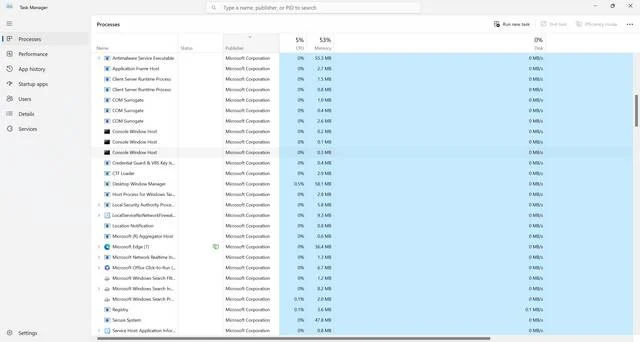
- Open the Windows Task Manager by pressing Ctrl + Shift + Esc or right-clicking on the taskbar and selecting Task Manager.
- Click on the Processes tab.
- Locate and right-click on Fonts.exe.
- Select Open File Location.
If the file location is C:\Windows\System32\Fonts.exe, it is likely a legitimate system file. However, if the file is located in a different folder or has a different name, it may be a potential threat.
Should I Remove Fonts.exe?
As mentioned earlier, Fonts.exe is an essential component of the Windows operating system, and removing it can cause issues with font rendering and display. Therefore, it is generally not recommended to remove Fonts.exe unless you have strong evidence that it is a malicious file.
If you suspect that Fonts.exe on your computer is malicious, it is crucial to take appropriate action to protect your system. One recommended course of action is to scan your computer for viruses and malware using reliable security software.
Malwarebytes Free is a reputable antivirus program that can help you detect and remove malware from your computer. It offers a comprehensive scan that can identify potential threats, including disguised malware files.
Scanning for Malware with Malwarebytes
To scan your computer for malware using Malwarebytes, follow these steps:
- Download and install Malwarebytes Free from the official website.
- Launch Malwarebytes and click on the Scan tab.
- Click on the Start Scan button to initiate a scan of your system.
- Wait for the scan to complete and review the results.
- If any threats are detected, follow the prompts to remove them.
By scanning your computer with Malwarebytes, you can ensure that Fonts.exe and other potentially malicious files are identified and dealt with accordingly.
Conclusion
Fonts.exe is a legitimate system file that is responsible for managing and displaying fonts on your Windows computer. It is generally safe and necessary for the proper functioning of your system. However, it is important to verify the authenticity of Fonts.exe to ensure that it is not a disguised malware file.
If you suspect that Fonts.exe is malicious, it is recommended to scan your computer for viruses and malware using reliable security software like Malwarebytes Free. Removing Fonts.exe without proper evidence of it being a threat can lead to issues with font rendering and display in various applications.
Remember to prioritize the security of your computer and take appropriate measures to protect it from potential threats. Regularly updating your antivirus software and practicing safe browsing habits can go a long way in maintaining a secure computing environment.

Join the discussion
0 commentsShare your experience or ask a question about this article.
Discussion
Start the conversation
Have a question or something useful to share? Add the first comment.