

When it comes to PDF readers, Adobe Acrobat Reader is often the first name that comes to mind. However, there are other alternatives available, and one such option is Foxit Reader. In this article, we will explore what Foxit Reader is, its features, and whether or not you should consider removing it from your system.
What is Foxit Reader?
Foxit Reader is a free PDF reader developed by Foxit Software. It is available for Windows, macOS, and Linux operating systems. The software is designed to provide a lightweight and fast PDF reading experience, offering a range of features to enhance productivity.
One of the key advantages of Foxit Reader is its small file size. Unlike Adobe Acrobat Reader, which can be resource-intensive and slow to load, Foxit Reader is known for its quick startup time and efficient performance. This makes it a popular choice for users who value speed and efficiency.
Features of Foxit Reader
Foxit Reader offers a wide range of features that cater to the needs of both casual users and professionals. Some of the notable features include:
- Annotation Tools: Foxit Reader allows users to add comments, highlights, and other annotations to PDF documents. This feature is particularly useful for collaboration and reviewing documents.
- Form Filling: The software enables users to fill out interactive PDF forms, making it convenient for tasks such as filling out application forms or surveys.
- Text-to-Speech: Foxit Reader includes a text-to-speech feature that can read out loud the contents of a PDF document. This can be helpful for users with visual impairments or those who prefer to listen to the text.
- ConnectedPDF: Foxit Reader supports ConnectedPDF, a technology that allows users to collaborate on documents in real-time. It also provides features such as document tracking and version control.
- Security Features: The software offers various security features, including password protection, digital signatures, and redaction tools. These features help ensure the confidentiality and integrity of sensitive documents.
Should I Remove Foxit Reader?
Whether or not you should remove Foxit Reader depends on your specific needs and preferences. Here are a few factors to consider:
1. Performance:
If you value speed and efficiency, Foxit Reader’s lightweight nature makes it an attractive option. It loads quickly and consumes fewer system resources compared to other PDF readers. However, if you have a high-performance system and don’t mind the additional resource usage, you may prefer other feature-rich PDF readers like Adobe Acrobat Reader.
2. Features:
If you require advanced features such as form filling, annotation tools, or ConnectedPDF, Foxit Reader offers a comprehensive set of functionalities. Evaluate your specific needs and determine if Foxit Reader meets them adequately. If you find that you rarely use these features or prefer a simpler PDF reading experience, you may consider removing it.
3. Security:
Foxit Reader provides various security features to protect your PDF documents. If you frequently work with sensitive or confidential information, these features can be crucial. However, if security is not a significant concern for you, and you prefer a more streamlined PDF reader, removing Foxit Reader might be an option.
4. User Interface:
The user interface of Foxit Reader is clean and intuitive, making it easy to navigate and use. If you appreciate a simple and straightforward interface, Foxit Reader’s design might be appealing to you. On the other hand, if you prefer a more visually appealing or customizable interface, you may want to explore other PDF readers.
Uninstalling Foxit Reader
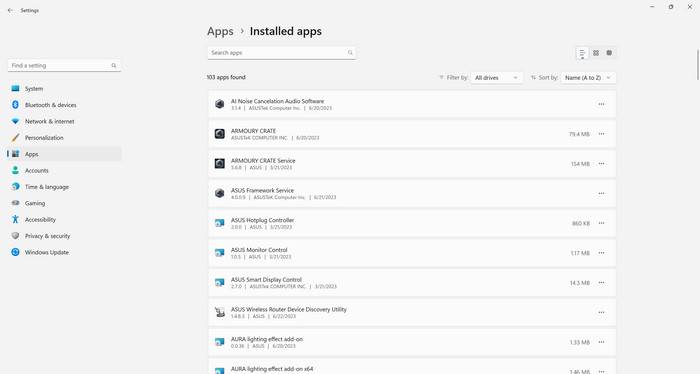
If you have decided to remove Foxit Reader from your system, you can do so using the standard uninstallation process. However, it is recommended to use a reliable uninstallation tool like Revo Uninstaller Free to ensure a thorough removal.
Revo Uninstaller Free is a powerful tool that not only uninstalls programs but also scans for leftover files and registry entries, ensuring a clean uninstallation. Here’s how you can use Revo Uninstaller Free to remove Foxit Reader:
- Download and install Revo Uninstaller Free from the official website.
- Launch Revo Uninstaller Free and select Foxit Reader from the list of installed programs.
- Click on the “Uninstall” button and follow the on-screen instructions to initiate the uninstallation process.
- After the standard uninstallation is complete, Revo Uninstaller Free will scan for leftover files and registry entries. Select the remaining items related to Foxit Reader and click on the “Delete” button to remove them.
- Once the cleanup process is finished, Foxit Reader will be completely removed from your system.
Conclusion
Foxit Reader is a lightweight and feature-rich PDF reader that offers a range of functionalities to enhance your PDF reading experience. Whether or not you should remove it depends on your specific needs and preferences. Consider factors such as performance, features, security, and user interface to make an informed decision.
If you decide to uninstall Foxit Reader, using a reliable uninstallation tool like Revo Uninstaller Free can ensure a thorough removal. Evaluate your requirements and choose the PDF reader that best suits your needs for a seamless and productive PDF reading experience.

Join the discussion
0 commentsShare your experience or ask a question about this article.
Discussion
Start the conversation
Have a question or something useful to share? Add the first comment.