

Scams have become increasingly prevalent in the digital age, with fraudsters constantly finding new ways to deceive unsuspecting individuals. One such scam that has gained traction in recent times is the ‘Free 24 Pack of Coors Light Beer’ Facebook giveaway scam. This article aims to shed light on this scam, providing a detailed analysis of what it is, how it works, what to do if you have fallen victim, and the technical details behind it.
What is the ‘Free 24 Pack of Coors Light Beer’ Facebook Giveaway Scam?
The ‘Free 24 Pack of Coors Light Beer’ Facebook giveaway scam is a fraudulent scheme that targets Facebook users by promising them a free 24 pack of Coors Light beer. The scam typically involves a post or advertisement on Facebook claiming that a well-known beer brand is giving away free beer as part of a promotion or celebration.
These posts often use official-looking logos and graphics to make them appear legitimate. They may also include enticing language, such as “limited time offer” or “exclusive deal,” to create a sense of urgency and encourage users to click on the link provided.
How Does the Scam Work?
Once a user clicks on the link in the post or advertisement, they are directed to a website that appears to be affiliated with the beer brand. The website typically asks users to provide personal information, such as their name, address, and email, in order to claim their free beer.
However, this is where the scam comes into play. The scammers behind the scheme use the information provided by users to carry out identity theft or other fraudulent activities. They may sell the information on the dark web or use it to target individuals with phishing emails or other scams.
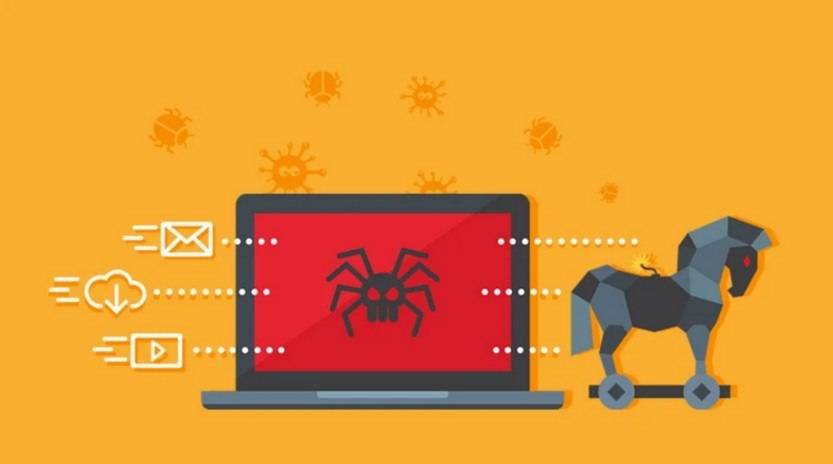
In some cases, users may also be asked to complete surveys or download malicious software in order to claim their free beer. These surveys and downloads are often designed to collect additional personal information or infect the user’s device with malware.
What to Do If You Have Fallen Victim?
If you have fallen victim to the ‘Free 24 Pack of Coors Light Beer’ Facebook giveaway scam, it is important to take immediate action to protect yourself and minimize the potential damage.
1. Change Your Passwords
The first step is to change your passwords for all your online accounts, especially if you used the same password for multiple platforms. This will help prevent the scammers from accessing your other accounts and further compromising your personal information.
2. Monitor Your Accounts
Keep a close eye on your bank accounts, credit cards, and other financial accounts for any suspicious activity. If you notice any unauthorized transactions, contact your bank or credit card company immediately to report the fraud.
3. Report the Scam
Report the scam to the appropriate authorities, such as your local law enforcement agency and the Federal Trade Commission (FTC). Providing them with as much information as possible can help in their efforts to track down and apprehend the scammers.
4. Run a Scan with Malwarebytes
It is highly recommended to run a scan with a reputable antivirus or anti-malware software to ensure that your device is not infected with any malware or spyware. Malwarebytes Free is a reliable option that can help detect and remove any malicious software from your system. You can download it from here.
Technical Details of the Scam
The ‘Free 24 Pack of Coors Light Beer’ Facebook giveaway scam utilizes various techniques to deceive users and collect their personal information. Here are some technical details behind the scam:
1. Phishing Websites
The scammers create fake websites that closely resemble the official website of the beer brand. These websites are designed to trick users into providing their personal information, which is then used for fraudulent purposes.
2. Social Engineering
The scammers use social engineering techniques to manipulate users into believing that the offer is legitimate. They create a sense of urgency and exploit people’s desire for freebies to encourage them to click on the link and provide their information.
3. Malware Distribution
In some cases, the scammers may distribute malware through the scam. This can be in the form of malicious downloads or links that, when clicked, infect the user’s device with malware. This allows the scammers to gain unauthorized access to the user’s device and collect sensitive information.
Statistics on Facebook Scams
Facebook scams, including the ‘Free 24 Pack of Coors Light Beer’ giveaway scam, have become a widespread issue. Here are some statistics that highlight the prevalence of scams on the platform:
- According to a report by the Better Business Bureau, Facebook scams accounted for over $117 million in reported losses in 2020.
- A study conducted by the University of California, Berkeley found that Facebook users are more likely to fall for scams compared to users of other social media platforms.
- In a survey conducted by NortonLifeLock, 1 in 10 respondents reported falling victim to a Facebook scam.
Summary
The ‘Free 24 Pack of Coors Light Beer’ Facebook giveaway scam is a deceptive scheme that preys on users’ desire for freebies. By luring users with the promise of free beer, scammers collect personal information or distribute malware for their own malicious purposes. If you have fallen victim to this scam, it is crucial to take immediate action by changing passwords, monitoring accounts, reporting the scam, and running a scan with reliable antivirus software like Malwarebytes Free. Stay vigilant and be cautious of offers that seem too good to be true to protect yourself from falling victim to such scams.

Join the discussion
0 commentsShare your experience or ask a question about this article.
Discussion
Start the conversation
Have a question or something useful to share? Add the first comment.