

Scams have become an unfortunate reality in the digital age, with fraudsters constantly devising new ways to deceive unsuspecting individuals. One such scam that has gained traction in recent times is the ‘Free $75 Off Publix Gift Card’ Facebook scam. This deceptive scheme preys on the desire for freebies and discounts, luring users into providing their personal information or downloading malicious software. In this article, we will delve into the details of this scam, how it works, what to do if you have fallen victim, and provide valuable insights to help you stay safe online.
What is the ‘Free $75 Off Publix Gift Card’ Facebook Scam?
The ‘Free $75 Off Publix Gift Card’ Facebook scam is a fraudulent scheme that targets users on the popular social media platform, Facebook. It typically appears as a post or advertisement claiming to offer a free $75 discount on Publix gift cards. The scammers use enticing language and eye-catching visuals to grab the attention of users, making it difficult to resist the offer.
However, the reality is that there is no legitimate promotion or giveaway associated with this scam. The scammers aim to trick users into providing their personal information, such as email addresses, phone numbers, or even credit card details. In some cases, clicking on the link or downloading the associated software can lead to malware infections on the victim’s device.
How Does the Scam Work?
The ‘Free $75 Off Publix Gift Card’ Facebook scam operates through a series of deceptive tactics designed to exploit the trust and curiosity of users. Here is a step-by-step breakdown of how the scam typically unfolds:
- The scammer creates a post or advertisement on Facebook, promising a free $75 discount on Publix gift cards.
- The post or advertisement includes a link that users are instructed to click on to claim the offer.
- Upon clicking the link, users are redirected to a website that appears to be affiliated with Publix or a reputable third-party company.
- Users are then prompted to provide their personal information, such as their name, email address, and phone number, to claim the gift card.
- Some variations of the scam may even ask for credit card details under the guise of verifying the user’s identity.
- After submitting their information, users may be redirected to another page that claims the gift card will be sent via email or mail.
- In reality, the scammers now have access to the user’s personal information, which they can use for identity theft or sell on the dark web.
What to Do If You Have Fallen Victim?
If you have fallen victim to the ‘Free $75 Off Publix Gift Card’ Facebook scam, it is crucial to take immediate action to protect yourself and minimize the potential damage. Here are the steps you should follow:
- Change your passwords: Start by changing the passwords for all your online accounts, including social media, email, and banking.
- Monitor your accounts: Keep a close eye on your financial accounts and credit reports for any suspicious activity. Report any unauthorized transactions to your bank or credit card company immediately.
- Run a scan with Malwarebytes: Scammers often use these scams as a way to distribute malware. To ensure your device is free from any malicious software, run a scan with Malwarebytes Free or any reputable antivirus software.
- Report the scam: Report the scam to Facebook by clicking on the three dots in the top-right corner of the post or advertisement and selecting “Report ad” or “Report post.” This will help prevent others from falling victim to the same scam.
- Be cautious in the future: Learn from the experience and be more vigilant when encountering similar offers or promotions. Remember, if something seems too good to be true, it probably is.
Technical Details of the Scam
Understanding the technical aspects of the ‘Free $75 Off Publix Gift Card’ Facebook scam can provide valuable insights into the methods employed by scammers. Here are some key technical details:
- Phishing: The scam relies on phishing techniques to trick users into providing their personal information. By creating a website that closely resembles the legitimate Publix or third-party company website, scammers aim to deceive users into thinking they are interacting with a trusted source.
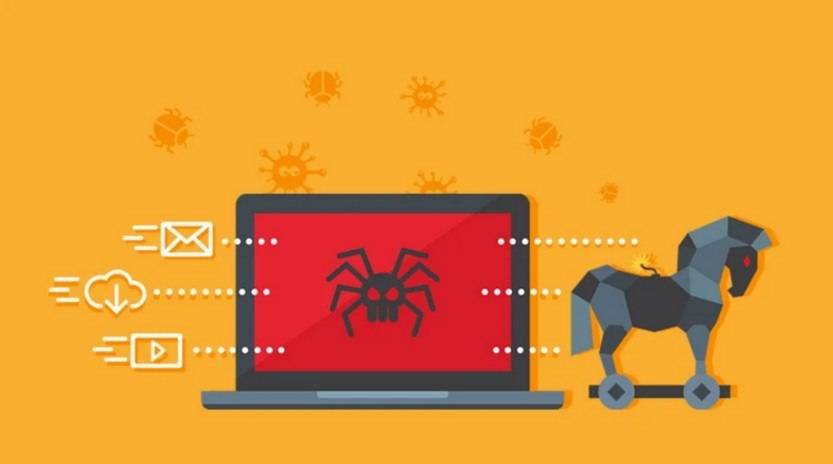
- Malware Distribution: In some cases, clicking on the link or downloading the associated software can lead to the installation of malware on the victim’s device. This malware can range from adware that bombards the user with unwanted advertisements to more malicious forms such as ransomware or keyloggers.
- Social Engineering: The scammers exploit human psychology and emotions to manipulate users into taking the desired actions. By offering a seemingly irresistible discount, they tap into the desire for freebies and discounts, making it harder for users to resist the scam.
Statistics on Facebook Scams
Facebook scams, including the ‘Free $75 Off Publix Gift Card’ scam, have become increasingly prevalent in recent years. Here are some statistics that shed light on the scale of the problem:
- In 2020, Facebook reported removing over 1.3 billion fake accounts, many of which were involved in scams and fraudulent activities.
- A study conducted by the Better Business Bureau (BBB) found that Facebook was the most common platform for online purchase scams, accounting for 84% of reported incidents.
- According to the Federal Trade Commission (FTC), consumers reported losing over $117 million to social media scams in 2020.
Summary
The ‘Free $75 Off Publix Gift Card’ Facebook scam is a deceptive scheme that preys on users’ desire for discounts and freebies. By luring individuals with the promise of a generous gift card, scammers aim to collect personal information or distribute malware. If you have fallen

Join the discussion
0 commentsShare your experience or ask a question about this article.
Discussion
Start the conversation
Have a question or something useful to share? Add the first comment.