

Scams have become increasingly prevalent in today’s digital age, with fraudsters constantly devising new ways to deceive unsuspecting individuals. One such scam that has gained significant attention is the ‘Free Round Trip Tickets From Southwest Airlines’ giveaway scam. This article aims to provide a comprehensive overview of this scam, including what it is, how it works, what to do if you have fallen victim, technical details, and relevant statistics.
What is the ‘Free Round Trip Tickets From Southwest Airlines’ Giveaway Scam?
The ‘Free Round Trip Tickets From Southwest Airlines’ giveaway scam is an elaborate scheme designed to trick individuals into providing their personal information or engaging in fraudulent activities. Scammers often use the name and reputation of Southwest Airlines, a popular airline company, to gain the trust of their victims.
The scam typically begins with an enticing message or advertisement claiming that Southwest Airlines is giving away free round trip tickets to a select number of lucky winners. These messages are often spread through email, social media platforms, or even text messages. The scammers may use official-looking logos, branding, and language to make their messages appear legitimate.
How Does the Scam Work?
Once an individual falls for the scam and clicks on the provided link or responds to the message, they are directed to a fraudulent website that mimics the Southwest Airlines website. This website is designed to collect personal information from the victims, such as their name, address, phone number, and even credit card details.
In some cases, the scammers may require the victims to complete surveys or participate in other activities before claiming their supposed free tickets. These activities often involve sharing the scam with others or signing up for paid services, generating revenue for the scammers.
After the victims provide their personal information or complete the required activities, they are left empty-handed. The promised free round trip tickets never materialize, and the scammers disappear with the collected data, which can be used for identity theft or sold on the dark web.
What to Do If You Have Fallen Victim?
Discovering that you have fallen victim to a scam can be distressing, but it is crucial to take immediate action to minimize the potential damage. Here are the steps you should follow if you have fallen victim to the ‘Free Round Trip Tickets From Southwest Airlines’ giveaway scam:
- Change your passwords: Start by changing the passwords for all your online accounts, especially those associated with sensitive information like banking or email accounts. Use strong, unique passwords that include a combination of letters, numbers, and special characters.
- Contact your bank or credit card company: If you provided your credit card details to the scammers, contact your bank or credit card company immediately to report the incident and request a card replacement.
- Monitor your accounts: Keep a close eye on your financial accounts and credit reports for any suspicious activity. Report any unauthorized transactions or signs of identity theft to the relevant authorities.
- Report the scam: Inform Southwest Airlines about the scam by contacting their customer service or reporting the incident through their official website. Additionally, report the scam to your local law enforcement agency and the appropriate online fraud reporting authorities.
- Scan your devices for malware: Run a thorough scan of your devices using reputable antivirus software like Malwarebytes Free to detect and remove any potential malware or spyware that may have been installed by the scammers.
By taking these steps promptly, you can mitigate the potential harm caused by falling victim to the ‘Free Round Trip Tickets From Southwest Airlines’ giveaway scam.
Technical Details of the Scam
The ‘Free Round Trip Tickets From Southwest Airlines’ giveaway scam utilizes various techniques to deceive individuals and collect their personal information. Here are some technical details of the scam:
- Phishing websites: The scammers create fake websites that closely resemble the official Southwest Airlines website. These websites often have URLs that are slightly different from the legitimate site, making it difficult for victims to spot the deception.
- Social engineering: The scammers use persuasive language, official branding, and promises of free tickets to manipulate individuals into providing their personal information or engaging in fraudulent activities.
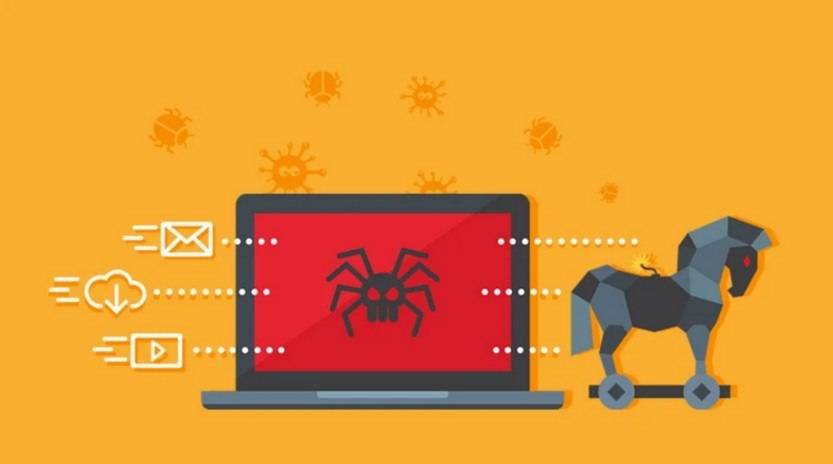
- Malware distribution: In some cases, the scammers may distribute malware through the scam messages or websites. This malware can infect victims’ devices, allowing the scammers to gain unauthorized access or steal sensitive information.
It is important to stay vigilant and be aware of these technical details to avoid falling victim to similar scams in the future.
Statistics on Scams
Scams, including the ‘Free Round Trip Tickets From Southwest Airlines’ giveaway scam, have become a widespread issue affecting individuals worldwide. Here are some statistics that highlight the prevalence and impact of scams:
- According to the Federal Trade Commission (FTC), consumers reported losing over $1.9 billion to fraud in 2019 alone.
- In 2020, the Better Business Bureau (BBB) received over 40,000 reports of travel and vacation scams, resulting in an estimated loss of $12.8 million.
- A study conducted by the University of Cambridge found that individuals who fell victim to scams experienced not only financial losses but also psychological distress and a decline in overall well-being.
These statistics emphasize the need for increased awareness and education to protect individuals from falling victim to scams.
Summary
The ‘Free Round Trip Tickets From Southwest Airlines’ giveaway scam is a deceptive scheme that preys on individuals’ desire for free travel. By understanding how the scam works and taking necessary precautions, such as changing passwords, monitoring accounts, and reporting the incident, individuals can minimize the potential damage caused by falling victim to such scams. Staying informed, using reputable antivirus software like Malwarebytes Free, and maintaining a healthy level of skepticism can go a long way in protecting oneself from scams in the digital age.

Join the discussion
0 commentsShare your experience or ask a question about this article.
Discussion
Start the conversation
Have a question or something useful to share? Add the first comment.