

A bottle called Hema Balance sounds like something carefully put together for everyday circulation and wellness. The sales page certainly gives that impression.
Before you choose a package, follow the details all the way through. There are questions here that a reassuring bottle photo cannot answer.
Overview
What the Hema Balance Page Promises
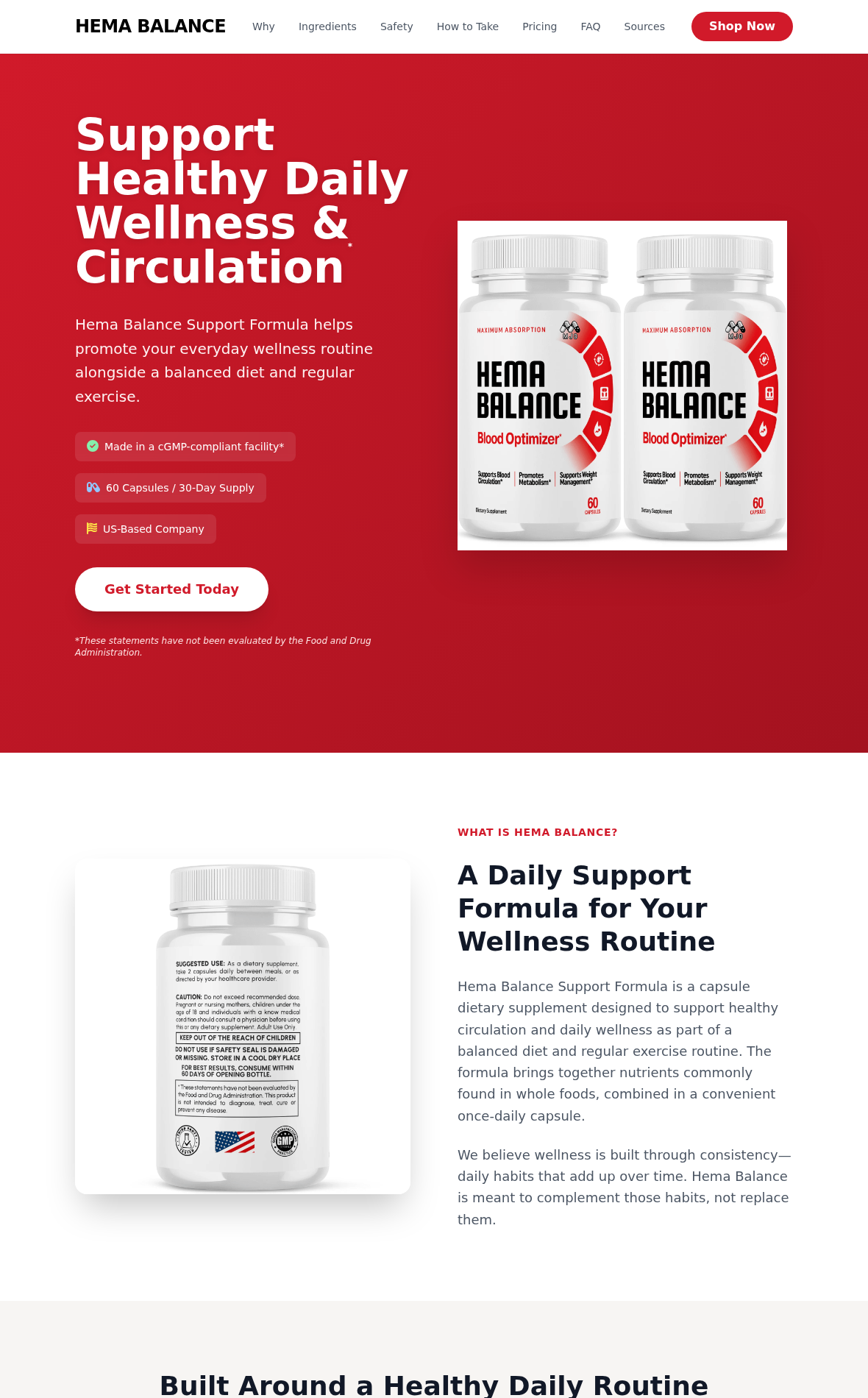
Hema Balance Support Formula is promoted as a capsule supplement for circulation and daily wellness. The page emphasizes clearly listed ingredients and quality manufacturing.
It describes a 60-capsule bottle as a 30-day supply and offers single, three-bottle, and six-bottle packages.
Those details create the appearance of a ready-to-order product. But essential information further down the same page is still unfinished.
The Ingredient Section Contains Placeholders
The section promising transparency does not actually name the ingredients. It contains repeated fields awaiting ingredient names, amounts, evidence levels, and citations.
The contact area similarly leaves the telephone number undecided. The page says pricing and recurring-purchase terms are still being finalized.
That isn’t enough information to assess what you would take or what financial commitment you would make.
The Purchase Route Leads to Another Supplement
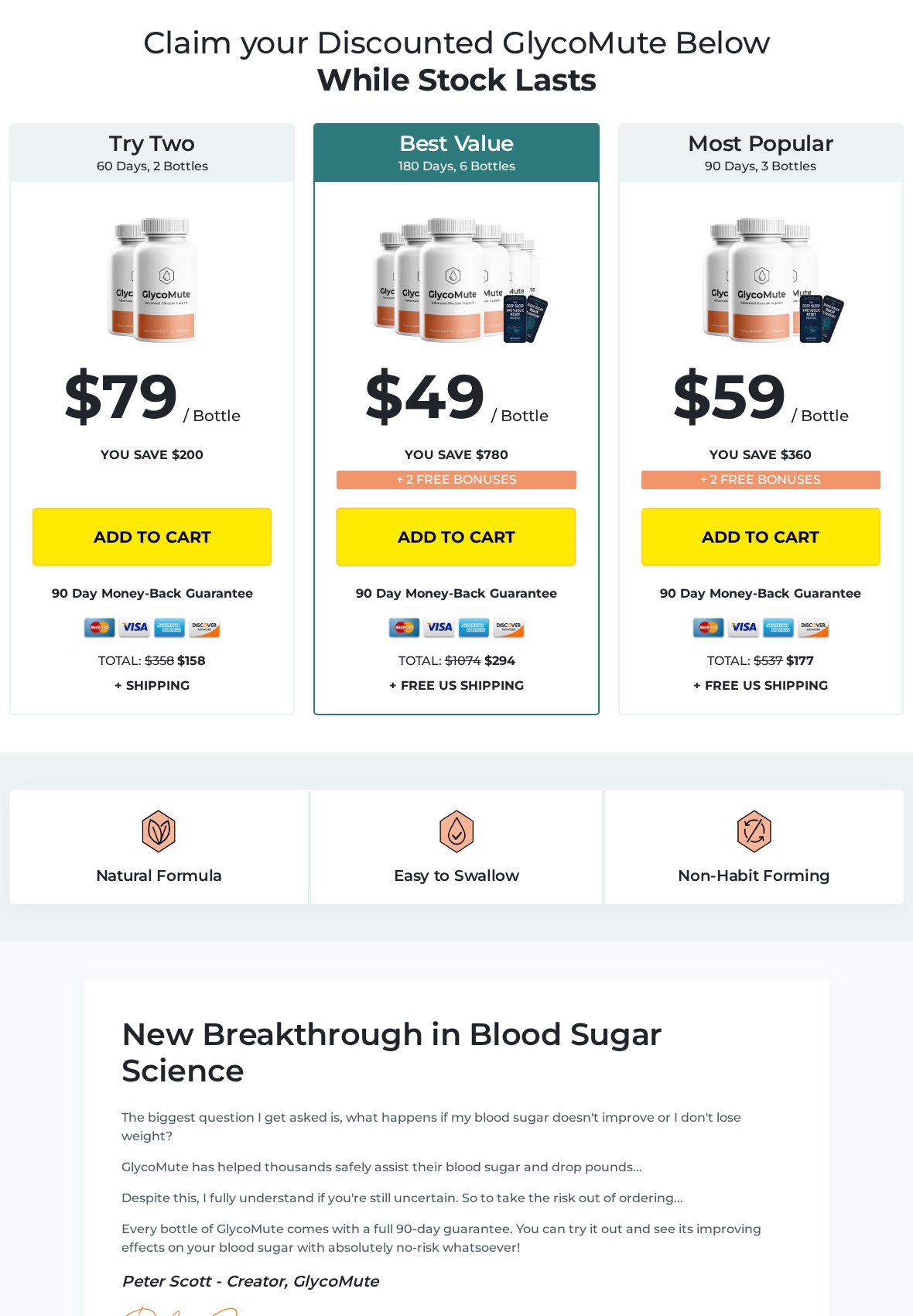
The package buttons use an Alikoo route. The redirects passed through a Gluco Care domain before reaching a Thrivalon page advertising GlycoMute.
A Hema Balance bottle and a GlycoMute bottle are not interchangeable product identities. A redirected offer needs to explain that change before anyone pays.
The reasons to stop are concrete:
- Missing ingredient names and amounts despite a transparency claim.
- Unfinished testing, pricing, and review information.
- Package buttons that do not identify a matching Hema Balance checkout.
- A different supplement displayed at the purchase destination.
- No verified manufacturer tied to the proposed Hema Balance bottle.
Why an Ingredient Placeholder Is a Buying Stop Sign
A supplement isn’t just a brand and a desired outcome. It is a combination of substances in particular amounts that you would put into your body.
Without those details, a pharmacist cannot meaningfully check interactions. A shopper cannot compare doses, identify allergens, or decide whether the formula fits a medical situation.
The page says every ingredient is listed on the label, but the material presented online doesn’t supply that promised list.
It also describes batch testing while leaving testing status or supporting details to be confirmed. A completed quality claim needs more than a future field.
These gaps matter even if the page is simply unfinished. The prudent buying decision is the same: don’t order an unidentified formula.
A Front Label Is Not the Supplement Facts Panel
The product imagery identifies Hema Balance and broad wellness claims. It doesn’t replace a readable Supplement Facts panel for the exact item being offered.
The NIH Office of Dietary Supplements explains the importance of label information such as serving size, ingredients, amounts, and the responsible business.
Ask for an actual label image that allows you to read those details. Don’t accept a generic description of nutrients commonly found in food.
A familiar ingredient can also have different implications at different doses. Guessing the formula from circulation marketing would be irresponsible.
The Page Doesn’t Establish Medical Effectiveness
Links to government health organizations can make a page feel well researched. Here, the references point to institutional homepages rather than identified Hema Balance trials.
General supplement information does not demonstrate that the finished bottle improves circulation. Nor does it authenticate the claimed production process.
The page explicitly says a licensed clinician has not yet reviewed its final content. That is not a hidden expert endorsement.
Its cautionary wording is better than pretending a clinician approved it. But acknowledging an unfinished review doesn’t complete the missing ingredient and purchase information.
How the Hema Balance Purchase Route Works
Step 1: A Finished-Looking Bottle Makes the Offer Feel Ready
The opening presentation uses a recognizable supplement layout: bottle images, a benefits headline, manufacturing language, and a prominent purchase button.
A shopper can quickly move toward a package without reaching the incomplete sections. The polished top of the page hides how little is settled below.
That doesn’t prove how the images were created or whether a real bottle exists. It means appearance should not be mistaken for verified product information.
Read past the marketing before deciding. If essential fields remain placeholders, the product isn’t ready for a confident purchase recommendation.
Step 2: Broad Wellness Language Stands In for a Formula
The page discusses healthy routines, circulation, and consistency. Those are approachable ideas, but none identifies the substances inside a capsule.
A healthy diet or exercise reference can be valid without proving the supplement adds a benefit. The missing step is evidence for this exact formulation.
The repeated ingredient fields leave that step unresolved. You cannot transfer benefits from an unnamed nutrient into a finished-product promise.
If you’re looking for help with blood sugar, blood pressure, or another diagnosed concern, don’t assume the product name supplies an appropriate treatment.
Discuss the actual concern with a healthcare professional. The seller’s language about general support is not a diagnosis or a medicine recommendation.
Step 3: Package Prices Encourage a Larger Commitment
The Hema Balance page lists $79 per bottle for one, $69 each for three, and $49 each for six.
At those advertised unit prices, the product totals would be $79, $207, and $294 before any applicable additions.
The lowest prominent number therefore belongs to the largest package. Six bottles at $49 each are not a single $49 trial.
But these are the page’s advertised figures, not an authenticated Hema Balance transaction. Its own FAQ says final pricing and purchase terms remain unsettled.
A buyer should not commit to months of an unidentified formula just because the unit price looks lower.
Step 4: The Buttons Send You Outside the Hema Balance Page
The package links share an Alikoo route rather than distinct Hema Balance order links. It passed through glucocare.net and continued to thrivalon.com.
The rendered offer there named GlycoMute. It showed two, three, and six-bottle options, with a different price presentation.
Those differences are not a completed-order substitution finding. They are a documented mismatch in the offer a shopper reaches before purchase.
Do not assume your chosen Hema Balance package has been retained. Check the product name, amount, quantity, and merchant again at every handoff.
If the destination cannot explain why it sells another bottle, close the offer. A secure connection does not resolve the product mismatch.
Step 5: A Different Guarantee Appears With the Different Bottle
The captured GlycoMute destination advertised a 90-day guarantee and displayed full totals beneath its package cards.
That promise belongs to the offer displayed there. It should not be presented as proof of a finalized Hema Balance guarantee.
The Hema Balance FAQ instead says complete return instructions and terms will be supplied. A future explanation isn’t an adequate basis for paying now.
A refund process needs a responsible merchant, a deadline, eligibility rules, and a clear contact route. Confirm these before authorizing a transaction.
Do not send money on the assumption that any supplement page with a guarantee will refund any other branded bottle.
Step 6: The Final Order Determines What You Actually Authorized
No completed purchase or recurring authorization was tested. The evidence does not establish that every visitor receives six bottles or is enrolled in automatic refills.
The unresolved billing language is still a reason to stop. You need to know whether payment covers one shipment or an ongoing arrangement.
Look for the renewal interval, future amount, cancellation process, and any minimum commitment. Ask the merchant to explain unclear terms in writing.
A large first package and a subscription are separate issues. Don’t confuse a six-bottle selection with proof of recurring billing.
The Hema Balance Seller, Label, and Payment Trail
A U.S.-Based Claim Doesn’t Identify the Legal Seller
The page says the company is U.S.-based but doesn’t establish a named, verified legal entity responsible for the proposed bottle.
An affiliate route can promote a product without being its manufacturer or payment merchant. The redirect alone doesn’t prove common ownership of every domain involved.
If you’ve paid, start with the entity and descriptor on your receipt. Ask that merchant which product it accepted payment for.
The Manufacturer and Return Location Need to Be Supplied
The material inspected did not trace a Hema Balance factory, production lot, or authorized return depot. Manufacturing-quality language doesn’t provide those identities.
A return address for the redirected product would not automatically be the correct address for a Hema Balance order.
Obtain instructions tied to the exact receipt before sending a parcel. Don’t choose a location from another promotional page or an unrelated seller.
The Published Support Details Are Incomplete
The page lists support@hemabalance.net while leaving its telephone number to be determined. Several policy links point to the page itself rather than completed documents.
No contact test was made. The email’s presence is not proof that it answers, and the placeholder is not proof that all support is fake.
The point is simpler: buyers need an identified business with usable order and refund terms before they part with money.
Verify the Bottle You Receive, Not the Bottle in the Picture
A delivered product should identify its contents, serving size, warnings, responsible manufacturer or distributor, lot, and expiry information.
If the label says GlycoMute, it shouldn’t be assessed using the unfinished Hema Balance ingredient fields. Product identity comes first.
No laboratory testing established contents or contamination. An unknown formula is a reason not to use it, not permission to invent a dangerous ingredient list.
How to Distinguish an Unfinished Page From a Safe Purchase
A legitimate business can publish an unfinished webpage by mistake. That possibility doesn’t make its incomplete purchase route suitable for customers.
The seller can resolve the problem by supplying a complete label, correcting package links, naming the merchant, and publishing final billing and refund terms.
Until then, don’t fill the blanks yourself. You shouldn’t have to reconstruct what a health product contains or which bottle an order button buys.
The same applies to testing claims. A batch-testing statement should be backed by identifiable product and lot information, not a promise to add details later.
This is an evidence-based buying stop, not a declaration that every related supplement or payment service is fraudulent.
What to Do If You Responded to the Hema Balance Offer
-
If you only looked, stop before paying. Save the unfinished ingredient section and the product destination if you want clarification from the seller.
Don’t enter payment or personal information merely to discover what the offer is supposed to be.
-
Identify any payment you made. Find the receipt, merchant descriptor, product name, quantity, total, and purchase date.
If the confirmation names a different supplement, ask the merchant to explain the mismatch and cancel an unwanted order before dispatch.
-
Preserve the redirect evidence. Keep the Hema Balance page and the offer reached through its package button. Record which promise influenced the purchase.
Those records help explain a product-identity dispute without assuming who controls each domain or affiliate link.
-
Check future billing explicitly. Read the order confirmation for subscription or recurring-shipment terms. Request cancellation of an arrangement you didn’t intend.
Ask for written confirmation identifying the next charge and whether it has been stopped. A refund request alone may not cancel future orders.
-
Don’t take an unidentified supplement. Inspect the delivered label and consult a pharmacist or clinician before using a formula that isn’t clearly disclosed.
Keep the package and lot details if you develop symptoms. Do not adjust prescribed treatment because of a circulation or glucose-support advertisement.
-
Request an order-specific remedy. Contact the payment merchant with the mismatch, receipt, and screenshots. Ask which return deadline and address apply.
If it remains unresolved, speak to your payment provider promptly about its dispute process and required documentation.
Frequently Asked Questions
What Are the Hema Balance Ingredients?
The inspected ingredient section contains placeholders rather than a completed formula. Don’t assume ingredients or amounts from the product’s general circulation-support description.
Why Does the Purchase Link Show GlycoMute?
The affiliate route led to a destination displaying GlycoMute. That documents a different offer, not proof that a Hema Balance order would contain the same formulation.
Is Hema Balance Automatically a Subscription?
That wasn’t established. Its FAQ says purchase terms remain unfinished, so a buyer must obtain the actual recurring or one-time conditions before paying.
How Much Does the Six-Bottle Offer Cost?
The Hema Balance page advertises six at $49 each, totaling $294 before additions. A matching finalized checkout for that product wasn’t authenticated.
Do the Government Reference Links Prove the Product Works?
No. Institutional homepages provide general information, not a clinical trial demonstrating that the finished Hema Balance formula improves circulation.
Should I Use a Bottle That Arrives Under Another Name?
Not until its identity, complete label, and suitability are clear. Request clarification and a remedy for an unwanted substitution, and consult a healthcare professional.
The Bottom Line
Do not buy through this Hema Balance offer. The formula is unfinished, and its purchase route displays a different supplement instead of a verified matching order.
If you’ve paid, identify the merchant and bottle, check renewals, and request cancellation or a documented refund. Don’t use an unidentified formula while waiting for answers.








