

Scams have become an unfortunate reality in the digital age, with cybercriminals constantly devising new ways to deceive unsuspecting individuals. One such scam that has gained significant attention in recent years is the HMRC “Last Fiscal Activity” tax refund phishing scam. This scam targets taxpayers in the United Kingdom, posing as the HM Revenue and Customs (HMRC) to trick victims into revealing sensitive personal and financial information. In this article, we will delve into the details of this scam, how it works, what to do if you have fallen victim, and provide valuable insights to help you stay safe online.
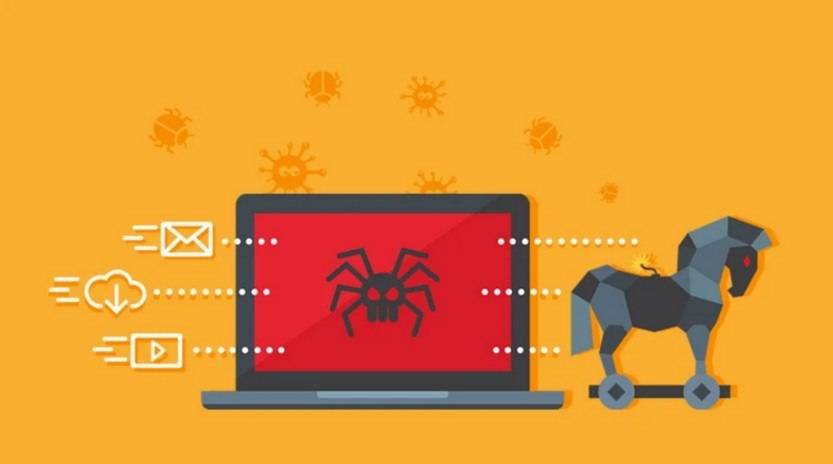
What is the HMRC “Last Fiscal Activity” Tax Refund Phishing Scam?
The HMRC “Last Fiscal Activity” tax refund phishing scam is an email-based scam that aims to trick individuals into believing they are eligible for a tax refund from HMRC. The scam email typically contains a subject line related to tax refunds, such as “Last Fiscal Activity” or “Tax Refund Notification.” The email is designed to appear as if it is sent from HMRC, complete with official logos and branding, making it difficult to distinguish it from a legitimate communication.
The email usually informs the recipient that they are eligible for a tax refund due to an overpayment or an error in their tax calculations. It urges the recipient to click on a link or download an attachment to claim their refund. However, these links and attachments are malicious and can lead to devastating consequences if interacted with.
How Does the Scam Work?
The HMRC “Last Fiscal Activity” tax refund phishing scam relies on social engineering techniques to deceive victims. Here is a step-by-step breakdown of how the scam typically unfolds:
- The scammer sends out a large number of emails, pretending to be from HMRC, to random email addresses.
- The email contains a message informing the recipient about a tax refund they are eligible for.
- The email urges the recipient to click on a link or download an attachment to claim their refund.
- If the recipient clicks on the link or downloads the attachment, they are redirected to a fake website that closely resembles the official HMRC website.
- The victim is then prompted to enter their personal and financial information, such as their full name, address, date of birth, bank account details, and even their National Insurance number.
- Once the victim submits their information, it is collected by the scammers, who can then use it for various malicious purposes, such as identity theft, financial fraud, or selling the information on the dark web.
It is important to note that HMRC will never contact individuals via email regarding tax refunds or ask for personal or financial information in this manner. Therefore, any email claiming to be from HMRC regarding a tax refund should be treated with suspicion.
What to Do If You Have Fallen Victim?
If you have fallen victim to the HMRC “Last Fiscal Activity” tax refund phishing scam, it is crucial to take immediate action to minimize the potential damage. Here are the steps you should follow:
- Disconnect from the internet: As soon as you realize you have been scammed, disconnect from the internet to prevent further unauthorized access to your personal information.
- Scan your device for malware: Run a thorough scan of your device using reliable antivirus software, such as Malwarebytes Free, to detect and remove any malware that may have been installed.
- Change your passwords: Change the passwords for all your online accounts, including your email, banking, and social media accounts, to prevent unauthorized access.
- Contact your bank: If you have provided your bank account details to the scammers, contact your bank immediately to report the incident and take necessary steps to protect your account.
- Report the scam: Forward the scam email to HMRC at phishing@hmrc.gov.uk. You should also report the incident to Action Fraud, the UK’s national fraud and cybercrime reporting center.
Technical Details of the Scam
The HMRC “Last Fiscal Activity” tax refund phishing scam utilizes various technical tactics to deceive victims and make the scam appear legitimate. Here are some technical details of the scam:
- Email spoofing: The scammers use email spoofing techniques to make the email appear as if it is sent from a legitimate HMRC email address. They may also use domain names that closely resemble the official HMRC domain.
- Phishing websites: The scammers create fake websites that closely mimic the official HMRC website. These websites are designed to trick victims into entering their personal and financial information.
- Malicious attachments: The scam emails may contain attachments, such as PDF files or Word documents, that are infected with malware. Opening these attachments can lead to the installation of malicious software on the victim’s device.
- URL manipulation: The links in the scam emails may appear legitimate at first glance but actually redirect the victim to a fake website. This is achieved through URL manipulation techniques.
Statistics on Tax Refund Phishing Scams
Tax refund phishing scams, including the HMRC “Last Fiscal Activity” scam, have become increasingly prevalent in recent years. Here are some statistics that highlight the scale of the issue:
- In 2020, HMRC received reports of over 846,000 phishing emails, with many of them related to tax refunds.
- According to a study by the cybersecurity firm Proofpoint, tax-themed phishing emails accounted for 60% of all phishing attacks in the first quarter of 2021.
- The UK’s National Cyber Security Centre (NCSC) reported a 20% increase in phishing attacks in 2020 compared to the previous year.
Summary
The HMRC “Last Fiscal Activity” tax refund phishing scam is a prevalent and dangerous scam that targets taxpayers in the UK. It relies on deceptive emails that appear to be from HMRC, tricking victims into revealing their personal and financial information. To protect yourself from falling victim to this scam, it is crucial to remain vigilant

Join the discussion
0 commentsShare your experience or ask a question about this article.
Discussion
Start the conversation
Have a question or something useful to share? Add the first comment.