

Scammers are constantly finding new ways to deceive unsuspecting individuals and steal their personal information. One such scam that has been on the rise is the HMRC ‘Your Automatic Payment Didn’t Go Through’ phishing scam. This article aims to provide valuable insights into what this scam is, how it works, what to do if you have fallen victim, and other relevant data to help you stay safe online.
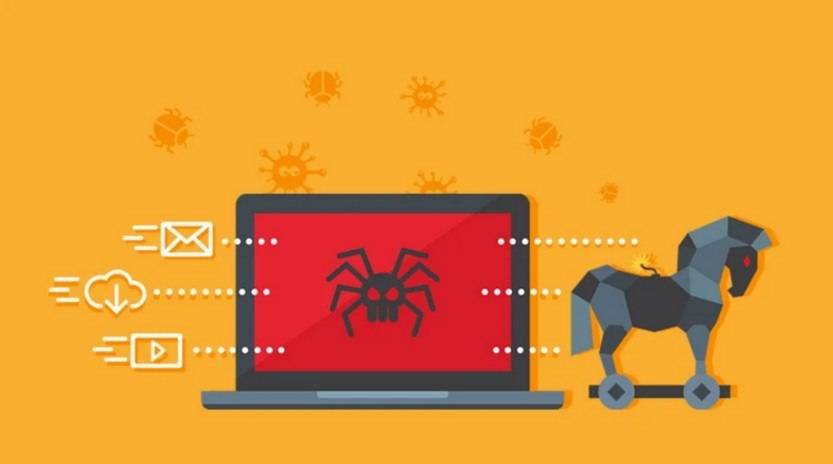
What is the HMRC ‘Your Automatic Payment Didn’t Go Through’ Phishing Scam?
The HMRC ‘Your Automatic Payment Didn’t Go Through’ phishing scam is an attempt by cybercriminals to trick individuals into providing their personal and financial information. The scammers send out emails or text messages that appear to be from HM Revenue and Customs (HMRC), the UK government department responsible for collecting taxes.
The messages typically inform the recipient that their automatic payment to HMRC has failed and that they need to update their payment details to avoid penalties or legal action. The scammers use fear tactics to create a sense of urgency, pressuring the victim to act quickly without thinking.
How Does the Scam Work?
The HMRC ‘Your Automatic Payment Didn’t Go Through’ phishing scam works by exploiting the trust people have in government institutions like HMRC. Here is a step-by-step breakdown of how the scam typically unfolds:
- The victim receives an email or text message that appears to be from HMRC, informing them that their automatic payment has failed.
- The message contains a link or attachment that the victim is instructed to click on or open to update their payment details.
- Once the victim clicks on the link or opens the attachment, they are directed to a fake website that looks identical to the official HMRC website.
- The victim is then prompted to enter their personal and financial information, such as their name, address, date of birth, bank account details, and credit card information.
- After the victim submits their information, the scammers have access to their sensitive data, which they can use for identity theft or financial fraud.
What to Do If You Have Fallen Victim?
If you have fallen victim to the HMRC ‘Your Automatic Payment Didn’t Go Through’ phishing scam, it is crucial to take immediate action to minimize the potential damage. Here are the steps you should follow:
- Disconnect from the internet: As soon as you realize you have been scammed, disconnect from the internet to prevent further unauthorized access to your devices and accounts.
- Scan your devices for malware: Run a scan with Malwarebytes Free or any reputable antivirus software to detect and remove any malware that may have been installed on your devices.
- Change your passwords: Change the passwords for all your online accounts, including your email, banking, and social media accounts. Use strong, unique passwords that are difficult to guess.
- Contact your bank and credit card companies: Inform your bank and credit card companies about the scam and ask them to monitor your accounts for any suspicious activity. They may also be able to provide additional guidance on how to protect yourself.
- Report the scam: Report the scam to HMRC and to your local law enforcement agency. This will help authorities track down the scammers and prevent them from targeting others.
Other Relevant Data
According to recent reports, the HMRC ‘Your Automatic Payment Didn’t Go Through’ phishing scam has been on the rise, with an increasing number of individuals falling victim to this scheme. Here are some additional data points to be aware of:
- Phishing scams, including those impersonating HMRC, cost individuals and businesses millions of dollars each year.
- HMRC will never contact you by email or text message regarding your automatic payments. They primarily communicate through traditional mail.
- Scammers often use sophisticated techniques to make their emails or text messages appear legitimate, such as using official logos, email addresses that resemble HMRC’s, and professional language.
- Being vigilant and skeptical of unsolicited messages is crucial in protecting yourself from falling victim to phishing scams.
Summary
The HMRC ‘Your Automatic Payment Didn’t Go Through’ phishing scam is a deceptive scheme aimed at tricking individuals into providing their personal and financial information. By understanding how this scam works and taking the necessary precautions, you can protect yourself from becoming a victim. Remember to always be cautious when receiving unsolicited messages, and report any suspicious activity to the appropriate authorities. Stay safe online!

Join the discussion
0 commentsShare your experience or ask a question about this article.
Discussion
Start the conversation
Have a question or something useful to share? Add the first comment.