

When you purchase a new HP computer, you may notice that it comes pre-installed with various software programs. One such program is HP Games by WildTangent. In this article, we will explore what HP Games is, its features, potential drawbacks, and whether or not you should consider uninstalling it from your computer.
What is HP Games by WildTangent?
HP Games by WildTangent is a gaming platform that comes pre-installed on many HP computers. It offers a wide range of games, including both free and paid options. The platform allows users to access and play games directly from their desktop without the need for additional installations or downloads.
WildTangent, the company behind HP Games, has been in the gaming industry since 1998. They partner with various computer manufacturers, including HP, to provide pre-installed gaming platforms on new computers.
Features of HP Games
HP Games by WildTangent offers several features that may appeal to gamers:
- Wide Selection of Games: The platform provides access to a vast library of games, ranging from casual puzzle games to more immersive and action-packed titles.
- Free and Paid Games: Users can choose to play free games or purchase premium games for a more enhanced gaming experience.
- Game Trials: HP Games allows users to try out games before deciding to purchase them, giving them a chance to experience the gameplay and determine if it suits their preferences.
- Game Recommendations: The platform offers personalized game recommendations based on the user’s gaming history and preferences.
- Social Features: Users can connect with friends, compete in leaderboards, and share their gaming achievements on social media platforms.
Should I Uninstall HP Games?
Whether or not you should uninstall HP Games by WildTangent depends on your personal preferences and usage of the platform. Here are a few factors to consider:
1. Gaming Interests
If you are an avid gamer and enjoy exploring a wide variety of games, HP Games may be a valuable addition to your computer. The platform offers a convenient way to access and play games without the need for additional installations or purchases.
2. Storage Space
Pre-installed software programs, including HP Games, can take up valuable storage space on your computer. If you are running low on storage or prefer to have more control over the programs installed on your computer, uninstalling HP Games may be a viable option.
3. Performance Impact
Some users have reported that HP Games by WildTangent can have a minor impact on system performance, particularly during gameplay. If you notice any performance issues or slowdowns while using the platform, uninstalling it may help improve your computer’s overall performance.
4. Alternative Gaming Platforms
If you already have other gaming platforms installed on your computer, such as Steam or Epic Games Store, you may find that HP Games offers redundant features. In such cases, uninstalling HP Games can help streamline your gaming experience and reduce clutter on your desktop.
How to Uninstall HP Games
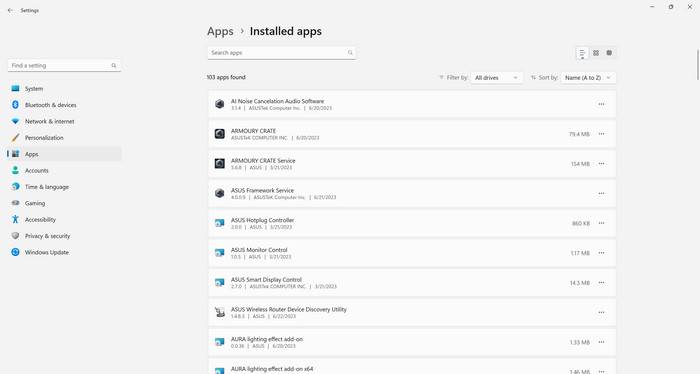
If you have decided to uninstall HP Games by WildTangent, here’s how you can do it:
- Open the Control Panel on your computer.
- Select “Programs” or “Programs and Features.”
- Locate “HP Games” or “WildTangent Games” in the list of installed programs.
- Right-click on the program and select “Uninstall” or “Remove.”
- Follow the on-screen prompts to complete the uninstallation process.
After uninstalling HP Games, it is recommended to perform a thorough scan of your computer for any potential malware or unwanted programs. You can use Malwarebytes Free, a reputable anti-malware software, to ensure your computer is clean and secure.
Conclusion
HP Games by WildTangent is a pre-installed gaming platform on many HP computers, offering a wide selection of games and features. Whether or not you should uninstall it depends on your gaming interests, storage space, performance impact, and the presence of alternative gaming platforms.
If you decide to uninstall HP Games, make sure to follow the steps outlined above and consider scanning your computer for any potential malware or unwanted programs using Malwarebytes Free. Ultimately, the choice to keep or uninstall HP Games is yours, based on your individual preferences and needs.

Join the discussion
0 commentsShare your experience or ask a question about this article.
Discussion
Start the conversation
Have a question or something useful to share? Add the first comment.