

HP Photo Creations by Hewlett-Packard: What It Is & Should I Remove It?
When it comes to photo editing and printing software, HP Photo Creations by Hewlett-Packard is a popular choice among users. This software offers a range of features and tools that allow users to create personalized photo projects, such as calendars, photo books, and greeting cards. However, like any software, it is important to understand what HP Photo Creations is and whether or not it is necessary to have it installed on your computer.
What is HP Photo Creations?
HP Photo Creations is a free software application developed by Hewlett-Packard that allows users to create and print personalized photo projects. It provides a user-friendly interface with a wide range of templates, backgrounds, and editing tools to help users bring their creative ideas to life. Whether you want to create a photo collage, design a personalized calendar, or make a custom greeting card, HP Photo Creations offers a variety of options to suit your needs.
With HP Photo Creations, users can import photos from their computer or social media accounts, apply filters and effects, add text and graphics, and arrange the elements to create a visually appealing project. The software also provides printing options, allowing users to print their creations at home or send them to a professional printing service.
Should I Remove HP Photo Creations?
Deciding whether or not to remove HP Photo Creations from your computer depends on your personal preferences and usage. Here are a few factors to consider:
1. Usage Frequency
If you frequently engage in photo editing and printing projects, HP Photo Creations can be a valuable tool. Its wide range of features and templates make it easy to create professional-looking projects without the need for advanced design skills. However, if you rarely use the software or prefer to use alternative photo editing tools, removing HP Photo Creations may free up valuable storage space on your computer.
2. Alternative Software
There are numerous photo editing and printing software options available in the market. If you find that HP Photo Creations does not meet your specific needs or preferences, you may consider exploring alternative software options. Some popular alternatives include Adobe Photoshop, Canva, and Snapfish. These alternatives offer similar features and functionality, allowing you to create stunning photo projects.
3. System Performance
If you notice that your computer’s performance is being negatively affected by HP Photo Creations, it may be worth considering removing the software. Some users have reported that the software can slow down their computer or cause other performance issues. In such cases, removing HP Photo Creations can help improve the overall performance and speed of your computer.
How to Remove HP Photo Creations?
If you have decided to remove HP Photo Creations from your computer, here are the steps you can follow:
- Open the Control Panel on your computer.
- Select “Uninstall a program” or “Programs and Features.”
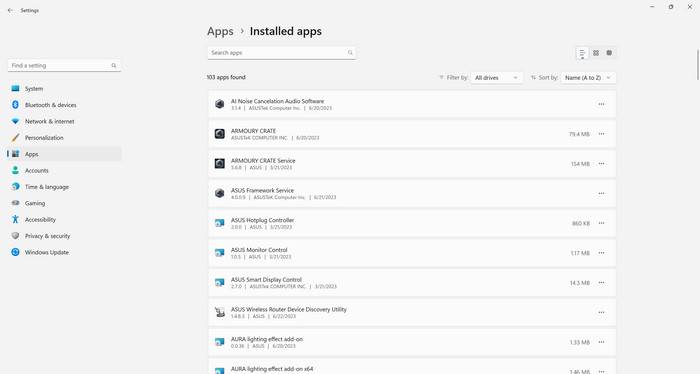
- Locate HP Photo Creations in the list of installed programs.
- Right-click on HP Photo Creations and select “Uninstall.”
- Follow the on-screen prompts to complete the uninstallation process.
After uninstalling HP Photo Creations, it is recommended to scan your computer for any potential malware or unwanted programs. Malwarebytes Free is a reliable and effective tool for scanning and removing malware from your computer. You can download Malwarebytes Free from their official website and run a scan to ensure your computer is clean and secure. Malwarebytes Free.
Conclusion
HP Photo Creations by Hewlett-Packard is a versatile software application that offers a range of features and tools for creating personalized photo projects. Whether you should remove it or not depends on your usage frequency, preferences, and system performance. If you rarely use the software, prefer alternative options, or experience performance issues, removing HP Photo Creations may be a viable option.
Remember to always scan your computer for malware after uninstalling any software. Malwarebytes Free is a reliable tool that can help ensure your computer remains clean and secure. Ultimately, the decision to remove HP Photo Creations should be based on your individual needs and preferences.

Join the discussion
0 commentsShare your experience or ask a question about this article.
Discussion
Start the conversation
Have a question or something useful to share? Add the first comment.