

When it comes to managing power settings on your HP laptop, you may have come across a program called HP Power Assistant. This software is designed to help users optimize their power usage and extend battery life. However, you may be wondering if it is necessary to keep this program installed on your device or if it can be safely removed. In this article, we will explore what HP Power Assistant is, how it works, and whether or not you should consider removing it.
What is HP Power Assistant?
HP Power Assistant is a software program developed by Hewlett-Packard (HP) that is pre-installed on many HP laptops. Its primary purpose is to provide users with tools and features to manage power settings and optimize battery usage. The program offers various options to control power consumption, monitor battery health, and adjust power profiles based on user preferences.
HP Power Assistant provides users with a user-friendly interface that allows them to easily access and modify power settings. It offers features such as power usage graphs, battery health diagnostics, and power plan customization. These tools can be particularly useful for users who rely heavily on their laptops and need to maximize battery life.
How Does HP Power Assistant Work?
HP Power Assistant works by monitoring and controlling various power-related settings on your HP laptop. It collects data on power usage, battery health, and system performance to provide users with insights and recommendations for optimizing power consumption.
The program allows users to create custom power plans based on their specific needs. These plans can be tailored to prioritize battery life, performance, or a balance between the two. Users can also adjust settings such as screen brightness, sleep timers, and processor performance to further optimize power usage.
HP Power Assistant continuously monitors power usage and provides real-time feedback on the impact of different settings. This allows users to make informed decisions about their power management preferences and adjust settings accordingly.
Should I Remove HP Power Assistant?
Whether or not you should remove HP Power Assistant depends on your individual needs and preferences. Here are a few factors to consider:
1. Battery Life:
If you rely heavily on your laptop’s battery and need to maximize its lifespan, HP Power Assistant can be a valuable tool. It provides insights and recommendations for optimizing power consumption, which can help extend battery life. Removing the program may limit your ability to fine-tune power settings and may result in reduced battery performance.
2. Power Management:
If you frequently switch between different power profiles or need to customize power settings based on your usage patterns, HP Power Assistant can be beneficial. It offers a user-friendly interface for managing power plans and provides real-time feedback on power usage. Removing the program may make it more difficult to access and modify power settings.
3. System Performance:
HP Power Assistant allows users to adjust power settings to prioritize performance or battery life. If you require maximum performance from your laptop, removing the program may limit your ability to fine-tune power settings for optimal performance.
4. Personal Preference:
Ultimately, whether or not to remove HP Power Assistant is a personal preference. If you find that you do not use the program or prefer to manage power settings manually, you may choose to uninstall it. However, it is important to note that removing the program may limit your ability to access certain power management features and tools.
How to Remove HP Power Assistant?
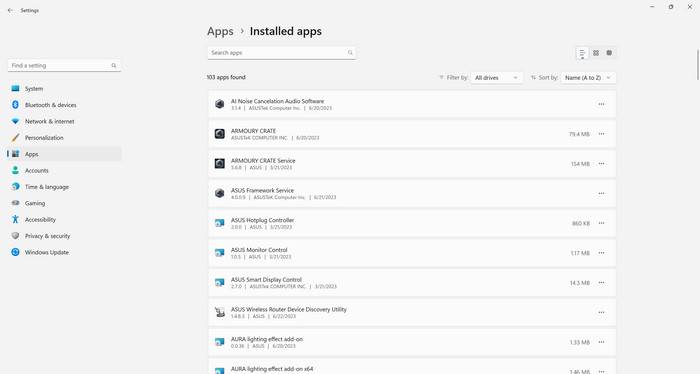
If you have decided to remove HP Power Assistant from your HP laptop, you can do so using the following steps:
- Click on the “Start” menu and open the “Control Panel”.
- Select “Programs” or “Programs and Features”.
- Locate “HP Power Assistant” in the list of installed programs.
- Click on “Uninstall” or “Remove”.
- Follow the on-screen prompts to complete the uninstallation process.
Alternatively, you can use a third-party uninstaller tool like Revo Uninstaller Free to remove HP Power Assistant. These tools often provide more thorough removal and can help clean up any leftover files or registry entries.
Conclusion
HP Power Assistant is a software program designed to help users manage power settings and optimize battery usage on HP laptops. Whether or not to remove it depends on your individual needs and preferences. If you rely heavily on your laptop’s battery, frequently switch between power profiles, or require maximum performance, HP Power Assistant can be a valuable tool. However, if you prefer to manage power settings manually or find that you do not use the program, you may choose to uninstall it.
Remember, if you decide to remove HP Power Assistant, it is recommended to use a reliable uninstaller tool like Revo Uninstaller Free to ensure a thorough removal process. This will help clean up any leftover files or registry entries associated with the program.
Ultimately, the decision to remove HP Power Assistant should be based on your specific needs and preferences. Consider the factors discussed in this article and make an informed decision that aligns with your usage patterns and requirements.

Join the discussion
0 commentsShare your experience or ask a question about this article.
Discussion
Start the conversation
Have a question or something useful to share? Add the first comment.