

When you purchase a new HP computer or printer, you may notice that it comes pre-installed with various software and services. One such service is the HP Registration Service, which is designed to help you register your device and provide access to updates, support, and warranty information. However, many users are unsure about whether they should keep this service or uninstall it. In this article, we will explore what the HP Registration Service is, its benefits, potential drawbacks, and provide insights to help you make an informed decision.
What is the HP Registration Service?
The HP Registration Service is a software program developed by Hewlett-Packard (HP) that comes pre-installed on many HP computers and printers. Its primary purpose is to simplify the registration process for new HP devices. When you first set up your computer or printer, the service prompts you to register your product by providing your contact information and other relevant details. This registration allows HP to keep track of your device, provide support, and send you updates and notifications.
Benefits of the HP Registration Service
The HP Registration Service offers several benefits to users:
- Easy Registration: The service streamlines the registration process, saving you time and effort.
- Access to Updates: By registering your device, you gain access to important software and firmware updates that can enhance performance, security, and compatibility.
- Warranty Information: The service helps you keep track of your device’s warranty status and provides information on how to contact HP support if needed.
- Product Support: Registered users can receive personalized support from HP’s customer service team, including troubleshooting assistance and guidance.
Should I Uninstall the HP Registration Service?
While the HP Registration Service offers valuable benefits, some users may still consider uninstalling it for various reasons:
- Resource Usage: Like any software running in the background, the HP Registration Service consumes system resources, albeit minimal. If you have limited system resources or prefer to optimize your device’s performance, you may choose to uninstall it.
- Privacy Concerns: Some users are wary of sharing their personal information with manufacturers. If you have concerns about privacy and data collection, you may decide to uninstall the service.
- Preference for Manual Updates: If you prefer to manually update your device’s software and firmware, you may not find the automatic updates provided by the HP Registration Service necessary.
How to Uninstall the HP Registration Service
If you have decided to uninstall the HP Registration Service, here’s how you can do it:
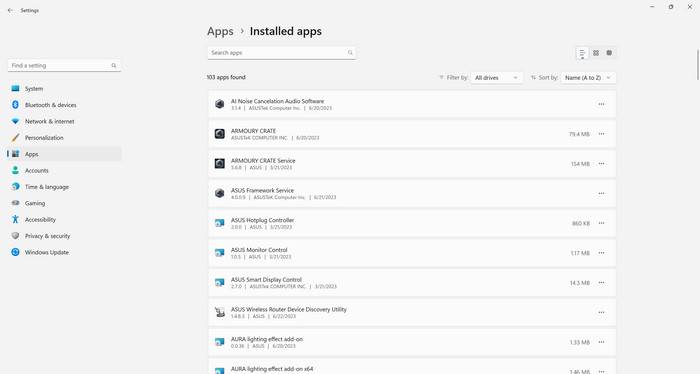
- Open the Control Panel on your Windows computer.
- Select “Programs” or “Programs and Features.”
- Locate the HP Registration Service in the list of installed programs.
- Right-click on it and select “Uninstall” or “Remove.”
- Follow the on-screen prompts to complete the uninstallation process.
It’s important to note that uninstalling the HP Registration Service will not affect the functionality of your HP device. You will still be able to use your computer or printer as usual.
Should I Scan for Malware After Uninstalling?
While the HP Registration Service is a legitimate program developed by HP, it’s always a good practice to scan your computer for malware after uninstalling any software. Malware can sometimes disguise itself as legitimate programs, and scanning your system can help ensure its security.
We recommend using Malwarebytes Free, a trusted and effective anti-malware tool, to scan your computer for any potential threats. Malwarebytes Free offers real-time protection and can help detect and remove malware, potentially unwanted programs, and other security risks.
Conclusion
The HP Registration Service by Hewlett-Packard is a software program that simplifies the registration process for new HP devices. It offers benefits such as easy registration, access to updates, warranty information, and product support. However, some users may choose to uninstall it due to resource usage, privacy concerns, or a preference for manual updates.
If you decide to uninstall the HP Registration Service, you can do so through the Control Panel on your Windows computer. Remember to scan your system for malware using a reliable tool like Malwarebytes Free to ensure the security of your device.
Ultimately, the decision to keep or uninstall the HP Registration Service depends on your personal preferences and requirements. Consider the benefits and drawbacks discussed in this article to make an informed choice that best suits your needs.

Join the discussion
0 commentsShare your experience or ask a question about this article.
Discussion
Start the conversation
Have a question or something useful to share? Add the first comment.