

When it comes to keeping your computer up to date, it’s important to understand the purpose and functionality of various software updates. One such update that you may have come across is the HP Update by Hewlett-Packard. In this article, we will delve into what HP Update is, how it works, and whether or not you should consider uninstalling it.
What is HP Update?
HP Update is a software program developed by Hewlett-Packard that is designed to keep your HP computer and its components up to date. It is typically pre-installed on HP computers and is responsible for checking for updates to various HP software and drivers.
HP Update works by periodically connecting to the HP servers to check for new updates. If any updates are found, it will download and install them automatically, ensuring that your computer is running the latest versions of HP software and drivers.
Should I Uninstall HP Update?
Now that we understand what HP Update is, let’s discuss whether or not you should consider uninstalling it. The decision to uninstall HP Update ultimately depends on your specific needs and preferences. Here are a few factors to consider:
1. Automatic Updates
One of the main benefits of HP Update is its ability to automatically download and install updates for your HP software and drivers. This ensures that you have the latest features, bug fixes, and security patches. If you value the convenience of automatic updates, then it may be beneficial to keep HP Update installed.
2. System Performance
Some users have reported that HP Update can consume system resources and slow down their computers. If you notice a significant decrease in performance or experience frequent system slowdowns, it may be worth considering uninstalling HP Update to see if it improves your computer’s performance.
3. Manual Updates
If you prefer to manually update your HP software and drivers, you may find HP Update unnecessary. Manually checking for updates allows you to have more control over the update process and choose which updates to install. In this case, uninstalling HP Update may be a viable option.
4. Security Concerns
Keeping your computer and its software up to date is crucial for maintaining security. Updates often include important security patches that protect your system from vulnerabilities. If you are concerned about security and want to ensure that your HP software and drivers are always up to date, it is recommended to keep HP Update installed.
How to Uninstall HP Update
If you have decided to uninstall HP Update, here are the steps to do so:
- Click on the “Start” menu and open the “Control Panel”.
- Select “Programs” or “Programs and Features”.
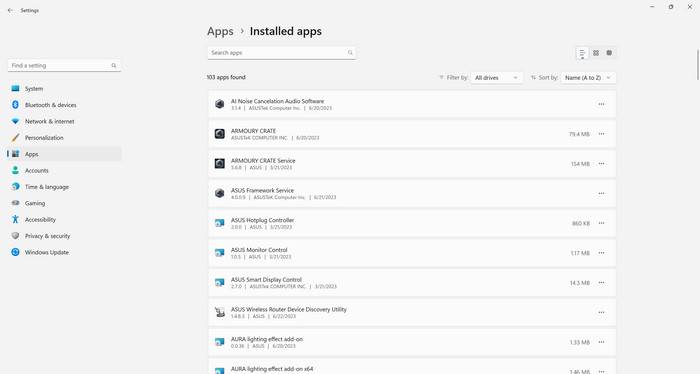
- Locate “HP Update” in the list of installed programs.
- Right-click on “HP Update” and select “Uninstall” or “Remove”.
- Follow the on-screen prompts to complete the uninstallation process.
After uninstalling HP Update, it is recommended to restart your computer to ensure that all changes take effect.
Alternative Options
If you decide to uninstall HP Update but still want to ensure that your computer is protected and up to date, there are alternative options available. One such option is to manually check for updates on the HP website. Visit the HP support page for your specific computer model and look for the latest software and driver updates.
Additionally, it is always a good idea to regularly scan your computer for malware. Malware can cause various issues, including performance degradation and security vulnerabilities. Consider using a reliable anti-malware program like Malwarebytes Free to scan your computer and remove any potential threats.
Conclusion
HP Update by Hewlett-Packard is a software program designed to keep your HP computer and its components up to date. Whether or not you should uninstall HP Update depends on your specific needs and preferences. Consider factors such as automatic updates, system performance, manual updates, and security concerns when making your decision.
If you do decide to uninstall HP Update, make sure to follow the proper steps outlined in this article. Additionally, consider alternative options for keeping your computer up to date, such as manually checking for updates on the HP website and regularly scanning for malware.
Remember, keeping your computer and its software up to date is essential for optimal performance, security, and functionality.

Join the discussion
0 commentsShare your experience or ask a question about this article.
Discussion
Start the conversation
Have a question or something useful to share? Add the first comment.