

When it comes to computer processes and files, it’s not uncommon for users to come across unfamiliar names that may raise concerns. One such file is hpqwmiex.exe. In this article, we will explore what hpqwmiex.exe is, its purpose, and whether or not it should be removed from your system.
Understanding hpqwmiex.exe
Hpqwmiex.exe is an executable file associated with Hewlett-Packard (HP) computers. It is part of the HP Quick Launch Buttons software, which is pre-installed on many HP laptops and desktops. The file is typically located in the “C:\Program Files\Hewlett-Packard\HP Quick Launch” directory.
The main purpose of hpqwmiex.exe is to manage the functionality of the Quick Launch buttons on HP devices. These buttons are designed to provide quick access to various system functions, such as volume control, wireless connectivity, and display settings. Hpqwmiex.exe ensures that these buttons work as intended and communicate with the underlying system software.
Is hpqwmiex.exe a Virus or Malware?
Given the prevalence of malware and viruses, it’s natural to be cautious when encountering unfamiliar files. However, hpqwmiex.exe is not inherently malicious. It is a legitimate file that comes bundled with HP computers and is necessary for the proper functioning of the Quick Launch buttons.
That being said, it’s important to note that malware or viruses can sometimes disguise themselves as legitimate files to avoid detection. If you suspect that hpqwmiex.exe is behaving suspiciously or causing issues on your system, it’s recommended to scan your computer for malware using a reliable antivirus or anti-malware software.
Malwarebytes Free is a popular choice for scanning and removing malware. It offers comprehensive protection against various types of threats and can help identify any potential issues related to hpqwmiex.exe.
Should I Remove hpqwmiex.exe?
In most cases, there is no need to remove hpqwmiex.exe from your system. As mentioned earlier, it is a legitimate file that is essential for the proper functioning of the Quick Launch buttons on HP devices. Removing it may result in the loss of functionality or cause other issues with your computer.
However, if you are experiencing problems related to hpqwmiex.exe, such as high CPU usage or system slowdowns, there are a few troubleshooting steps you can take:
- Update the HP Quick Launch Buttons software: Outdated software can sometimes cause compatibility issues or performance problems. Visit the official HP website and check for any available updates for the Quick Launch Buttons software. Install the updates and see if the issues persist.
- Perform a system scan: As mentioned earlier, scanning your computer for malware using reliable antivirus or anti-malware software can help identify any potential threats or issues related to hpqwmiex.exe. Consider using Malwarebytes Free for a thorough scan.
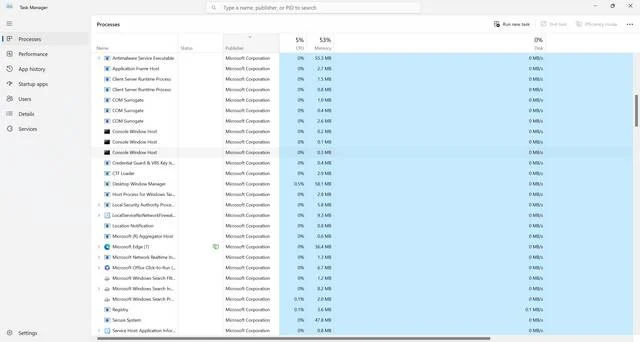
- Disable unnecessary startup programs: Sometimes, excessive startup programs can overload your system and cause performance issues. Use the Windows Task Manager or a third-party startup manager to disable any unnecessary programs from launching at startup.
If the above steps do not resolve the issues or if you are unsure about making changes to your system, it is recommended to seek assistance from a professional or contact HP support for further guidance.
Conclusion
Hpqwmiex.exe is a legitimate file associated with the HP Quick Launch Buttons software. It is responsible for managing the functionality of the Quick Launch buttons on HP devices. While it is not a virus or malware, it’s important to remain vigilant and scan your computer for potential threats if you suspect any suspicious behavior related to hpqwmiex.exe.
Removing hpqwmiex.exe is generally not recommended unless you are experiencing specific issues that can be resolved through troubleshooting steps such as updating the software or performing a system scan. If in doubt, it is always best to seek professional assistance or contact HP support for further guidance.
Remember to prioritize the security of your computer by regularly updating your antivirus or anti-malware software and practicing safe browsing habits. By staying informed and taking necessary precautions, you can ensure a smooth and secure computing experience.

Join the discussion
0 commentsShare your experience or ask a question about this article.
Discussion
Start the conversation
Have a question or something useful to share? Add the first comment.