


Nothing about Hypevault.org looks out of place. It has a modern crypto casino’s slick lobby and familiar games, plus a promo code that adds a big bonus at signup.
Cashing out is where the friendly feeling ends. That step is when Hypevault.org shows you the job it was built for.



Overview
A crypto casino dressed up to earn your trust
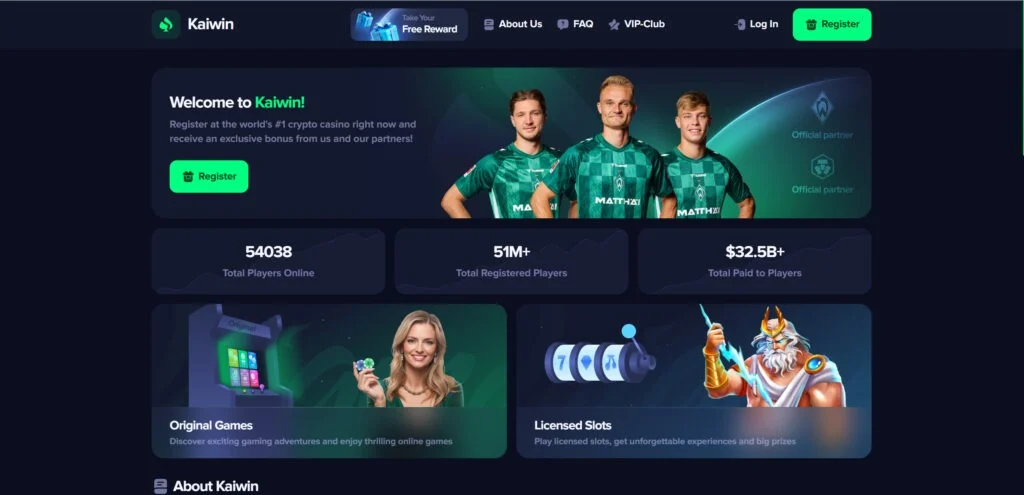
Hypevault.org introduces itself as a decentralized gaming platform and surrounds that claim with the familiar markers of a real crypto casino:
- Talk of being the “#1” platform, with no source anywhere to support it.
- Crypto jargon, including “blockchain,” “decentralized” and “provably fair.”
- Glossy lobby styling lifted from crypto casinos people already recognize.
- Crash, Plinko and Mines alongside slots, a lineup that feels familiar.
- An oversized bonus that pops up immediately after you create an account.
- Live tickers showing “recent wins” and “withdrawals,” scrolling endlessly.
At first glance, it all looks busy, modern and well funded. Hold it to the standard you’d use for anything that keeps your money, and the gaps start to appear.

The catch hiding behind the cash-out button
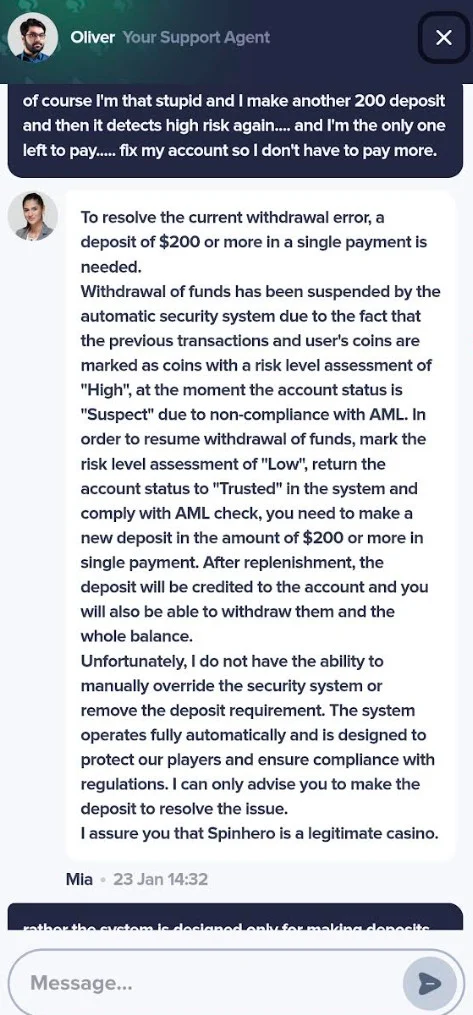
Nothing feels wrong while you sign up and play. Then you request your first withdrawal, and the site asks you to send a new crypto deposit to “verify” the account.
That deposit is the whole scam. Whatever you pay, another demand comes next. If you refuse, the balance on your screen stays exactly the same.
Expect the demand to carry an official-sounding label, usually something like:
- Verification deposit
- Activation fee
- Network fee
- Security deposit
- Wallet validation
Swap the label and nothing else changes: you still pay extra before you can reach a balance that’s supposedly yours already.

Our advice is simple. Hypevault.org is a fake crypto casino: don’t deposit, and don’t pay any “verification” or “activation” fee meant to unlock a withdrawal.
What Our Investigation Found on Hypevault.org
Here’s what stands out about Hypevault.org:
- Hypevault.org was registered on September 11, 2026, only 77 days ago.
- Hypevault.org is built from the same site kit as casino-golden.live, jodewin.com, vasawin.com and memoryhash.cc, which MalwareTips has already exposed as scams.
How the Hypevault.org Scam Works
The real ask doesn’t start until your first withdrawal. Every step before it, on every site running this scam, follows the same funnel and leads you there.
Step 1: Promo codes pop up in ads and group chats
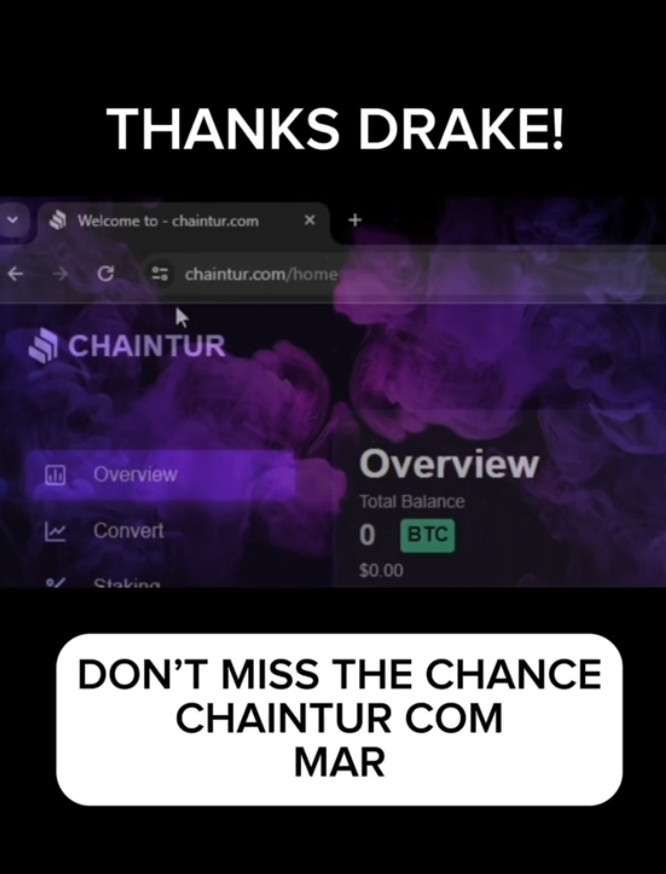
Sites like Hypevault.org are rarely something you search for and find. They’re pushed at you through TikTok clips, YouTube ads, Facebook and Instagram posts, or Discord and Telegram group messages.
The details shift, but the formula doesn’t: a promo code, a bonus worth thousands, a “limited time” warning, and screenshots of huge payouts or balances.
Checking loses out to speed on these channels. A clip is over in seconds, the code looks exclusive, and the comments are full of people claiming to have been paid.




Step 2: Getting an account takes seconds
Registration barely asks anything of you: no identity checks, no proof of address, and often not even a confirmation email.
The rush is intentional. Less time on the site before you play means less chance you’ll search for reviews and warnings.
Some versions skip the sign-up and ask for a wallet connection. Refuse every permission request. One approval can hand the site the power to drain your funds.
Step 3: A bonus balance lands in your account
You redeem the code and get a large bonus, often anywhere from $2,000 to $10,000. Then you play with money that was never really yours to begin with.
Many players see early wins. A rising balance makes you confident, and the next step, cashing out, starts to feel like a formality.
You’ll find Crash, Plinko, Mines, dice and slots, and they run smoothly. That smoothness isn’t evidence of anything; it’s designed to make you believe a withdrawal will work.

Step 4: Your first withdrawal gets blocked
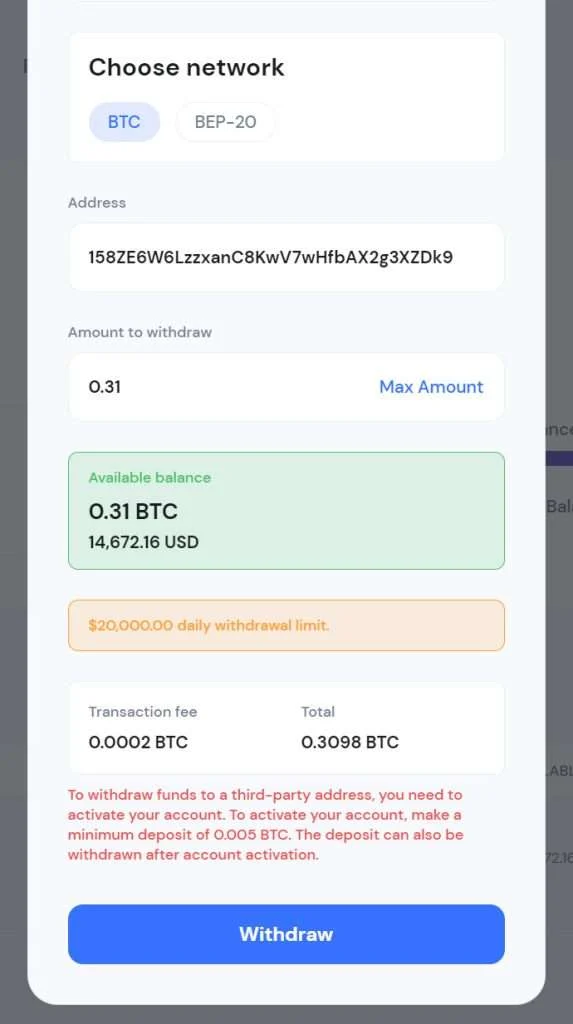
Withdrawing is where the tone turns. You’re shown a message about verification, a locked wallet or a minimum deposit, not a payout:
- “Withdrawals are locked until verification is complete”
- “Minimum deposit required to withdraw”
- “You must verify your wallet before payout”
- “Security check in progress”
You won’t see a flat “you can’t withdraw” here. Every message says you can, once you finish one more step. That keeps your hope going.
Step 5: The ask: a “verification deposit”
This is the step that takes your money. The site or support chat wants a new crypto deposit, commonly between $100 and $500, to “activate” withdrawals.
Some sites add extra pressure: a countdown, or a payout shown as “pending.” Whatever you send, that payout never arrives.
Step 6: New fees, then nobody answers
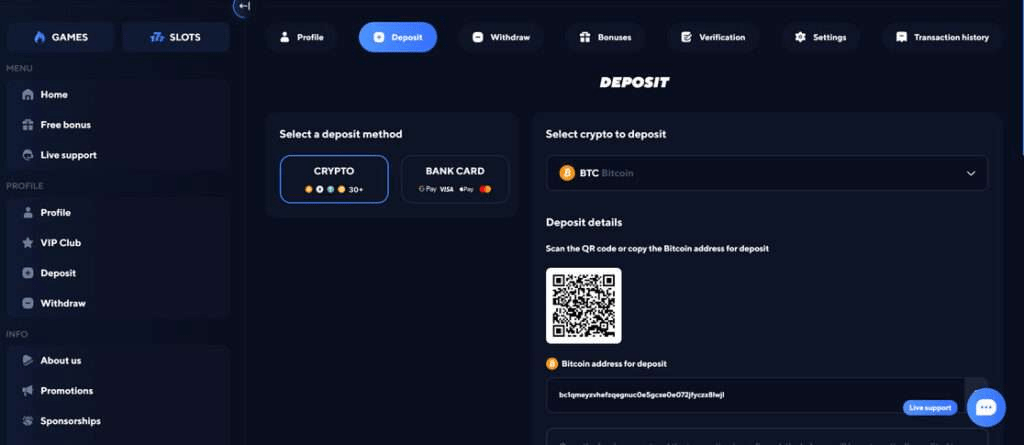
Send the fee and the goalposts move. Now there’s a higher verification tier, a VIP upgrade, a tax on your winnings or a bigger deposit to cover.
Messages meant to stall you are common as well, from “your withdrawal is pending” and “try again later” to “you chose the wrong network.”
Friendliness lasts exactly as long as your deposits. When you won’t pay again, replies come slower and vaguer until they stop altogether.
Red Flags at Hypevault.org
The first sign is enough on its own. Most of the others can turn up separately, but stacked together they point to the crypto casino scam kit behind Hypevault.org.
A required deposit before any payout
One sign decides the whole thing. You’re shown a winning balance, then told to deposit more before it can be released. That means there’s no payout at all.
Here’s the giveaway: an honest site would deduct any fee from your payout. Only a scammer needs you to send a separate transfer to “unlock” your balance first.
A giveaway too big to believe
A bonus worth thousands, with no strings at all, is bait rather than a promotion. Welcome offers from real casinos carry clear limits and wagering rules.
Check for bonus terms. On sites like this they’re usually missing, vague or copied, and they never explain how the bonus could actually be withdrawn.
The activity ticker never takes a break
You’ll see players online, recent wins and fresh withdrawals scrolling past without end. On sites like this, those numbers usually come from a scripted animation, not real players.
Try reloading the page a few times. The same usernames and amounts tend to reappear, a sign the feed is looping rather than pulling live data.
No checkable operator, license or complaint process
A real gambling site tells you who’s behind it, who licensed it and where disputes go. Fake casinos like Hypevault.org usually leave those out or invent them.
Treat the site as unlicensed if it gives no license number or the number doesn’t match the regulator’s own register. Search there directly.
Open sign-up, locked cash-out
The reversal is the trap: sign-up takes seconds with no checks, but a cash-out suddenly requires “verification.”
A proper casino wants your ID documents, at sign-up or before it releases your first payout. It won’t ask you to send crypto as verification.
Support agents who only bring up deposits
You ask about your withdrawal, clearly and directly. Support answers with a reason to pay. A real support team explains the delay without asking you for another payment.
Deposits in crypto only, never by card
Sites like this deal in crypto deposits only because a crypto payment is almost impossible to claw back.
Same Scam Playbook, Different Domains
If Hypevault.org looks familiar, that’s because it isn’t a one-off. A long list of domains that come and go use the same layout, games, bonus pitch and withdrawal message.
Line them up, and the matching fingerprints are easy to spot:
- Headlines written the same way, such as “Decentralized Crypto Gaming Platform #1”
- Matching layouts, game carousels and game lists
- A matching bonus pitch that promises far too much
- The same note saying you must deposit before anything gets paid out
Lookalikes from the same kit include these domains:
- Bunodex.com
- TryGamb.cc
- Olympus-games.net
- KaiWin.cc
- Betaras.com
- Bezhope.bet
- Acegam.com
- 8BitWin.com
- 7Spiny.com
- Nexusball.com
- Germibet.cc
- Telaxplay.com
- EnyBex.com
- Roarax.com
- Siodex.com
- RuseWin.cc
- Epicdrops.life
The lobby name shifts with every new domain. The withdrawal message is always the tell.
Spot these fingerprints on a site? Don’t send it any money to prove it’s honest. Not sure about a casino? Run the free test below.
Why there’s always a fresh domain
For the people behind these sites, a new domain solves several problems at once:
- Complaints and bad reviews don’t follow them to the new domain.
- Ads go on running under a “clean” new address.
- A search for the new name shows no warnings so far.
- The more domains that run the same funnel, the more people it reaches.
What counts is the behavior, not the name. Each fresh domain still arrives at the same withdrawal wall.
The Withdrawal Wall Test
Can’t tell whether to trust a crypto casino? Try this quick test before any money goes in.
A two-minute test before any deposit
- Open an account using a spare email you can throw away and a brand-new password, then jump to the withdrawal page.
- Ask to cash out a tiny slice of the bonus, as little as $10.
- Pay close attention to what the message says.
- The wall looks like a request for a deposit, a fee, a wallet connection or a “wallet verification” transfer. See any of them at any point? Don’t deposit.
Catching the wall early costs nothing at all. Catching it after you deposit can mean losing everything you transferred.
How the trap sounds in writing
Any of these lines tells you it’s the same playbook:
- “Verification deposit required to withdraw”
- “Activate withdrawals by making a deposit”
- “Pay the network fee to process your withdrawal”
- “One final step to unlock your funds”
Test it with one simple question
Ask support to deduct the fee from your withdrawal. If nothing ever lands in your wallet, don’t pay. Save the chat and walk away.
What to Do If You Have Fallen Victim to This Scam
Already handed over a deposit? Your goal now is to cut your losses, protect your accounts and keep the evidence investigators will need.
- Don’t pay again. Skip any further verification deposit, activation fee or network fee. Paying only brings the next demand.
- Screenshot it all. That means your balance, the withdrawal messages and every support chat. Also keep a list of the promo code, the deposit addresses and each transaction hash.
- Alert the exchange you used. If your payment went out through an exchange, give them the recipient address, transaction hash, amount and date so they may flag the wallet.
- Shore up your accounts. Update your email and exchange passwords and add two-factor authentication. If you approved wallet permissions on the site, revoke them.
- Clear your device. If you installed an app or extension because of the casino, get rid of it and scan with Malwarebytes Free.
- Watch for recovery scams. If someone offers to retrieve your crypto for an upfront fee, you’re looking at a second scam. The FBI specifically warns about it.
- Report it. US residents can file with ReportFraud.ftc.gov and the FBI’s Internet Crime Complaint Center (IC3). Outside the US, go to your national cybercrime unit or local police.
- Flag the ads. On the platform where you saw the promotion, report the ad itself, the account behind it and the promo code.
- Cut off the source. Casinos like this recruit players with ads and fake posts. With AdGuard in your browser, many malicious ads and pop-ups are blocked, so fewer reach you.
- Warn others plainly. A brief post that sticks to the facts (the bonus, the deposit demand, the wallet address) helps other people spot this trap too.
Crypto transfers are hard to undo, which makes speed your most important tool. The earlier the exchange and the authorities get the details, the better.
Frequently Asked Questions
Is Hypevault.org a legitimate crypto casino?
No. Hypevault.org is a fake crypto casino. It lets you play with a bonus balance first. After that, every withdrawal request gets the same reply: deposit again.
The same trap, layout and all, runs on many other domains. Finding no warnings online about a new name is not a reason to trust a site as safe.
Is the sign-up bonus real money?
No. The bonus is just a number on the screen, there to get you playing. No deposit you make will ever turn it into a payout.
Can I withdraw my winnings from Hypevault.org?
No. The payout never arrives. Withdrawals sit behind a “verification” deposit, and each payment you make only opens the door to another demand.
Why does Hypevault.org want a deposit to verify my account?
Because the deposit is what the scam is after. Real platforms verify identity with documents rather than a crypto payment.
“Verification” sounds like a normal step, and that’s the point. The payment is really an advance fee: more money from you to unlock a balance that isn’t real.
I already paid the verification deposit. Should I pay again?
No. What you get for each payment is another hoop to jump through, not your money. Stop paying, collect your evidence and report the transactions to your exchange.
Can someone recover my crypto for a fee?
Be very careful. A common second scam goes after people who just lost funds, and it arrives as a recovery offer asking for money upfront.
An upfront fee is the red flag here, and the FBI’s IC3 warns about it specifically. Report the loss to the authorities instead, at no cost to you.
The Bottom Line
Hypevault.org is a fake crypto casino. The bonus and the busy lobby are there to bring you to one place: a deposit demand at the first withdrawal.
Here is what to do: stay off Hypevault.org’s deposit page and never pay to unlock a withdrawal. Crypto gambling should happen on a licensed platform with a named operator.
For anyone who has already paid: no more payments. Hold on to every screenshot and transaction hash, and report those wallet addresses to your exchange and to the authorities today.

Reviews & discussion
0 commentsShare a firsthand experience, or ask a question.
Community reviews
hypevault.org
Moderated reader experiences, not an editorial verdict.
Start the conversation
Have a question or something useful to share? Add the first comment.