

When it comes to audio on your computer, you may have come across a program called IDT Audio. This software is commonly found on laptops and desktops and is responsible for managing the audio settings and controls. However, many users are unsure about what IDT Audio is and whether they should uninstall it. In this article, we will explore the details of IDT Audio, its features, potential issues, and whether or not it is necessary to keep it installed on your system.
What is IDT Audio?
IDT Audio, also known as IDT High Definition Audio Codec, is a software component developed by IDT (Integrated Device Technology) that provides audio functionality for computers. It is commonly found on laptops and desktops that use IDT audio hardware. The software acts as a driver and control panel for the audio hardware, allowing users to adjust various audio settings such as volume, equalizer, and audio enhancements.
One of the key features of IDT Audio is its ability to provide high-quality audio output. It supports various audio formats and provides advanced audio processing capabilities, ensuring a rich and immersive audio experience for users. Additionally, IDT Audio often comes bundled with additional audio enhancement features, such as surround sound simulation and noise cancellation, which can further enhance the audio quality.
Should I Uninstall IDT Audio?
While IDT Audio is an essential component for managing audio on your computer, there are certain scenarios where uninstalling it may be necessary or beneficial. Here are a few situations where you might consider uninstalling IDT Audio:
- If you are experiencing audio issues: In some cases, IDT Audio may conflict with other audio drivers or software on your system, leading to audio problems such as distorted sound or no sound at all. If you are facing such issues and have tried other troubleshooting steps without success, uninstalling and reinstalling IDT Audio may help resolve the problem.
- If you prefer using third-party audio software: Some users prefer using third-party audio software or drivers that offer additional features or customization options. If you have installed such software and no longer require IDT Audio, uninstalling it can free up system resources and prevent any potential conflicts between the two.
- If you suspect malware or unwanted behavior: While IDT Audio itself is not malicious, it is possible for malware or unwanted programs to disguise themselves as legitimate audio drivers. If you suspect that IDT Audio on your system is not genuine or is causing suspicious behavior, it is recommended to scan your computer for malware using a reliable antivirus or anti-malware software like Malwarebytes Free.
Before uninstalling IDT Audio, it is important to note that removing it may result in the loss of certain audio features and functionalities. If you are unsure about whether to uninstall IDT Audio, it is recommended to seek assistance from a technical expert or consult the manufacturer’s support documentation for your specific computer model.
How to Uninstall IDT Audio?
If you have decided to uninstall IDT Audio, here are the general steps to follow:
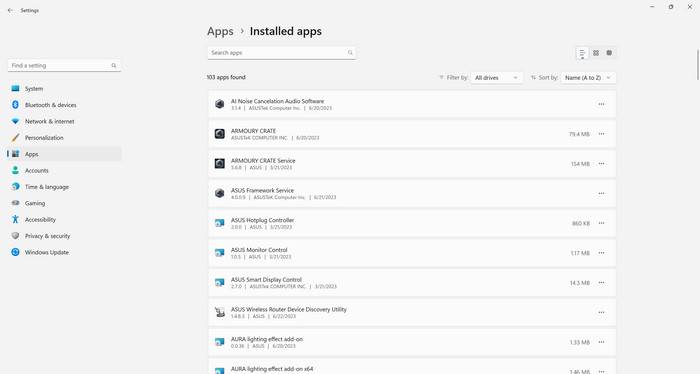
- Open the Control Panel on your computer by searching for it in the Start menu or using the Windows key + X shortcut and selecting Control Panel.
- In the Control Panel, navigate to the “Programs” or “Programs and Features” section.
- Locate IDT Audio in the list of installed programs.
- Right-click on IDT Audio and select “Uninstall” or “Remove”.
- Follow the on-screen prompts to complete the uninstallation process.
After uninstalling IDT Audio, it is recommended to restart your computer to ensure that any remaining files or settings are properly removed. If you encounter any issues during the uninstallation process or face audio problems after uninstalling IDT Audio, it is advisable to seek assistance from a technical expert or consult the manufacturer’s support documentation.
Conclusion
IDT Audio is a software component that provides audio functionality for computers, particularly those with IDT audio hardware. While it offers various features and controls for managing audio settings, there may be situations where uninstalling IDT Audio is necessary or beneficial. If you are experiencing audio issues, prefer using third-party audio software, or suspect malware or unwanted behavior, uninstalling IDT Audio may be a viable solution. However, it is important to consider the potential loss of audio features and functionalities before proceeding with the uninstallation. If you are unsure, it is recommended to seek assistance from a technical expert or consult the manufacturer’s support documentation for your specific computer model.

Join the discussion
0 commentsShare your experience or ask a question about this article.
Discussion
Start the conversation
Have a question or something useful to share? Add the first comment.