

Phishing emails have become a common method for cybercriminals to steal personal and financial information from unsuspecting individuals. One prevalent type of phishing email is the “Important Information About Your Credit Card” scam. In this article, we will explore what this scam is, how it works, what to do if you have fallen victim, and provide valuable insights to help you protect yourself from such scams.
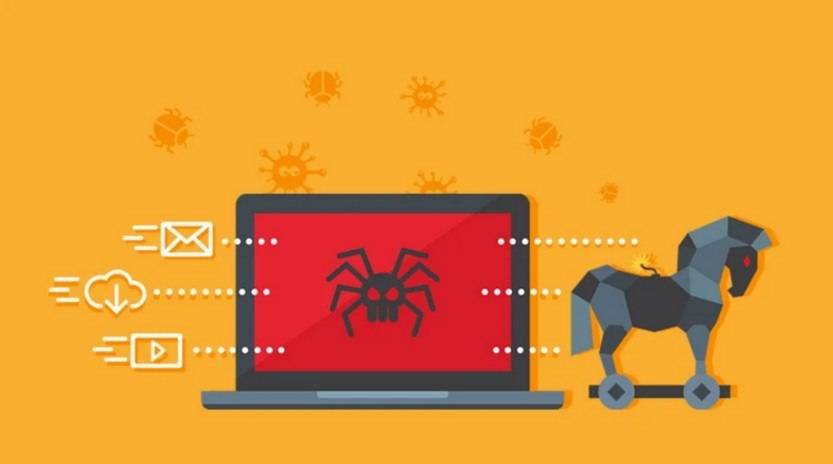
What is the “Important Information About Your Credit Card” Phishing Email?
The “Important Information About Your Credit Card” phishing email is a fraudulent email that appears to be sent by a legitimate financial institution or credit card company. The email typically contains alarming subject lines such as “Urgent Action Required” or “Account Security Alert,” designed to create a sense of urgency and prompt the recipient to take immediate action.
The email often includes the company’s logo, official-looking graphics, and a convincing email address. It may also contain a link that directs the recipient to a fake website that closely resembles the legitimate company’s website. The goal of this scam is to trick the recipient into providing their credit card details, login credentials, or other sensitive information.
How Does the “Important Information About Your Credit Card” Scam Work?
The “Important Information About Your Credit Card” scam typically follows a similar pattern:
- The phishing email is sent to a large number of recipients, hoping that some will fall for the scam.
- The email appears to be from a well-known financial institution or credit card company, creating a sense of trust.
- The email contains urgent language and requests the recipient to click on a link or download an attachment.
- If the recipient clicks on the link, they are directed to a fake website that closely resembles the legitimate company’s website.
- The fake website prompts the recipient to enter their credit card details, login credentials, or other personal information.
- Once the recipient provides the requested information, the cybercriminals behind the scam can use it for fraudulent activities, such as making unauthorized purchases or identity theft.
What to Do If You Have Fallen Victim to the Scam?
If you have fallen victim to the “Important Information About Your Credit Card” phishing email, it is crucial to take immediate action to minimize the potential damage:
- Change your passwords: If you have provided your login credentials, change your passwords for all your online accounts immediately. Use strong, unique passwords for each account.
- Contact your financial institution: Inform your bank or credit card company about the scam and follow their instructions. They can help monitor your accounts for any suspicious activity.
- Scan your device for malware: Phishing emails often contain malicious attachments or links that can infect your device with malware. Run a scan with a reliable antivirus software like Malwarebytes Free to detect and remove any potential threats.
- Monitor your accounts: Regularly review your bank and credit card statements for any unauthorized transactions. Report any suspicious activity to your financial institution immediately.
- Be cautious in the future: Learn from the experience and be vigilant when dealing with emails or messages requesting personal or financial information. Verify the legitimacy of the sender before taking any action.
Protecting Yourself from Phishing Scams
Prevention is always better than cure when it comes to phishing scams. Here are some tips to help you protect yourself:
- Be skeptical of unsolicited emails: Be cautious when receiving emails from unknown senders, especially if they request personal or financial information.
- Verify the sender’s identity: Check the email address and domain of the sender. Legitimate companies usually have official email addresses that match their domain.
- Hover over links: Before clicking on any links in an email, hover your mouse over them to see the actual URL. If it looks suspicious or different from what you expect, do not click on it.
- Keep your software up to date: Regularly update your operating system, web browsers, and antivirus software to ensure you have the latest security patches.
- Enable two-factor authentication: Enable two-factor authentication whenever possible to add an extra layer of security to your online accounts.
Summary
The “Important Information About Your Credit Card” phishing email is a common scam used by cybercriminals to steal personal and financial information. It tricks recipients into providing sensitive information by creating a sense of urgency and using convincing tactics. If you have fallen victim to such a scam, take immediate action by changing passwords, contacting your financial institution, and scanning your device for malware. To protect yourself, be skeptical of unsolicited emails, verify the sender’s identity, and keep your software up to date. By staying vigilant and following these precautions, you can reduce the risk of falling victim to phishing scams and protect your personal information.

Join the discussion
0 commentsShare your experience or ask a question about this article.
Discussion
Start the conversation
Have a question or something useful to share? Add the first comment.