

When it comes to computer processes and files, it’s not uncommon for users to come across unfamiliar names that may raise concerns. One such file is intelcphdcpsvc.exe. In this article, we will delve into what intelcphdcpsvc.exe is, whether you should remove it, and whether it is malware or not.
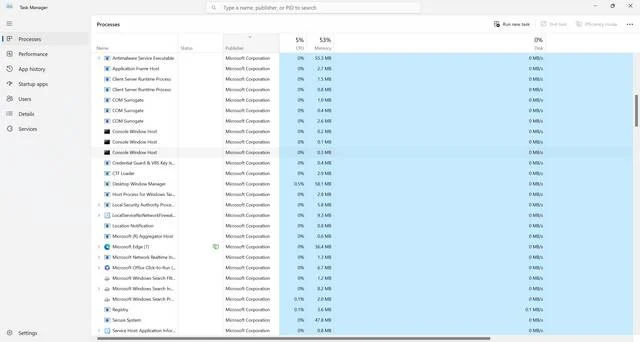
What is intelcphdcpsvc.exe?
Intercphdcpsvc.exe is a legitimate executable file associated with Intel® HD Graphics Control Panel Service. It is a part of the Intel Graphics Driver package, which is responsible for managing and controlling the graphics settings on your computer. The file is typically located in the “C:\Program Files\Intel\Intel(R) HD Graphics” folder.
Intel HD Graphics Control Panel Service is designed to enhance the visual experience on systems equipped with Intel integrated graphics. It allows users to adjust various display settings, such as resolution, color depth, and multiple monitor configurations. The service runs in the background to ensure these settings are applied and maintained.
Should I remove intelcphdcpsvc.exe?
In most cases, there is no need to remove intelcphdcpsvc.exe from your system. It is a legitimate and essential component of the Intel Graphics Driver package. Removing it may result in the loss of important graphics functionality and could potentially cause issues with your computer’s display.
However, there are a few scenarios where you might consider removing or disabling intelcphdcpsvc.exe:
- If you are experiencing performance issues or conflicts related to the Intel Graphics Driver, you may try reinstalling or updating the driver. This process may automatically replace the intelcphdcpsvc.exe file with a fresh copy, potentially resolving any problems.
- If you have a dedicated graphics card from another manufacturer (e.g., NVIDIA or AMD) and do not use Intel integrated graphics, you may choose to disable the Intel HD Graphics Control Panel Service to free up system resources. However, exercise caution and ensure that your dedicated graphics card is functioning correctly before disabling the service.
- If you suspect that intelcphdcpsvc.exe is infected with malware, it is crucial to take appropriate action. Malware can sometimes disguise itself as legitimate files to avoid detection. We will explore this possibility in the next section.
Is intelcphdcpsvc.exe malware?
While intelcphdcpsvc.exe is a legitimate file, it is essential to remain vigilant and ensure that your system is not compromised by malware. Malware can sometimes use filenames that resemble legitimate processes to deceive users and evade detection.
To determine if intelcphdcpsvc.exe is malware, you can follow these steps:
- Perform a full system scan using a reputable antivirus software. We recommend using Malwarebytes Free, which is known for its effectiveness in detecting and removing malware.
- Keep your antivirus software and operating system up to date to ensure you have the latest security patches and definitions.
- Monitor your system for any unusual behavior, such as sudden performance degradation, unexpected pop-ups, or unauthorized network activity.
If your antivirus scan detects intelcphdcpsvc.exe or any other file associated with it as malware, follow the recommended actions provided by your antivirus software to remove or quarantine the threat.
Summary
Intelcphdcpsvc.exe is a legitimate executable file associated with Intel HD Graphics Control Panel Service. It is responsible for managing and controlling graphics settings on your computer. In most cases, there is no need to remove intelcphdcpsvc.exe, as it is an essential component of the Intel Graphics Driver package.
However, if you are experiencing performance issues or conflicts related to the Intel Graphics Driver, you may consider reinstalling or updating the driver. If you have a dedicated graphics card from another manufacturer and do not use Intel integrated graphics, you can choose to disable the Intel HD Graphics Control Panel Service to free up system resources.
While intelcphdcpsvc.exe is not malware itself, it is crucial to remain vigilant and ensure that your system is not compromised. Perform regular antivirus scans, keep your software up to date, and monitor your system for any unusual behavior. If your antivirus software detects intelcphdcpsvc.exe or any associated files as malware, follow the recommended actions to remove or quarantine the threat.

Join the discussion
0 commentsShare your experience or ask a question about this article.
Discussion
Start the conversation
Have a question or something useful to share? Add the first comment.