

When you open the Task Manager on your Windows computer, you may come across a process called “Intel(R) System Usage Report Service.” This process might raise some questions and concerns, especially if you are not familiar with it. In this article, we will explore what the Intel(R) System Usage Report Service process is, why it is running in Task Manager, and whether it poses any risks to your system.
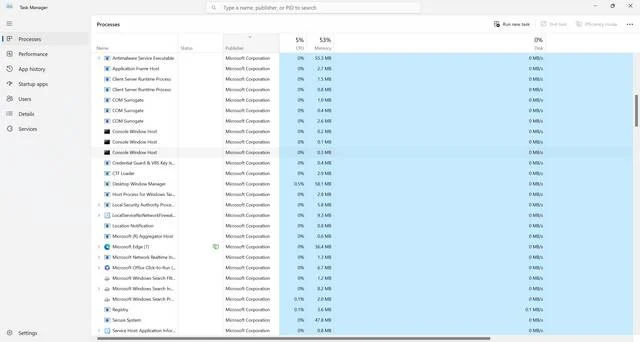
Understanding the Intel(R) System Usage Report Service Process
The Intel(R) System Usage Report Service process, also known as “Intel(R) SURS,” is a legitimate background service provided by Intel. It is designed to collect and analyze system usage data to help Intel improve their products and services. The process runs in the background and periodically sends usage reports to Intel, providing valuable insights into how their hardware and software are being utilized by users.
Intel uses the data collected by the System Usage Report Service to identify potential issues, improve performance, and develop new features. This information helps Intel make informed decisions about product development and support, ultimately benefiting users by delivering better-performing and more reliable hardware and software.
Why Is the Intel(R) System Usage Report Service Running in Task Manager?
Seeing the Intel(R) System Usage Report Service process running in Task Manager is completely normal and expected if you have an Intel processor in your computer. It is a built-in service that comes with Intel processors and is automatically installed as part of the Intel software package.
The reason why the process appears in Task Manager is that it is actively running in the background, collecting and sending system usage data to Intel. This process ensures that the data is continuously being gathered and transmitted to Intel’s servers for analysis.
Is the Intel(R) System Usage Report Service Process Safe?
Yes, the Intel(R) System Usage Report Service process is safe and does not pose any risks to your system. It is a legitimate service provided by Intel and is not associated with any malicious activities. However, it is always important to exercise caution and verify the legitimacy of any processes running on your computer.
If you are concerned about the Intel(R) System Usage Report Service process or suspect that it may be a malware masquerading as the legitimate service, it is recommended to scan your system for viruses and malware. One reliable and effective tool for this purpose is Malwarebytes Free. It can help detect and remove any potential threats, providing you with peace of mind.
How to Disable the Intel(R) System Usage Report Service Process
If you prefer not to have the Intel(R) System Usage Report Service process running on your computer, you have the option to disable it. However, keep in mind that disabling this service means that Intel will no longer receive usage reports from your system, which may impact their ability to improve their products and services.
To disable the Intel(R) System Usage Report Service process, follow these steps:
- Open the “Task Manager” by right-clicking on the taskbar and selecting “Task Manager” from the context menu.
- Click on the “Services” tab.
- Scroll down and locate the “Intel(R) System Usage Report Service” process.
- Right-click on the process and select “Stop” or “Disable” from the options.
It is important to note that the steps to disable the service may vary slightly depending on your Windows version and configuration. If you are unsure or uncomfortable with modifying system settings, it is recommended to seek assistance from a knowledgeable professional.
Summary
The Intel(R) System Usage Report Service process is a legitimate background service provided by Intel. It collects and analyzes system usage data to help Intel improve their products and services. Seeing this process running in Task Manager is normal and does not pose any risks to your system.
If you have concerns about the process or suspect malware, it is advisable to scan your system using a reliable tool like Malwarebytes Free. Disabling the service is an option, but it may impact Intel’s ability to gather valuable usage data for product development and support.
Remember, it is always important to stay vigilant and verify the legitimacy of processes running on your computer to ensure the security and optimal performance of your system.

Join the discussion
0 commentsShare your experience or ask a question about this article.
Discussion
Start the conversation
Have a question or something useful to share? Add the first comment.