

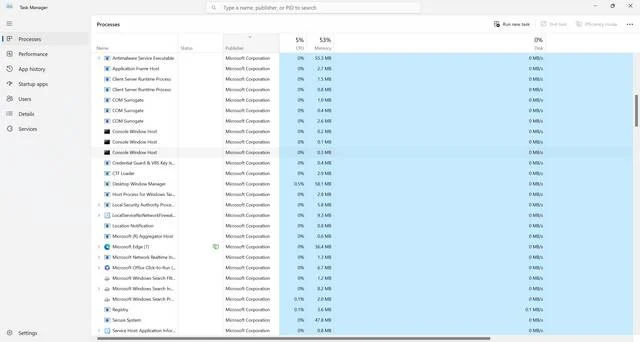
When you open the Task Manager on your Windows computer, you may come across a process called “IP Helper” running in the background. This can be a cause for concern for some users who are unfamiliar with this process and its purpose. In this article, we will explore what the IP Helper process is, why it is running in Task Manager, and whether it is something you should be worried about.
Understanding the IP Helper Process
The IP Helper process, also known as “iphlpsvc,” is a Windows service that provides support for IPv6 transition technologies. IPv6 is the latest version of the Internet Protocol that allows for a larger number of unique IP addresses compared to its predecessor, IPv4. As the world transitions from IPv4 to IPv6, the IP Helper process plays a crucial role in facilitating this transition.
The IP Helper process provides various functions related to IPv6, including:
- IPv6 transition technologies such as 6to4, ISATAP, and Teredo
- IPv6 over IPv4 tunneling
- IPv6 neighbor discovery
- IPv6 routing protocols
These functions are essential for ensuring that your computer can communicate with IPv6-enabled networks and devices. The IP Helper process runs in the background to handle these tasks and ensure a seamless transition to IPv6.
Why Is the IP Helper Process Running in Task Manager?
Seeing the IP Helper process running in Task Manager is completely normal and expected on a Windows computer. It is a system service that starts automatically when your computer boots up. The process is necessary for the proper functioning of IPv6-related services and protocols.
If you are not actively using IPv6 or do not have any IPv6-enabled devices or networks in your environment, you may wonder why the IP Helper process is running. The reason is that Windows includes the IP Helper process by default to ensure compatibility and support for future network technologies.
Even if you are not currently using IPv6, it is recommended to keep the IP Helper process enabled. Disabling it may cause compatibility issues with certain applications or services that rely on IPv6-related functionality. Additionally, disabling the IP Helper process may prevent your computer from properly connecting to IPv6 networks in the future.
Should You Be Concerned?
The presence of the IP Helper process in Task Manager is not a cause for concern in most cases. It is a legitimate system process that is essential for the proper functioning of IPv6-related services and protocols. However, as with any process running on your computer, it is essential to ensure that it is not being exploited by malware or viruses.
If you suspect that the IP Helper process is behaving suspiciously or causing performance issues on your computer, it is recommended to scan your system for malware or viruses. One reliable tool for this purpose is Malwarebytes Free. Malwarebytes is a trusted antivirus and anti-malware software that can help detect and remove any potential threats.
It is worth noting that malware or viruses can sometimes disguise themselves as legitimate system processes, including the IP Helper process. Therefore, it is crucial to keep your antivirus software up to date and perform regular scans to ensure the security of your computer.
Conclusion
The IP Helper process is a system service in Windows that provides support for IPv6 transition technologies. It is responsible for various functions related to IPv6, ensuring compatibility and support for future network technologies. Seeing the IP Helper process running in Task Manager is normal and expected, even if you are not actively using IPv6.
While the IP Helper process is generally harmless, it is essential to stay vigilant and ensure that it is not being exploited by malware or viruses. Regularly scanning your system with reliable antivirus software, such as Malwarebytes Free, can help detect and remove any potential threats.
By understanding the purpose of the IP Helper process and taking necessary security precautions, you can ensure the smooth operation of your computer and stay protected from potential threats.

Join the discussion
0 commentsShare your experience or ask a question about this article.
Discussion
Start the conversation
Have a question or something useful to share? Add the first comment.