

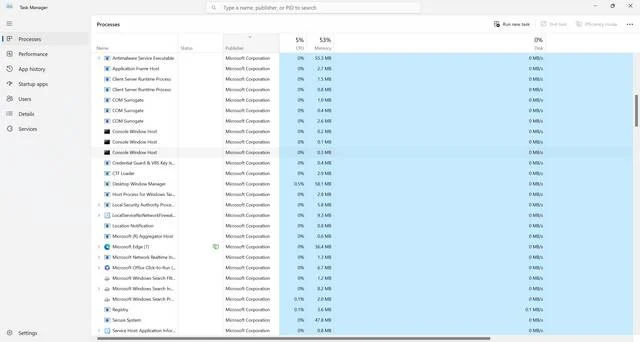
When you open the Windows Task Manager, you may come across a process called “iphlpsvc.exe” running in the background. This may raise concerns and questions about its purpose and whether it is safe to keep it on your system. In this article, we will explore what iphlpsvc.exe is, its functions, and whether you should remove it from your computer.
What is iphlpsvc.exe?
Iphlpsvc.exe is an executable file that stands for “IP Helper Service.” It is a legitimate Windows system process that is responsible for providing support for IPv6 connectivity and transition technologies. IPv6 is the latest version of the Internet Protocol, which allows for a larger number of unique IP addresses and improved network security.
The IP Helper Service assists in the automatic configuration of network interfaces, tunnel connectivity, and routing for IPv6. It also provides support for other networking technologies, such as Teredo, 6to4, and ISATAP, which help in the transition from IPv4 to IPv6.
Is iphlpsvc.exe safe?
Yes, iphlpsvc.exe is a safe and essential system process for the proper functioning of your Windows operating system. It is a core component of the networking infrastructure and is required for various network-related tasks.
However, it is important to note that malware or viruses can sometimes disguise themselves as legitimate system processes. Therefore, it is crucial to ensure that the iphlpsvc.exe process running on your system is not a malicious file.
If you suspect that the iphlpsvc.exe process on your computer is malicious, it is recommended to scan your system with reliable antivirus or anti-malware software. One such trusted software is Malwarebytes Free, which can detect and remove various types of malware.
How to check if iphlpsvc.exe is legitimate?
To verify the legitimacy of the iphlpsvc.exe process running on your system, you can follow these steps:
- Open the Windows Task Manager by pressing Ctrl + Shift + Esc or right-clicking on the taskbar and selecting “Task Manager.”
- Click on the Processes tab.
- Locate and right-click on the iphlpsvc.exe process.
- Select Properties from the context menu.
- In the Properties window, check the Location field to see if the file is located in the C:\Windows\System32 folder. This is the default location for legitimate system processes.
- Additionally, you can also check the Digital Signatures tab in the Properties window to see if the file is signed by Microsoft Corporation.
If the iphlpsvc.exe process passes these checks, it is likely to be legitimate. However, if you notice any suspicious behavior or find the process located in a different folder, it is advisable to further investigate or seek professional assistance.
Should I remove iphlpsvc.exe?
No, you should not remove the iphlpsvc.exe process from your system. As mentioned earlier, it is a critical component of the Windows networking infrastructure and is necessary for proper network functionality, especially for IPv6 connectivity and transition technologies.
Removing or disabling the iphlpsvc.exe process can lead to network connectivity issues, hinder the functioning of certain applications, and cause other networking-related problems.
However, if you suspect that the iphlpsvc.exe process is causing performance issues or abnormal behavior on your system, it is recommended to perform a thorough scan with reliable antivirus or anti-malware software, such as Malwarebytes Free.
Additionally, you can also try restarting your computer or updating your network drivers to resolve any potential issues related to the iphlpsvc.exe process.
Conclusion
Iphlpsvc.exe is a legitimate Windows system process that plays a crucial role in providing support for IPv6 connectivity and transition technologies. It is a safe and essential component of the networking infrastructure and should not be removed from your system.
However, it is important to ensure that the iphlpsvc.exe process running on your computer is not a malicious file. Regularly scanning your system with reliable antivirus or anti-malware software, such as Malwarebytes Free, can help detect and remove any potential threats.
By understanding the purpose and importance of iphlpsvc.exe, you can make informed decisions regarding its presence on your system and ensure the smooth functioning of your network connectivity.

Join the discussion
0 commentsShare your experience or ask a question about this article.
Discussion
Start the conversation
Have a question or something useful to share? Add the first comment.