

When it comes to computer security, it’s important to be vigilant and aware of any suspicious processes running on your system. One such process that may catch your attention is ITbrain_Monitoring_Service.exe. In this article, we will delve into what ITbrain_Monitoring_Service.exe is, whether you should remove it, and whether it is considered malware or not.
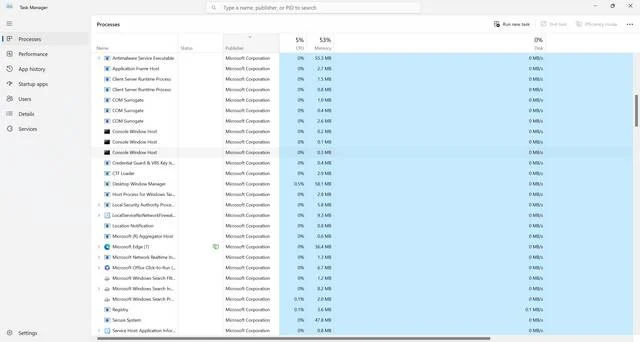
What is ITbrain_Monitoring_Service.exe?
ITbrain_Monitoring_Service.exe is a legitimate executable file associated with the ITbrain Monitoring Service, which is a remote monitoring and management solution developed by TeamViewer. TeamViewer is a well-known software company that specializes in providing remote support and collaboration tools.
The ITbrain Monitoring Service is designed to help businesses and IT professionals monitor and manage their IT infrastructure. It provides real-time monitoring of critical system components, such as CPU usage, memory usage, disk space, and network connectivity. This allows IT professionals to proactively identify and resolve potential issues before they escalate into major problems.
ITbrain_Monitoring_Service.exe is responsible for running the ITbrain Monitoring Service in the background of your system. It is typically located in the “C:Program Files (x86)TeamViewerITbrain” directory on Windows systems.
Should I Remove ITbrain_Monitoring_Service.exe?
Whether or not you should remove ITbrain_Monitoring_Service.exe depends on your specific needs and circumstances. Here are a few factors to consider:
1. Are you using the ITbrain Monitoring Service?
If you are actively using the ITbrain Monitoring Service and find value in its features, there is no need to remove ITbrain_Monitoring_Service.exe. It is an essential component of the service and removing it would disable the monitoring functionality.
2. Do you notice any performance issues?
If you are experiencing significant performance issues on your system and suspect that ITbrain_Monitoring_Service.exe may be the cause, you can try temporarily disabling or uninstalling the ITbrain Monitoring Service to see if the performance improves. However, keep in mind that this will also disable the monitoring capabilities provided by the service.
3. Are you concerned about resource usage?
ITbrain_Monitoring_Service.exe runs in the background and consumes system resources, albeit minimal. If you have limited system resources or are concerned about resource usage, you may consider removing ITbrain_Monitoring_Service.exe. However, keep in mind that this will also disable the monitoring functionality provided by the service.
Ultimately, the decision to remove ITbrain_Monitoring_Service.exe should be based on your specific needs and priorities. If you are unsure, it is recommended to consult with your IT department or a knowledgeable professional.
Is ITbrain_Monitoring_Service.exe Malware?
No, ITbrain_Monitoring_Service.exe is not considered malware. It is a legitimate executable file associated with the ITbrain Monitoring Service developed by TeamViewer. However, it’s worth noting that malware can sometimes disguise itself as legitimate processes to avoid detection. Therefore, it’s always a good idea to perform regular antivirus scans to ensure your system is free from any malicious software.
If you suspect that ITbrain_Monitoring_Service.exe or any other process on your system may be malware, it is recommended to run a scan with a reputable antivirus software. One such software is Malwarebytes Free, which is known for its effectiveness in detecting and removing malware.
Summary
In conclusion, ITbrain_Monitoring_Service.exe is a legitimate executable file associated with the ITbrain Monitoring Service developed by TeamViewer. It is responsible for running the monitoring service in the background of your system. Whether or not you should remove ITbrain_Monitoring_Service.exe depends on your specific needs and circumstances. If you are actively using the ITbrain Monitoring Service and find value in its features, there is no need to remove it. However, if you are experiencing performance issues or have concerns about resource usage, you may consider removing it. It’s important to note that ITbrain_Monitoring_Service.exe is not considered malware, but regular antivirus scans are still recommended to ensure the security of your system.

Join the discussion
0 commentsShare your experience or ask a question about this article.
Discussion
Start the conversation
Have a question or something useful to share? Add the first comment.