

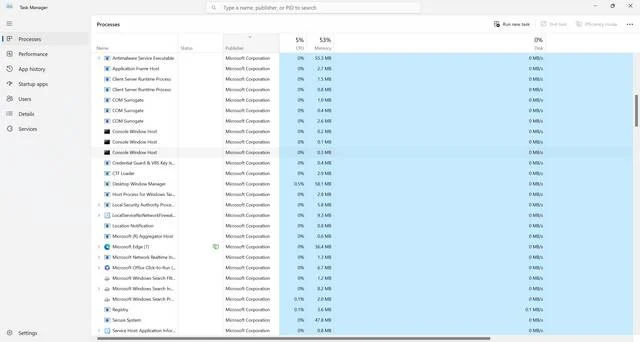
When you open your Windows Task Manager, you may come across a process called “iTunesHelper.exe” running in the background. This executable file is associated with Apple’s iTunes software and is designed to provide various functionalities and support for the application. However, many users are often unsure about whether they should remove it or if it poses any potential risks to their system. In this article, we will delve into the details of iTunesHelper.exe, its purpose, and whether it is necessary to keep it running on your computer.
Understanding iTunesHelper.exe
iTunesHelper.exe is a legitimate process that is part of Apple’s iTunes software. It is typically located in the “C:\Program Files\iTunes” folder on your computer. The primary purpose of iTunesHelper.exe is to automatically launch iTunes whenever you connect an Apple device, such as an iPhone or iPad, to your computer. It also provides additional functionalities, such as syncing your music library, updating your device’s firmware, and managing your iTunes preferences.
While iTunesHelper.exe is not essential for the basic functioning of iTunes, it does enhance the user experience by automating certain tasks and providing seamless integration between your Apple devices and your computer. However, it is worth noting that iTunesHelper.exe consumes system resources, including CPU and memory, even when iTunes is not actively being used. This can slow down your computer and affect its overall performance.
Should I Remove iTunesHelper.exe?
Whether you should remove iTunesHelper.exe depends on your personal preferences and usage patterns. Here are a few factors to consider:
1. Performance Impact:
If you have a powerful computer with ample system resources, the impact of iTunesHelper.exe on performance may be negligible. However, if you have an older or slower machine, disabling or removing iTunesHelper.exe can help free up system resources and improve overall performance.
2. Device Management:
If you frequently connect your Apple devices to your computer and rely on iTunes for managing your music library, updating firmware, or performing backups, keeping iTunesHelper.exe running can be beneficial. It ensures that iTunes automatically launches and detects your device whenever it is connected, saving you time and effort.
3. Alternative Solutions:
If you decide to remove iTunesHelper.exe, there are alternative methods to manage your Apple devices. For example, you can use third-party software like iMazing or Syncios, which offer similar functionalities to iTunes without the need for iTunesHelper.exe running in the background.
How to Disable or Remove iTunesHelper.exe
If you have decided to disable or remove iTunesHelper.exe, here are the steps you can follow:
- Open iTunes on your computer.
- Go to the “Edit” menu and select “Preferences.”
- In the Preferences window, click on the “Devices” tab.
- Check the box that says “Prevent iPods, iPhones, and iPads from syncing automatically.”
- Click “OK” to save the changes.
By following these steps, you prevent iTunes from automatically launching whenever you connect an Apple device to your computer, effectively disabling iTunesHelper.exe.
Scanning for Viruses or Malware
It is always a good practice to regularly scan your computer for viruses and malware to ensure the security and integrity of your system. If you suspect any malicious activity or want to be extra cautious, you can use a reliable antivirus or anti-malware software to perform a thorough scan.
Malwarebytes Free is a popular choice among users for its comprehensive scanning capabilities and real-time protection against various types of malware. It is recommended to download and install Malwarebytes Free from the official website to ensure you are using the legitimate and up-to-date version of the software.
Conclusion
iTunesHelper.exe is a legitimate process associated with Apple’s iTunes software. While it provides convenience and additional functionalities for managing your Apple devices, it can also consume system resources and impact performance. Whether you should remove iTunesHelper.exe depends on your personal preferences, computer specifications, and usage patterns. If you decide to remove it, alternative software solutions are available. Remember to regularly scan your computer for viruses and malware using reliable software like Malwarebytes Free to ensure the security of your system.

Join the discussion
0 commentsShare your experience or ask a question about this article.
Discussion
Start the conversation
Have a question or something useful to share? Add the first comment.