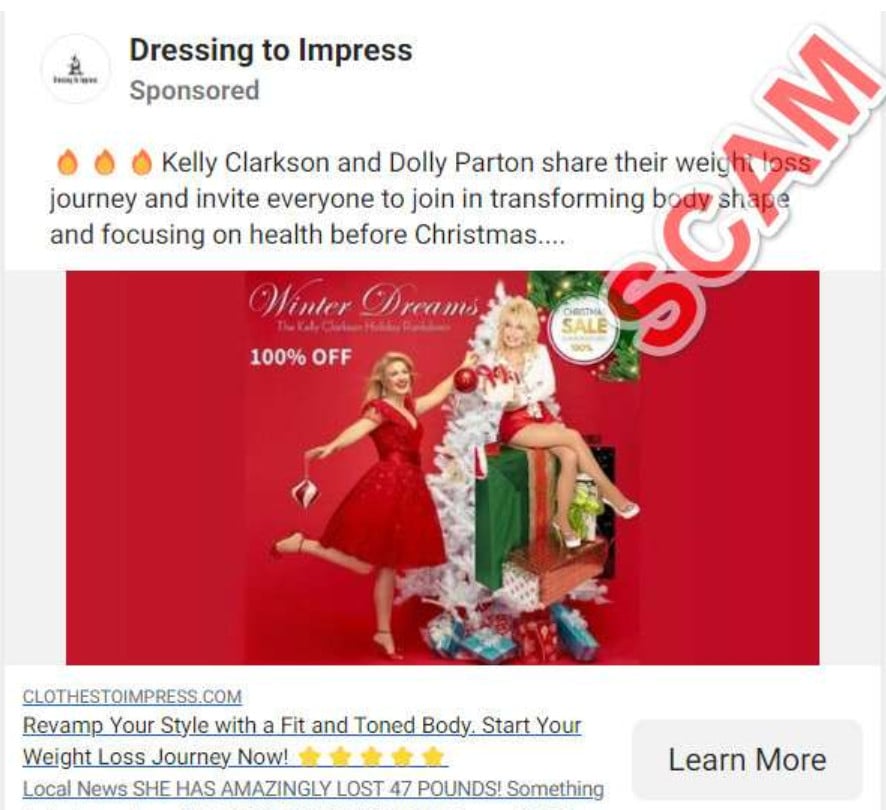
If you’ve seen an ad promising a “miracle” weight-loss shortcut that sounds oddly specific, like a secret recipe, a celebrity-approved gelatin trick, or a “doctor-revealed” method the media supposedly refuses to cover, you are not alone.
Jelly Burn Drops is one of the latest names attached to that familiar storyline.
The branding may look new, the bottle may look official, and the page may seem polished. But the marketing pattern behind it is not new at all.
It’s aggressive, repetitive, and carefully designed to push people into buying quickly before they can slow down and verify the claims.
This article breaks down what the Jelly Burn Drops operation often looks like, why the promises are so unreliable, how the funnel works step by step, and what to do if you already purchased and feel uneasy.
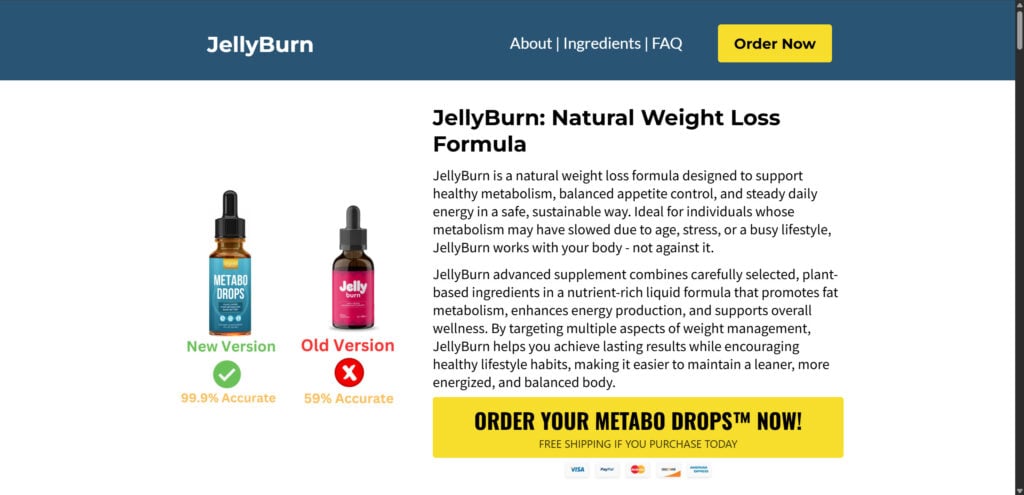
Overview
Jelly Burn Drops is marketed as a “natural” weight loss and metabolism support product, typically sold through advertorial-style pages and long-form sales videos.
At first glance, the pitch can look convincing.
It often uses health language, “doctor” imagery, dramatic transformations, and familiar media branding to create the feeling that you are watching a trusted health report instead of an ad.
But the core issue is not that people want help with weight loss. It’s the way Flashburn is promoted.
Many Flashburn campaigns rely on a templated supplement funnel that has been used for years across dozens of sketchy “miracle” products. The name changes. The bottle changes. The “secret method” changes.
The structure stays almost the same.
The “secret trick” bait is the hook
Flashburn-style ads often claim you’re about to learn a simple method, like:
- a “bariatric gelatin recipe”
- a “gelatin trick celebrities use”
- a “Harvard-backed” method
- a “Japanese trick”
- a “simple bedtime method”
- a “gut reset” shortcut
That hook is designed to make you think you’re getting a free solution.
But in many cases, the “recipe” or “trick” is never clearly shared in a practical way.
Instead, it becomes a bait-and-switch that leads into a product pitch for a green dropper bottle.
Fake authority is used to build instant trust
A major red flag is how often the funnel uses credibility theater.
Credibility theater means the page looks authoritative without providing verifiable proof.
You may see references to:
- Johns Hopkins
- Harvard
- Mayo Clinic
- ABC News
- the “Today” show
- “GMA”
- “The Dr. Oz Show”
- CNN or FOX-style layouts
These names are powerful because they trigger trust fast.
But many Flashburn-style pages do not provide legitimate links, real citations, or proof of endorsement from any of these organizations.
A page can display a logo. That doesn’t mean the organization approved the product.
A page can claim “Harvard-backed.” That doesn’t mean the product was tested by Harvard.
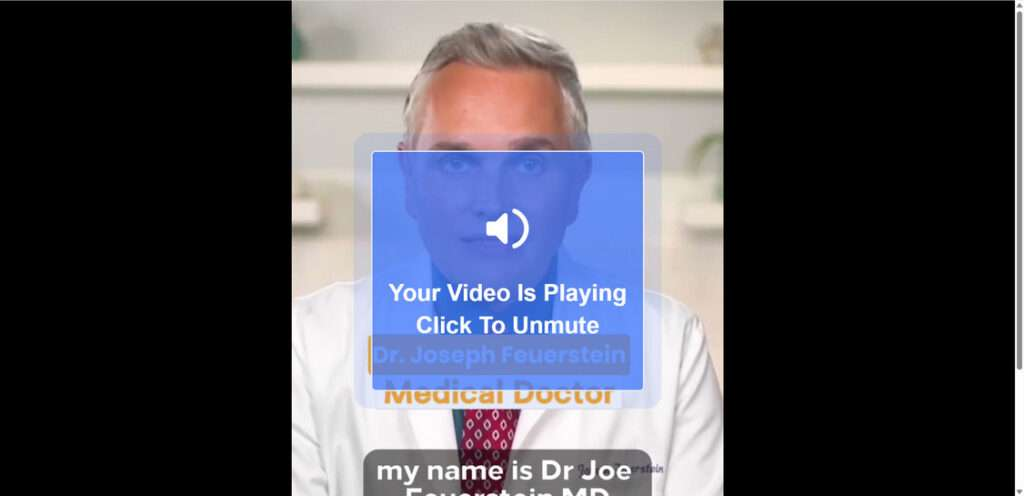
A page can show a “doctor” in a white coat. That doesn’t mean the person is real, licensed, or involved.
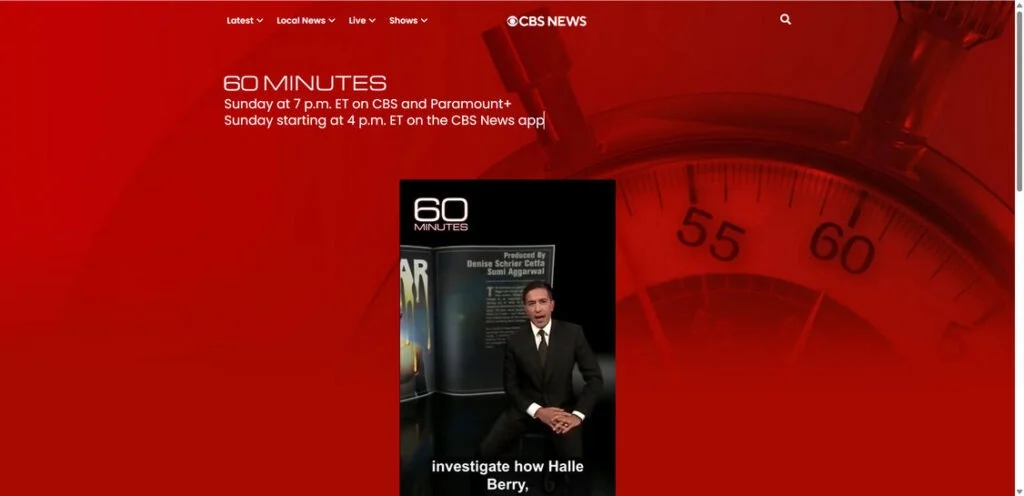
Deepfake and AI content makes the pitch feel more believable
Flashburn campaigns are commonly tied to ads that use:
- deepfake-style footage of TV doctors or medical personalities
- AI-generated “before-and-after” images
- scripted testimonials that sound personal but cannot be verified
- voiceovers that mimic news narration
- “breaking news” style framing
This works because it bypasses logic and hits emotion.
The viewer isn’t asked to evaluate evidence.
They’re pulled into a story that feels like a discovery.
The weight-loss supplement category is high-risk for misleading marketing
Even beyond Flashburn, the weight-loss supplement space is known for heavy fraud and deception. This category is frequently used by scam operations because:
- it’s emotionally sensitive
- results are hard to verify quickly
- people are often desperate for help
- claims can be exaggerated with vague science language
Many shady sellers also hide behind constantly changing domains and brand names.
If complaints rise or ads get flagged, they can switch domains, tweak the story, relabel the product, and start again.
What people commonly report in these funnels
A frequent complaint pattern with scammy supplement funnels includes:
- ordering 1 bottle and receiving charges for multiple units
- unexpected subscriptions or recurring billing
- confusing upsells that look like “order confirmation” screens
- hard-to-reach support
- refunds that are promised but difficult to obtain
Not every buyer experiences every issue.
But when a product is marketed through these patterns, the risk rises sharply.
The big takeaway
Flashburn-style marketing is not built around transparency.
It is built around persuasion, urgency, and borrowed credibility.
If the product’s “proof” exists only inside its own sales page and cannot be verified elsewhere, that is not independent validation.
It is marketing.
In the next section, we’ll break down exactly how the operation works, step by step, so you can recognize the pattern instantly, even when the product name changes.
How The Operation Works
Jelly Burn Drops is rarely sold through a simple, straightforward product website.
Most buyers are pushed through a multi-step funnel designed to move them from curiosity to purchase quickly, with minimal time to research.
Here’s how it typically works.
Step 1: The scroll-stopping ad appears
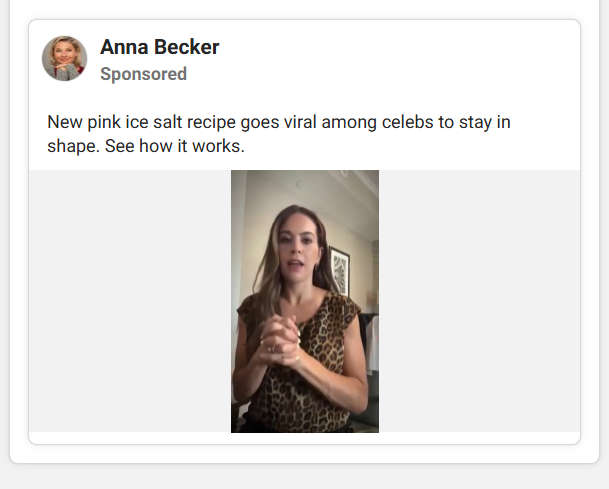
Most people first see Flashburn through paid ads on social platforms or ad networks.
The ad is designed to trigger emotion fast, such as:
- frustration with stubborn belly fat
- fear about health and aging
- embarrassment and shame
- anger at “big pharma”
- excitement about a shortcut
- curiosity about a “secret method”
The ad often looks casual on purpose.
Selfie-style videos and “user story” clips blend into the feed and lower suspicion.
Some versions also use or imply famous names like Elon Musk, Dr. Oz, or other recognizable personalities to borrow trust, even when no endorsement exists.

Step 2: The click leads to a “news-style” page
After clicking, you often land on an advertorial.
That’s a sales page disguised as an article.
Common signs include:
- urgent headline language
- a fake byline or vague author name
- a date stamp to look current
- a layout that resembles CNN or FOX-like pages
- “as seen on” media logos without proof
This stage is designed to create a feeling of legitimacy.
The goal is to make you think you’re consuming real reporting, not an ad.
Step 3: The “secret recipe” is teased
Next comes the bait.
The page promises a very specific method, like:
- “bariatric gelatin recipe”
- “Harvard-backed oat trick”
- “Japanese metabolic hack”
- “simple bedtime ritual”
This is where the funnel builds curiosity and commitment.
The viewer thinks, “I just want the recipe.”
But the recipe rarely arrives in a clear, usable way.
Instead, the story is stretched into a long pitch.
Step 4: A long-form video locks in attention
Many Flashburn funnels rely on a long video that looks like:
- a documentary-style report
- a “special presentation”
- a health segment
- a “doctor reveal”
The video may include:
- animated body graphics
- “gut bacteria” explanations
- dramatic claims about metabolism sabotage
- testimonials and transformation stories
The structure is often the same:
- explain the problem
- claim modern medicine ignores the truth
- tease a simple solution
- delay the solution
- position the product as the real answer
If the page promises a “recipe” and never clearly gives it, that is usually intentional.
The missing “free trick” is a psychological lever that keeps viewers watching until the product becomes the answer.
Step 5: Fake credibility signals are layered in
Once you’re invested, the funnel adds authority signals, like:
- “Harvard-backed”
- “bariatric formula”
- “clinically proven”
- “FDA approved”
- “GMP certified”
- “made in the USA”
- “doctor recommended”
This is a major trap point.
For supplements, “FDA approved” is frequently misused in marketing, and badges can be displayed without verification.
If there are no transparent, verifiable documents linked directly to these claims, treat them as marketing.
Step 6: Social proof and urgency pressure you to buy
Next, the page pushes you toward purchase using:
- countdown timers
- “limited stock” warnings
- popups showing “recent purchases”
- “X people are watching”
- huge review numbers
- “today only” discounts
These are not reliable signals of legitimacy.
They are conversion tools.
Their job is to make you feel like delaying is risky.
Step 7: Bundles and “protocols” push larger purchases
Then comes the offer section, typically structured like:
- 1 bottle at a high price
- 3 bottles at a lower per-bottle cost
- 6 bottles as “best value”
- sometimes even 12 bottles as “extended treatment”
This pricing design nudges buyers into spending more by making the small option feel like a bad decision.
Step 8: Checkout confusion and upsells increase risk
Many buyers report issues because checkout often includes:
- pre-selected quantities
- confusing “free bottle” language
- upsell screens that look mandatory
- fine-print subscription terms
- vague merchant names on bank statements
This is where people may think they ordered one item, but later see multiple charges or recurring billing.
Step 9: Customer support friction makes refunds difficult
After purchase, support can be slow or hard to reach.
Common complaints include:
- email-only support with delays
- vague return instructions
- refunds that require strict steps
- policies that sound generous but are hard to use
This is a big reason many people label these funnels “scam ads,” even when a product eventually arrives.
Why the same story keeps showing up under new names
Flashburn is one name.
But the template is reusable.
When one brand gets complaints or ad accounts get flagged, sellers can:
- change the domain
- change the product name
- tweak the story
- run the same funnel again
That’s why people keep seeing similar pitches tied to different “tricks” and different bottles.
What To Do If You Have Bought this
If you bought Jelly Burn Drops and now feel uncomfortable, you can still take control.
Here’s a calm, practical checklist.
1) Save your evidence immediately
Create a folder and save:
- screenshots of the ad (if possible)
- the landing page URL
- the checkout page totals
- your confirmation email
- your receipt and order number
- screenshots of your bank or card statement
This helps if you need a dispute.
2) Check for recurring billing or subscriptions
Look for signs like:
- a second charge days or weeks later
- terms like “autoship,” “membership,” or “monthly”
- emails about “next shipment”
If anything looks recurring, treat it as urgent.
3) Contact your bank or card provider
Ask:
- whether you can dispute the charge
- how to block future charges from the same merchant
- whether replacing the card is recommended
If you see unauthorized repeat charges, a card replacement can stop the bleeding.
4) Email the seller to cancel and document it
Send a direct email with:
- your full name
- the email used for purchase
- your order number
- a clear request: cancel any subscription and do not charge me again
- request written confirmation
Save their reply, or the lack of reply.
5) Monitor statements for at least 60 days
Check for:
- new charges from unfamiliar merchant names
- repeat billing around the same date each month
- shipping fees you did not approve
6) If you took it and feel unwell, stop and seek guidance
If you experienced side effects, stop using it and consider contacting a qualified healthcare professional.
Do not push through symptoms because of marketing promises.
7) Report the ad where you saw it
Reporting helps platforms identify patterns.
Report it on:
- Facebook or Instagram
- YouTube
- the ad network that served it
Mention issues like fake endorsements, fake news layout, misleading “recipe” bait, or unexpected charges.
The Bottom Line
Jelly Burn Drops is frequently promoted through a familiar scam-style supplement funnel that relies on big promises, borrowed credibility, and high-pressure tactics.
The “bariatric gelatin recipe” and similar “secret method” angles are usually hooks designed to sell a bottle, not transparent health guidance backed by reputable evidence.
If you already bought it, focus on practical protections: document everything, watch for subscriptions, contact your bank if needed, and send written cancellation requests.
Most importantly, don’t blame yourself.
These campaigns are engineered to feel believable, and your next step is simple: protect your money, protect your privacy, and learn the pattern so you can spot it instantly the next time it appears under a different name.
FAQ
Is Jelly Burn Drops the same product everywhere?
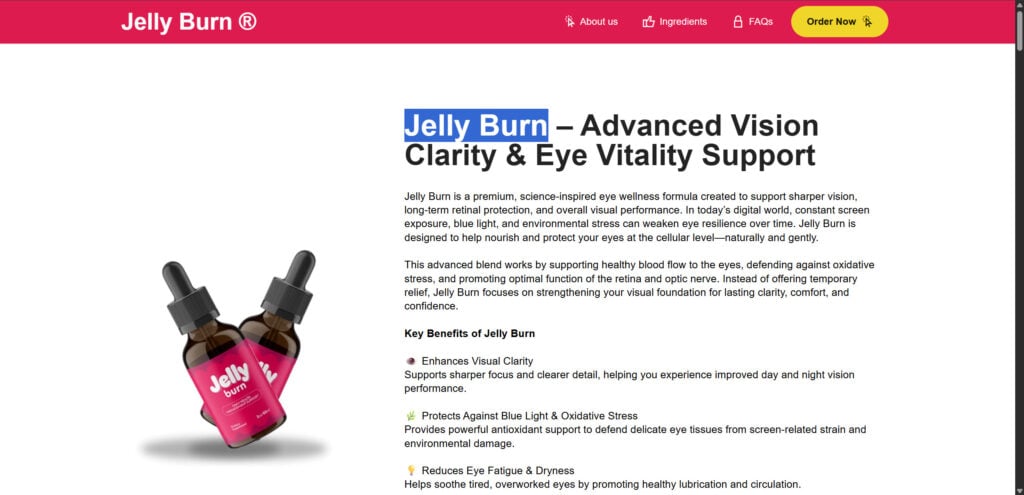
Not necessarily. “Flashburn” shows up across different sellers and listings, sometimes with different brand names and positioning. That inconsistency is one reason to treat the marketing carefully and verify exactly who you are buying from.
Is Jelly Burn Drops FDA approved?
Dietary supplements are not “FDA approved” the way prescription drugs are, and legitimate listings often include a disclaimer that supplement claims have not been evaluated by the FDA. If an ad loudly claims “FDA approved,” treat that as a red-flag claim unless it is backed by verifiable documentation.
Do the ads prove it works for weight loss?
No. “Clinically proven,” “Harvard-backed,” or “doctor revealed” language is often used as persuasion rather than evidence. The FTC specifically warns about weight-loss ads that promise results without diet or exercise and about fake online stories used to sell products.
Why do these pages look like CNN, FOX, or “health news” reports?
Because the format increases trust. The FTC warns that scammers use fake news-style websites, stolen logos, and made-up stories to sell weight-loss products. If it looks like reporting but functions like a sales funnel, assume it is an advertorial.
Are the “before and after” photos and testimonials reliable?
Often, no. The FTC notes that dramatic weight-loss images used in these promotions can be stock or altered photos, and reviews can be fabricated or copied across sites.
What is the “bariatric gelatin recipe” angle, and why is it used?
It is a common hook: a “secret trick” gets attention, then the page pivots into selling a bottle. Even when a recipe exists somewhere online, the funnel often uses it as bait to keep you watching and to frame the product as the real solution. The FTC explicitly calls out fake “discovery” style stories that promote weight-loss products.
Are deepfake or AI doctor videos a known tactic in weight-loss ads?
Yes. Scammy funnels increasingly use AI voiceovers, AI images, and “TV segment” style editing to create credibility fast. If you cannot verify the person, the outlet, or the source footage, treat it as marketing theater, not medical guidance.
Could Flashburn or similar weight-loss supplements be risky to take?
Potentially. The FDA warns that many weight-loss products are sometimes contaminated with hidden drug ingredients and can pose serious health risks. Being “not listed” in FDA alerts does not prove a product is safe.
I ordered one bottle but got charged for more. What should I do first?
Start with documentation: save the order confirmation, the checkout totals, and screenshots of the offer pages if you still have access. Then check your statement for multiple charges or merchant descriptors you do not recognize. The FTC warns that “free trial” and recurring billing traps are common in weight-loss offers.
How do I check if I accidentally agreed to a subscription?
Look for terms like autoship, membership, monthly, negative option, or “next shipment.” Also watch for a second charge days later. If you see repeat billing, contact your card issuer promptly and ask about blocking future charges.
What’s the best way to request cancellation and a refund?
Email the seller with your order number and a clear statement: cancel any recurring shipments, do not charge me again, and confirm in writing. Keep everything in writing and save timestamps. If support is unresponsive, escalate through your bank or card provider.
Are Trustpilot or “review” pages always trustworthy for products like this?
They can help, but they are not definitive. Some listings can include promotional copy, and Trustpilot pages may contain company-written content. Always weigh reviews against hard signals like transparent company info, clear billing terms, and verifiable evidence.
How can I report misleading Flashburn-style ads?
Report the ad in the platform where you saw it, and consider reporting deceptive weight-loss marketing to the FTC.
What are the biggest red flags that a “weight loss drops” funnel is sketchy?
Common red flags include: fake news layout, “as seen on” logos without proof, celebrity or doctor implication with no verifiable endorsement, countdown timers and “limited stock” pressure, unclear company identity, and checkout flows that hide recurring billing in fine print.