


Have you received a PayPal reminder email stating you have an open money request from Jessica Bellofatto Corporation for $1099? Stop right there. This is actually a scam trying to steal your hard-earned funds. Keep reading to learn how to detect this phishing attack.
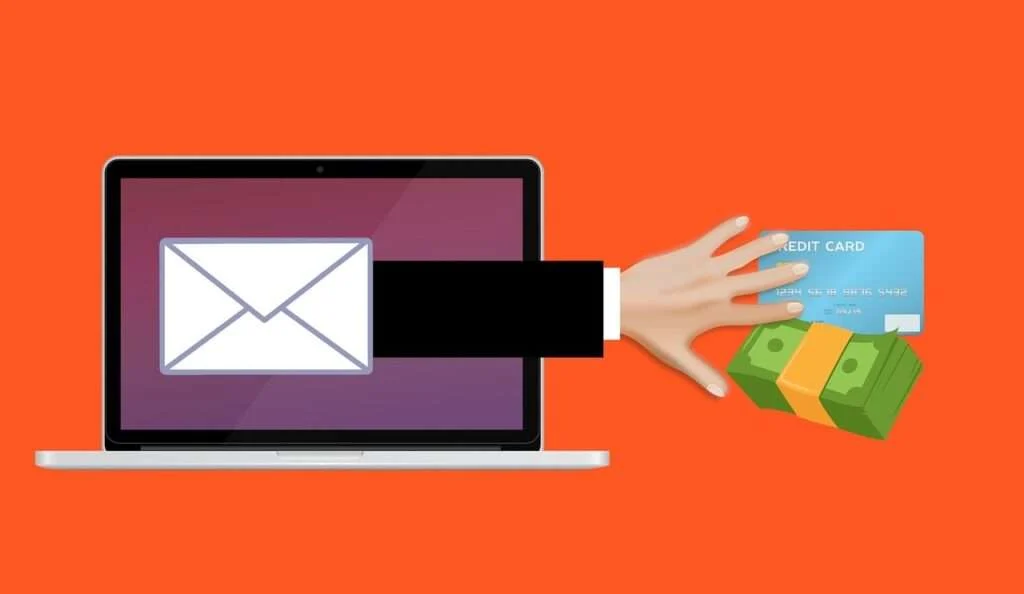
Overview of the Jessica Bellofatto PayPal Scam
This insidious scam starts with an email pretending to come from PayPal’s billing notification center. The message has an urgent tone, stating there is a pending $1099 money request from Jessica Bellofatto Corporation that will automatically accept soon.
It includes a fake transaction ID and urges the recipient to call 888-670-4266 immediately if you do not recognize this money request. However, the number actually leads to skilled scammers impersonating PayPal support agents.
Their goal is to trick you into allowing the fake money request so they can gain access to your PayPal account, linked bank accounts, and any stored financial information. This gives them the ability to steal your money and commit identity fraud.
Warning Signs to Spot the Fake Email
While well-crafted to look legitimate, a close examination reveals multiple red flags that prove this is a phishing attempt:
- Sender email address does not match PayPal customer support addresses.
- Jessica Bellofatto Corporation is not a recognized or verified PayPal user that would be sending you money requests.
- Transaction ID and details are completely fabricated and not found in your real PayPal account.
- The urgent call-to-action and threat of account limitations are intimidation tactics.
- The phone number leads to skilled scammers intent on deceiving you, not helping resolve any issue.
How the Jessica Bellofatto Scam Unfolds
Let’s look at the specific techniques used at each step of this scam to better understand how the fraudsters operate:
Step 1) Victim Receives Fake Money Request Email
You receive an email stating you have a pending money request from Jessica Bellofatto Corporation that will automatically accept soon. The message urges you to call 888-670-4266 immediately if you don’t recognize this request.
Step 2) Call Connects Victim to Scammers Posing as PayPal
When victims call the number, they reach professional scammers posing as PayPal billing support agents. The criminals confirm the money request is valid and must be authorized to avoid account restrictions.
Step 3) Scammers Pressure Victim to Allow Money Request
Once convinced the request is real, the scammers pressure and scare victims into allowing the money withdrawal. They warn your account will be limited or closed if you do not approve this pending transaction.
Step 4) Criminals Gaining Account Access
To “authorize” the fake request, the scammers have victims log into their PayPal account on a phishing site that steals login credentials. Or they persuade victims to install remote access software allowing the scammer full control over the computer and PayPal account.
Step 5) Scammers Drain Money and Steal Information
With access to the victim’s PayPal account, scammers can now drain money from it as well as linked bank accounts and credit cards. They also steal any personal information, passwords, and financial files stored on the computer for identity theft and selling on the dark web.
Protecting Yourself from the Jessica Bellofatto Scam
If you receive an email about a questionable money request, take these steps:
- Do not call the number in the email under any circumstances, as it leads to scammers.
- Log in to your PayPal account directly through the real website or app and verify if any money request exists.
- Report phishing emails to PayPal at phishing@paypal.com to aid investigations.
- Never provide any remote access to your computer or login credentials to unknown callers claiming to be PayPal. Real agents will never make such requests.
- If you did fall victim already, contact PayPal immediately to secure your account and dispute any unauthorized transactions. Also alert your bank and monitor your credit.
What To Do If You Already Fell Victim to This Scam
Unfortunately, many victims do not realize they have been scammed until it is too late. If you provided scammers with access to your PayPal account or remote control of your computer, take these steps right away:
- Contact PayPal customer service immediately. Report unauthorized account access and transactions. Request they shut down the account to prevent further fraudulent activity.
- Dispute any unauthorized charges or money transfers from your account with PayPal and your linked banks. Provide details on how you were scammed. This can help reverse the fraudulent transactions.
- Closely monitor your bank accounts and credit cards linked to PayPal for any suspicious transactions. Unauthorized charges may occur if the scammers stole that financial information from your computer files or account access. Contact your bank and card issuers to report fraud and have new cards issued.
- Install comprehensive anti-virus software on your computer if you allowed remote access. Run thorough scans to detect and remove any malware, spyware, or backdoors the scammers may have planted to continue accessing your computer.
- Change your PayPal password, security questions, and enable 2-factor authentication when you regain account access. Also change passwords on any other online accounts for protection.
- Place fraud alerts and monitor your credit reports with Equifax, Experian and TransUnion in case the stolen information is used for identity theft. Renew the alerts every 90 days.
- File a complaint with the FBI’s Internet Crime Complaint Center (IC3) and Federal Trade Commission. Provide details of how you were targeted and scammed. This can aid investigations to help bring these criminals to justice.
- Educate yourself on the latest online scams to avoid being targeted again. Never fall for pressure tactics over the phone from unknown individuals regarding your financial accounts.
Is Your Device Infected? Run a Free Malware Scan
Slow performance, constant pop-ups, or strange behavior? These are classic signs of a malware infection. A quick way to check is to scan your device with Malwarebytes Free, one of the most trusted malware removal tools available. If you only visited a scam page and didn’t download or install anything, this scan is optional.
The free version detects and removes the most common threats, including:
- Adware — the cause of those annoying pop-ups
- Browser hijackers — unwanted redirects and changed homepages
- Trojans and spyware — hidden programs stealing your data
- Potentially unwanted programs (PUPs) — software you never asked for
👉 Select your device below — Windows, Mac, or Android — then follow the simple steps to download Malwarebytes, scan your system, and remove any threats it finds. The scan usually takes 5 to 20 minutes.
Run a Malware Scan with Malwarebytes for Windows
Malwarebytes is one of the most popular and trusted anti-malware tools for Windows — and it’s completely free for removing infections. It catches threats that many antivirus programs miss, including adware, browser hijackers, and trojans. Follow the steps below to scan your PC and remove what Malwarebytes finds.
Download Malwarebytes
Click the button below to download the latest version of Malwarebytes for Windows from the official source. The free version is all you need — it will scan your computer and remove adware, browser hijackers, and other malicious software at no cost.
Download MalwarebytesOfficial installer for Windows 11 and 10. Your download starts right away.Want real-time protection? See Malwarebytes Premium Malwarebytes Free for WindowsScans and removes malware at no cost
-
Install Malwarebytes
When the download finishes, open your Downloads folder and double-click the MBSetup file. If Windows shows a User Account Control pop-up, click “Yes” to allow the installation.

Follow the On-Screen Prompts to Install Malwarebytes
The setup wizard will walk you through a few quick screens:
-
Choose where you’re installing the program — “Personal Computer” or “Work Computer” — then click Next.

-
Malwarebytes will now install on your device. This usually takes under a minute.

-
When installation is complete, the “Welcome to Malwarebytes” screen will open automatically.

-
On the final screen, click Open Malwarebytes to launch the program.

-
Optional: Check for rootkits with a Custom Scan
You don’t need to change any settings for a normal scan. The standard Threat Scan in the next step is enough for most problems, so you can go straight to it.
If you also want to check for rootkits, use a Custom Scan. In current versions of Malwarebytes, rootkit scanning is only available there:
- On the Scanner tile, click the three-dot menu and select Advanced Scan.
- Choose Custom Scan. In its options, check Scan for rootkits.
- Select your system drive (usually C:\) as the location to scan, then start the scan. It takes longer than a Threat Scan.
- When it finishes, review and quarantine the results as described in the steps below.
Rootkit scanning isn’t available on Windows devices with ARM processors.
Start the Scan
Click the blue Scan button. Malwarebytes will automatically update its virus database and start checking your computer for malware.

-
Wait for the Scan to Finish
The scan checks your entire system for browser hijackers and other malicious programs, so it can take 5 to 20 minutes depending on your computer. Feel free to do something else — just check back occasionally to see the progress.

-
Quarantine the Detected Threats
When the scan is done, you’ll see a list of everything Malwarebytes found — malware, adware, and potentially unwanted programs. Click the “Quarantine” button to remove all of them at once.

Malwarebytes will now remove the malicious files and registry entries and move them safely into quarantine.

-
Restart Your Computer
Some threats can only be fully removed after a reboot. If Malwarebytes asks you to restart, click Yes. Once you’re logged back in, Malwarebytes has finished removing the threats it found.

When the scan is done, check whether the problems you noticed have stopped. If they continue, see the options below.
If you are still having problems with your computer after completing these instructions, then please follow one of the steps:
- Run a computer scan with ESET Online Scanner
- Ask for help in our Windows Malware Removal Help & Support forum.
Run a Malware Scan with Malwarebytes for Mac
Malwarebytes for Mac is a free on-demand scanner that removes the malware other security software tends to miss — adware, browser hijackers, and unwanted programs included. Cleaning an infected Mac with Malwarebytes has always been completely free, and it’s our go-to recommendation. Follow the steps below to scan your Mac and remove what Malwarebytes finds.
-
Download Malwarebytes for Mac
Click the button below to download the latest version of Malwarebytes for Mac.
Download MalwarebytesOfficial installer for macOS. Your download starts right away.Want real-time protection? See Malwarebytes PremiumMalwarebytes Free for MacScans and removes malware at no cost -
Open the Malwarebytes setup file
When the download finishes, open your Downloads folder and double-click the setup file to begin the installation.

-
Follow the On-Screen Prompts to Install Malwarebytes
The Malwarebytes for Mac Installer will guide you through a few quick screens. Click “Continue” and keep following the prompts until the installation completes.



When the installation is complete, Malwarebytes opens to the Welcome to Malwarebytes screen. Click “Get started“.
Malwarebytes needs Full Disk Access to check your whole Mac. When it asks, open System Settings > Privacy & Security > Full Disk Access, turn on Malwarebytes (it may be listed as Malwarebytes Protection), and confirm with your password or Touch ID. Then return to Malwarebytes. On macOS Monterey and earlier, this setting is in System Preferences > Security & Privacy > Privacy.
-
Select “Personal Computer” or “Work Computer”
Malwarebytes will ask what type of computer you’re installing it on. Click either Personal Computer or Work Computer, whichever applies.

-
Start the Scan
Click the “Scan” button. Malwarebytes will automatically update its detection database and begin checking your Mac for malware.

-
Wait for the Scan to Finish
Malwarebytes will scan your Mac for adware, browser hijackers, and other malicious programs. This can take a few minutes, so feel free to do something else — just check back occasionally to see the progress.

-
Quarantine the Detected Threats
When the scan is done, you’ll see a list of everything Malwarebytes found. Click the “Quarantine” button to remove all the threats at once.

-
Restart Your Mac
Malwarebytes will now remove all the malicious files it found. Some threats can only be fully removed after a reboot — if Malwarebytes asks you to restart, allow it. Once you’re logged back in, check whether the problems you noticed have stopped. If they come back, save the scan report and ask for help in our forum.

If the problems you noticed continue after the scan, see the options below.
If you are still experiencing problems while trying to remove a malicious program from your computer, please ask for help in our Mac Malware Removal Help & Support forum.
Run a Malware Scan with Malwarebytes for Android
Malwarebytes for Android scans your phone or tablet for malware, adware, and potentially unwanted apps. The free version scans only when you start a scan. Real-time protection, which checks apps automatically, is part of the paid Premium version.
-
Download Malwarebytes for Android.
You can download Malwarebytes for Android by clicking the link below.
Get Malwarebytes for AndroidOpens Google Play in a new tab.Want real-time protection? See Malwarebytes Premium for AndroidMalwarebytes for AndroidScans your phone and removes malware at no cost -
Install Malwarebytes for Android on your phone.
In the Google Play Store, tap “Install” to install Malwarebytes for Android on your device.

When the installation process has finished, tap “Open” to begin using Malwarebytes for Android. You can also open Malwarebytes by tapping on its icon in your phone menu or home screen.

-
Follow the on-screen prompts to complete the setup process
When Malwarebytes opens, it walks you through a short setup. Tap Get started and follow the prompts. If you see an offer for a trial or a paid plan, read it before you accept. You can skip it and keep using the free scanner.
Malwarebytes will ask for permission to access the files on your phone so it can scan them. Tap Allow, or turn on the permission in the Android screen that opens, then return to Malwarebytes.
-
Run a scan with Malwarebytes for Android
On the main screen, tap Scan now. In some versions, you open the menu, tap Scanner, and then tap Run a scan.
-
Wait for the Malwarebytes scan to complete.
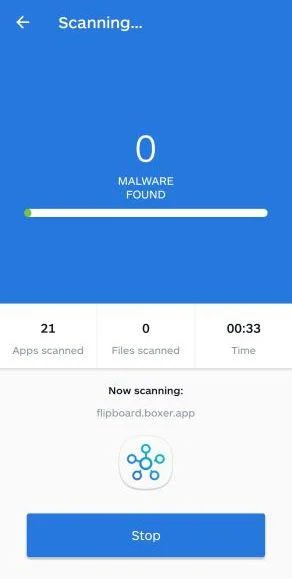
Malwarebytes will now start scanning your phone for adware and other malicious apps. This process can take a few minutes, so we suggest you do something else and periodically check on the status of the scan to see when it is finished.
-
Remove the detected apps.
When the scan has been completed, you will see a list of the threats that Malwarebytes for Android has detected. Next to each detected item, tap the menu icon (three dots), then choose to uninstall the app or delete the file. Android then asks you to confirm. Tap OK or Uninstall to remove the app.
-
Restart your phone.
When the detected apps are removed, restart your phone if Malwarebytes asks you to. Then check whether the problems you noticed have stopped.
If the problems you noticed continue after the scan, see the options below.
If you are still having problems with your phone after completing these instructions, then please follow one of the steps:
- Ask for help in our Mobile Malware Removal Help & Support forum.
- Only as a last resort, reset your phone to factory settings. Read the warning below first.
- Back up your photos, videos, files, and messages, for example to your Google account or a computer.
- Make sure you know your Google account email and password. The phone asks for them after the reset. If you changed the password recently, Google recommends waiting 24 hours before you reset.
- On a Samsung phone, also make sure you know your Samsung account password.
- If you use an authenticator app for two-step verification, move your accounts to another device or save your backup codes first.
Stay Protected: Block Ads and Malicious Sites
No scan can prove a device is completely clean, so it helps to block threats before they reach you. Most infections start with a malicious ad or a fake download button — so blocking them at the source is your best defense.
We recommend AdGuard, which blocks malicious ads, phishing pages, and dangerous redirects before they can reach you.
👉 Download AdGuard and browse safely
Frequently Asked Questions about the Jessica Bellofatto PayPal Money Request Scam
1. What is the Jessica Bellofatto Corporation PayPal money request scam?
This is a phishing scam where victims receive a fake PayPal email stating Jessica Bellofatto Corporation has sent them a $1099 money request. The email instructs victims to call a number to authorize the payment. However, the number leads to scammers pretending to be PayPal support who access the victim’s account credentials.
2. How can I spot the fraudulent Jessica Bellofatto email?
Red flags include:
- Sender address does not match PayPal customer service.
- Grammatical/spelling errors.
- Jessica Bellofatto Corporation is not a known PayPal user.
- Transaction ID is invalid when checked on real PayPal account.
3. What happens when I call the number in the email?
The number connects you to skilled scammers impersonating PayPal billing agents. They will convince you the money request is real and must be authorized to avoid account restrictions. Their real goal is to steal your login credentials or get remote access to your computer.
4. What techniques do the scam call agents use?
The fake agents will:
- Pressure you to log into PayPal on a phishing site to steal your username/password.
- Request installation of remote access software like TeamViewer to take control of your computer.
- Once they have account access, steal money and personal data.
5. Should I ever provide remote computer access to a call agent?
No, real PayPal employees will never ask for remote access to your computer, even for valid reasons like verifying account ownership. Granting remote access simply gives scammers total control to steal your information.
6. What steps can I take to avoid this scam?
If you get an email about a money request, take these steps:
- Do not call the number in the email.
- Log in to your PayPal account directly to verify any payment requests.
- Forward the scam email to PayPal at phishing@paypal.com.
- Never provide account credentials or remote access to a caller.
- Contact PayPal if you did provide scammers access to secure your account.
7. What should I do if I already fell victim to this scam?
If you gave scammers access to your PayPal account, contact PayPal immediately to lock the account and dispute any unauthorized charges. Also watch for fraudulent charges on linked credit cards or bank accounts. Run antivirus software, change passwords, and monitor your credit for any suspicious activity.
The Bottom Line
The Jessica Bellofatto PayPal money request scam reveals how criminals exploit trusted company names like PayPal to lure unsuspecting victims. But being able to identify the scam’s warning signs helps you avoid getting caught. Never trust urgent calls or emails about your PayPal account – always independently log in to verify any payment requests yourself. Use caution when contacted about your accounts to protect your hard-earned money.

Join the discussion
0 commentsShare your experience or ask a question about this article.
Discussion
Start the conversation
Have a question or something useful to share? Add the first comment.