

Over the past few months, scam solar companies have been using deepfake videos of Joe Rogan to promote a fake “No-Cost Solar” program. These deceptive online ads feature AI-generated audio of Rogan discussing a government solar incentive program that supposedly allows homeowners to install solar panels for free. The ads are designed to convince viewers to provide their personal information under the guise that they’ll be contacted by a solar company to take advantage of this non-existent program.
This scam predominantly targets Facebook, YouTube, and TikTok users by presenting what appears to be a legitimate opportunity to go solar at no upfront cost. However, Joe Rogan has no actual affiliation with these solar scams. By handing over your information, you open yourself up to potential identity theft, unwanted sales calls, and predatory solar contracts.
It’s important that consumers are aware of how this solar scam operates so they can avoid being manipulated into providing their data. This article will provide an in-depth overview of how the Joe Rogan solar incentive scam works, what to do if you’ve fallen victim, and key takeaways to protect yourself moving forward.
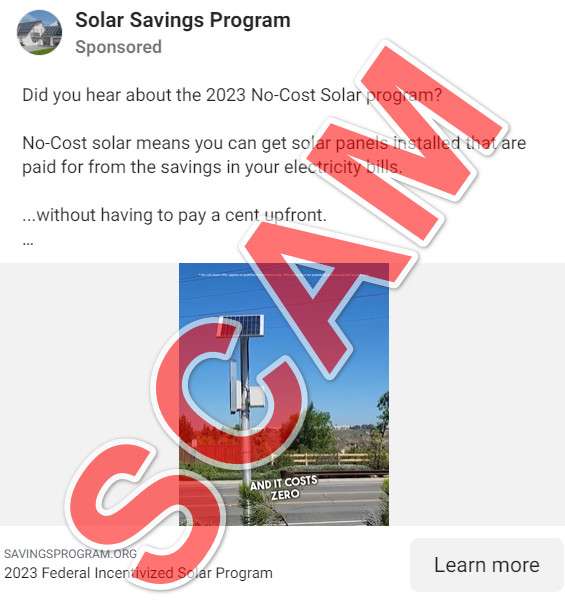
Overview of the Joe Rogan Solar Incentive Program Scam
The fake Joe Rogan solar ads claim there is a government program that provides grants and tax credits to fully cover the cost of buying and installing solar panels. Rogan’s likeness and AI-generated voice are used in the video ads to discuss solar incentives and persuade viewers it’s a “no-brainer” opportunity.
These ads target potential solar customers who may qualify for actual solar incentives, but exaggerate the potential savings to make it seem like you can get panels for free. In reality, solar incentives will only cover a portion of system costs. Going completely solar for no money out of pocket is misleading and inaccurate.
The goal is to convince consumers that all they need to do to take advantage of the “No-Cost Solar” program is provide their name, phone number, and address on the landing page. However, there is no partnership between Joe Rogan and any solar companies offering a free solar program. Inputting your information will only lead to sales calls, spam emails, and your data potentially being sold to unknown parties.
These deepfake Joe Rogan ads are designed to get consumers excited about going solar, only to deceive them into handing over their personal information. It preys on homeowners looking to save money by leveraging Rogan’s celebrity status to appear credible. But the reality is that these are fake ads run by lead generation websites looking to profit off your data.
How the Joe Rogan Solar Incentive Scam Works
The scammers behind the fake Joe Rogan solar ads have developed a deceptive funnel that takes advantage of consumers at multiple steps along the way. Here is a step-by-step overview of how this scam operates:
1. Misleading Video Ads
The scam starts with video ads on social media sites featuring deepfake footage of Joe Rogan discussing affordable solar incentives. The AI-generated voice discusses “free” government programs that will supposedly cover 100% of your solar installation costs. These videos are designed to convince viewers the opportunity is legitimate.
2. Clickbait Landing Pages
When you click on one of these fake ads, you are taken to a solar landing page that promises you can “Go Solar for Zero Cost” thanks to government solar incentives. The page reiterates the false claims made in the videos to further manipulate visitors.
3. Data Harvesting Form
The landing page contains a contact form that tricks visitors into handing over personal information like name, phone number, and address. The form makes big promises about solar savings in order to get users to complete it.
4. Sold to Lead Generation Companies
The contact info collected through the form is aggregated and sold to solar lead generation companies who sell it to installation companies and marketers. This means your data can end up in the hands of many unknown parties.
5. Inundated with Calls/Emails
Once your information is sold, you’ll start receiving a flood of calls, emails, and mailers from solar companies who purchased your lead. Most are simply trying to sell you overpriced systems.
6. High Pressure Sales Tactics
Any solar company who got your lead from this scam could use manipulative sales tactics on these warms leads. They may make exaggerated savings claims, lie about incentives, or pressure you into contracts.
7. Potential Identity Theft
There is also the risk that untrustworthy lead buyers will steal and misuse your personal data for things like identity theft. Criminals can purchase leads off these sites.
As you can see, the Joe Rogan solar scam takes advantage of consumers at every step. Your data is essentially turned into a commodity and sold off to the highest bidder.
What to Do If You’ve Fallen Victim to This Scam
If you entered your information into one of these Joe Rogan solar landing pages, here are important steps to take in order to protect yourself:
- Place a Fraud Alert: Contact one of the three credit bureaus (Experian, TransUnion, Equifax) to place a fraud alert on your credit report. This makes it harder for someone to open new accounts in your name.
- Monitor Your Credit: Keep a close eye on your credit reports and bank accounts for any suspicious activity. Check your credit card and bank statements regularly for unfamiliar charges.
- Block Unknown Contacts: Don’t answer calls, emails, or texts from phone numbers and addresses you don’t recognize. Avoid clicking on links in messages from unknown senders.
- Remove Your Info: Try to have your information deleted from the lead generation site databases to prevent further spread. But this can be challenging with shady operators.
- National Do Not Call List: Register your phone number on the National Do Not Call list to reduce telemarketing calls. Legitimate solar companies will honor this.
- Screen Solar Companies Thoroughly: Don’t give business to any company that contacted you from this scam. Vet any solar providers extensively before considering working with them.
- Change Passwords: Update passwords and security questions for any important online accounts in case your info was compromised. Enable two-factor authentication where possible.
- File Complaints: Report scams ads or calls to the FTC, state attorneys general, and the BBB to help authorities identify and stop illegal operations.
While being proactive can help reduce damage, it’s still difficult to get personal information removed from lead generation databases once it’s been sold. This demonstrates why it’s so important to never provide data to suspicious solar ads in the first place.
Frequently Asked Questions About the Joe Rogan Solar Incentive Scam
The use of deepfake Joe Rogan videos and false claims of a “no-cost solar” incentive program has led to lots of questions surrounding this solar scam. Here are answers to some of the most frequently asked questions.
What exactly is the Joe Rogan solar scam?
This scam uses fake ads with deepfake videos of Joe Rogan discussing a government solar incentive program that will supposedly provide homeowners with solar panels for free. The goal is to get consumers to enter their personal details under the false promise of being contacted by solar companies to take advantage of these non-existent incentives.
How are they using Joe Rogan’s likeness?
The scammers are using deepfake technology to put Joe Rogan’s face and an AI-generated version of his voice into ads about solar incentives. This is done without his permission to make the ads appear credible. The real Joe Rogan has no connection to these scams.
What platforms are the fake ads appearing on?
These deceptive ads have been found on Facebook, Instagram, YouTube, TikTok, and other social media platforms. They are optimized for maximum visibility through paid advertising and clickbait targeting.
What do the ads claim about solar incentives?
The deepfake Joe Rogan ads falsely state that the government is providing grants and tax credits that will cover 100% of solar installation costs through a “No-Cost Solar” program. In reality, there are solar incentives but none that make it free.
What happens when you click on the ads?
Clicking the ad brings you to a solar landing page that reiterates the false “free solar” claims and tricks visitors into inputting their contact information through a signup form.
Where does your data go after submitting the form?
The personal details collected are aggregated and sold to solar lead generation companies who then sell your information to other unknown parties like marketers and solar installers.
What are the risks of providing your data to these sites?
You open yourself up to an onslaught of calls, emails, and texts from solar companies who purchased your details. Your information is also now in databases that carry risks of identity theft and other fraud.
How can you remove your data after the fact?
Trying to be removed from shady lead generation databases can be very challenging. You may be able to request data removal, but disreputable operators rarely honor these requests. Preventing spread of your data is difficult.
Will you actually get solar panels after filling out the form?
While solar installers who buy the leads may follow up, their ultimate goal is to sell you overpriced solar systems, not provide an imagined “free” program. Any savings claims should be thoroughly verified.
How can you spot these fake Joe Rogan solar ads?
Look for social media ads with Rogan discussing solar incentives that seem too good to be true. Claims that you can “go solar for zero cost” or with “no money down” should raise red flags. Be skeptical.
What should you do if you provided your information?
Immediately place a fraud alert, monitor your credit and accounts closely, avoid unknown contacts, change passwords, and report the ads. Be very selective if choosing to work with any solar company that follows up.
How can you avoid these types of solar scams?
Never provide personal data directly in response to social media ads, no matter how legitimate they appear. Vet every aspect of a solar provider’s claims thoroughly before considering handing over your information.
The Bottom Line
The fake Joe Rogan solar ads are prime examples of the deceptive tactics used by solar lead generation scams. From deepfakes to exaggerated incentive claims, they rely on manipulation to acquire your data. Handing over your personal information will only lead to unwanted marketing calls, potential fraud, and abuse of your private data.
These scammers hurt the reputation of the solar industry by taking advantage of consumers interested in going green and saving money. Always exercise caution when asked to provide your data to an online offer. Properly vetting solar companies, not simply trusting online ads, is key to avoiding scams.
Hopefully this overview has provided helpful context on how the Joe Rogan solar incentive scam operates and what victims can do to protect themselves. Being informed is the best defense against predatory lead generation tactics and solar sales fraud used to take advantage of consumers. Do your research and think twice before handing over personal data.

Join the discussion
0 commentsShare your experience or ask a question about this article.
Community experiences
Did this happen to you?
Your experience could help someone recognize the same scam. Submit a private report for our team to review.
I experienced this tooReports are reviewed before publication. Sharing publicly is always your choice.
Discussion
Start the conversation
Have a question or something useful to share? Add the first comment.