

Jojofantasy.com is built to make you pause. Stylish clothes, home gadgets and gifts appear at prices that are a fraction of what they normally cost.
On screen, the products look lovely. In the mail, they’re often something else, and getting your money back can be a lot tougher than spending it.
Overview
Not a brand at all: a dropshipping store
Jojofantasy.com sells products it doesn’t make. It follows the same model as thousands of similar shops: list items from low-cost suppliers, then ship them directly from warehouses in China.
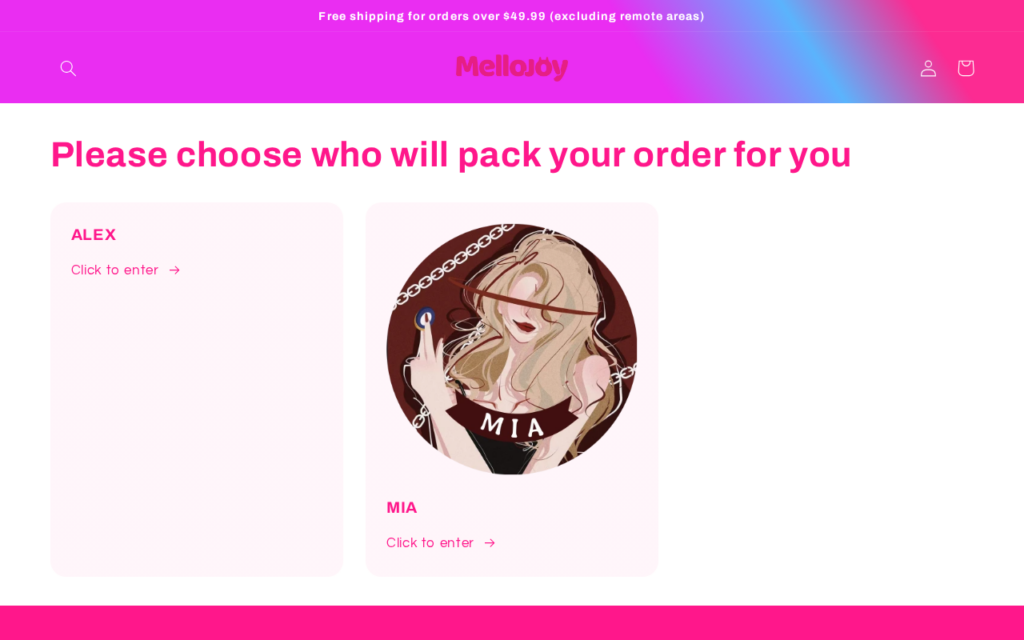
The store’s role stops at pricing, ads and payments. It never touches the goods; a supplier you’ll never hear from packs your order and sends it.
If Jojofantasy.com feels familiar, there’s a reason. It’s part of a scam network of lookalike stores built on shared templates, product photos and return policies, reopening under new names.
What arrives is far below what the ads show
You won’t receive the product in the pictures. They’re usually borrowed from other sellers or brands, and the very low quality items that do arrive look nothing like the ads.
Returns that don’t pay off
The refund policy can seem like a safety net. Once you look at the details, they say otherwise:
- China is the return address. That’s usually where unwanted items have to go, and you cover the postage to get them there.
- Postage can beat the price tag. For a $25 item, international shipping can cost more than the item itself.
- The refund offer is a discount. A return request usually gets you 15% to 30% back to hang on to the item, not a full refund.
- Help takes its time. Email is usually the only way to reach anyone, and you can wait days for each answer.
Our verdict: Jojofantasy.com is high risk. Do not buy from it. The item will likely be worth far less than you paid, and returning it isn’t a practical option.
What We Found on Jojofantasy.com
A few details about Jojofantasy.com stand out:
- Jojofantasy.com was registered on June 28, 2024, about 2 years ago.
- The MalwareTips URL scanner gives Jojofantasy.com a Safety Score of 30/100, rated High Risk (full report).
- The only contact address on Jojofantasy.com is a free Outlook email account, not a company domain; a real retailer answers from its own domain.
What Happens When You Order from Jojofantasy.com
Most orders unfold in a familiar sequence. Recognize it early, and you can save the money along with weeks of emails going back and forth.
Step 1: A price in an ad that looks too good
It usually starts while you scroll Facebook, Instagram or TikTok. A short video or polished photo flashes a steep discount on the product, often next to a “limited time” tag.
You’ll often find that exact product video in ads for dozens of other shops. Every one of them buys from the same suppliers and reuses the same marketing material.
Step 2: A big-looking store with little behind it
Jojofantasy.com’s categories, star ratings and friendly About Us page give it an established feel. Strip those away and you often find a store template and a supplier list.
The same goes for the About Us story. A small family business, a passionate founder: it’s usually template text that appears on many unrelated shops.
Step 3: The long wait for your order
Because the parcel comes from China, the 5 to 7 days on offer can turn into three or four weeks. Tracking can also sit on one update for days.
Instead of one box, some orders arrive as several small packages, each tracked on its own. Lose one, and it can be hard to show what never came.
Step 4: What you get doesn’t match what you saw
Open the box and you find a smaller, thinner or more basic version of what the ad showed. Items like it sell elsewhere for pocket change.
Clothing tops the complaints. The fabric feels cheap and the stitching comes loose, while the site shows one size chart and the garments follow a completely different one.
Step 5: A return that’s not worth mailing
The refund path runs through China. After you send photos, you’re told to ship the item there, and the postage on its own can cost as much as the refund.
Then comes the usual counteroffer. Keep the item, they say, and get 15% to 30% back. That still leaves you covering most of the price for something you never wanted.
Lots of buyers throw in the towel at this point. The policy was written with exactly that in mind.
Red Flags at Jojofantasy.com
On the surface, Jojofantasy.com looks like a great deal. These signs tell a different story, and each one can be checked in a minute before you pay.
Prices that are too low for what you see
Low prices aren’t a happy accident here. A $29 leather bag or a $19 smartwatch means the item you receive is a much cheaper version than the photos show.
An “original” price struck through beside the real one is meant to impress. It’s rarely genuine. Its purpose is to make an ordinary price look like a discount.
Product shots that live on other websites
Drop a product photo into a reverse image search. It often surfaces on other stores, marketplaces or the website of the brand itself.
If a brand owns the photo, that brand isn’t where your product comes from. If a marketplace has it, you can often order the same item there for less.
No business details you can look up
If your order goes wrong, who do you chase? With stores in this network it’s hard to say, because a company name, tax number or local address rarely appears.
Only an email address for support
With no phone number or live chat, support usually runs through an email address or a contact form. A problem that needs a quick fix can drag on for weeks.
While you wait for an answer, the clock on a bank or PayPal dispute keeps running. Note the deadline so it doesn’t slip past you.
Fake urgency from timers and scarcity badges
Here’s the giveaway: refresh, and the clock resets. Browse, and every item has “only 2 left.” Real inventory doesn’t behave like that, so the pressure is all for show.
Don’t let the clock decide for you. Close the tab, come back later, and if the “sale” hasn’t ended, it was never a limited offer.
Watch for checkout add-ons
The basket can come preloaded with ticked add-ons like shipping protection, priority handling or a second item. Read through every line of the total before you pay.
Those extras rarely speed up delivery or give real cover. They just push up the bill on an order that may already be worth far less than you paid.
The payment page carries an unfamiliar company name
A sudden switch to a payment page carrying someone else’s unrelated name is your signal to stop. Whoever that unfamiliar company is, it would get your card details.
Connected to a network of lookalike scam stores
Dozens of other shops reuse the same About Us story, policies and product photos. One closes, another opens under a new name, and the catalog doesn’t change.
How to Check an Online Store Before You Buy
A few minutes of checking can tell you whether an online shop is worth your money. Start with these questions before you pay:
- Who is selling to you? Look for a company name, a registration or tax number and an address. A shop that names nobody is hard to hold to a promise.
- Where do returns go? Find the return address in the refund policy. If it’s overseas or missing, assume a return will cost more than it’s worth.
- How old is the website? Paste the address into the MalwareTips Website Scanner. It shows the domain’s age and any known warning signs in seconds.
- Are the photos original? Run a reverse image search on a product photo. If the same picture appears on many sites, the item is a generic product.
- What do buyers say elsewhere? Search the store on Trustpilot and in search results, not just the reviews on the shop itself.
- Is the ad real footage? Many shop ads now use AI-generated videos and photos. If the product only ever appears in slick renders, expect something plainer.
- Does the price make sense? Compare it with the same item on a major marketplace. A huge markdown on an unknown shop is a reason to slow down.
- Can you reach a person? A phone number or live chat is a good sign. An email address alone means problems will take a long time to solve.
If several answers come back wrong, close the tab. There’s almost always a seller with a clearer return policy and a company you can actually look up.
For extra protection while you browse, Malwarebytes Browser Guard warns you about many known scam and phishing sites before they load.
Where to Buy Instead
Liked a product on Jojofantasy.com? Try one of these safer options instead:
- Look it up on a large marketplace. That same product often sells there for far less, and you get real reviews plus buyer protection.
- Go for sellers with a local return address. A return you can mail cheaply is a return you’ll actually bother to make.
- Check real buyer photos. They show what turns up at the door, not what the ad promised.
- Look up the seller’s shipping location. Marketplaces display it. If it’s a local warehouse, delivery is faster and returning an item is actually doable.
- Use a payment method with protection. A credit card or PayPal lets you open a dispute if needed.
A little more money may change hands, but what arrives is what you ordered, and refunds get honored.
What to Do If You Already Ordered from Jojofantasy.com
Ordering from a shop like this doesn’t mean the money is gone. Acting early gives you the best chance of fixing the order or getting a refund.
- Save everything. Keep the order confirmation, the tracking number, every email from the store and screenshots of the product page as it looked when you bought.
- Photograph what arrives. Take clear photos of the item, the label and the packaging, especially anything that doesn’t match the listing.
- Ask the store in writing. Email support, describe the problem plainly and say what you want: a full refund or a replacement. Give them a short deadline.
- Don’t pay for an overseas return yet. If the store asks you to ship the item to China, check with your card issuer or PayPal first.
- Don’t accept a token refund. Offers of 15% to 30% back to keep the item are common. If the item isn’t as described, a dispute may get you more.
- Open a dispute if the store stalls. Use “item not received” or “not as described” with your card issuer or PayPal, and attach your evidence.
- Watch the deadlines. Card disputes often allow around 120 days, and PayPal generally accepts claims within 180 days of payment. Don’t let weeks of unanswered emails use them up.
- Ignore “customs fee” texts. Fake delivery messages asking you to pay a fee or update your address often follow online orders. Don’t pay or click.
- Leave an honest review. A short review on an independent site, with photos, helps the next shopper decide.
If you paid by bank transfer, contact your bank right away and ask whether the payment can be recalled. The sooner you call, the better the odds.
If the store won’t cooperate, file a complaint at econsumer.gov, which handles cross-border shopping complaints, or at ReportFraud.ftc.gov in the US.
Frequently Asked Questions
Is Jojofantasy.com a scam?
Shipping isn’t the issue with Jojofantasy.com, a high-risk store in a scam network. Orders may arrive, but items are very low-quality and returns cost too much. Do not buy.
Where does Jojofantasy.com ship from?
China, in most cases. Suppliers there ship the items directly, which is why delivery can take several weeks and tracking updates often trail behind.
Why does the product look so different from the photos?
Usually, the photos were lifted from other brands or sellers. The item that ships to you is a cheaper version made to hit a low price point.
Can I return an item to Jojofantasy.com?
Only the hard way, usually: you pay to send it to China. When the item was cheap to begin with, the postage can cost you more than you recover.
Keep the item for now and contact your card issuer or PayPal. Ask whether a “not as described” dispute would cover you instead of a return.
My order never arrived or isn’t as described. What now?
Go to the store first, in writing. Stalling or a flat no is your cue to open a card issuer or PayPal dispute, attaching item photos and listing screenshots.
Are the reviews on Jojofantasy.com real?
Be wary. A store’s own review section is easy to fill with glowing ratings. For a clearer picture, look up buyer photos and comments on independent sites.
The Bottom Line
Jojofantasy.com’s very low-quality items look nothing like the ads. It’s a high-risk store in a scam network of lookalike shops, and returns there rarely make sense.
The advice is simple: do not buy from Jojofantasy.com. Found an item you really like? Look for it on a marketplace with buyer protection instead.
Already bought something? Save the order email, your product screenshots and photos of what arrives. If the store won’t fix it, dispute the payment with your card or PayPal.

Reviews & discussion
0 commentsShare a firsthand experience, or ask a question.
Community reviews
jojofantasy.com
Moderated reader experiences, not an editorial verdict.
Reviews
Be the first to review
Approved reviews for this site or product will appear here.