

A new lottery scam has emerged in recent times impersonating the story of Laarni Bibal, the winner of a $522 million Mega Millions jackpot in June 2023. Scammers are sending out emails claiming to be from Laarni Bibal herself, stating that she has “voluntarily decided to start assisting individuals financially” by donating $10 million to random selected individuals. The emails congratulate the recipient on being selected and provide instructions to contact an “agent” to claim the non-existent prize money.
This is simply a scam designed to trick victims into sending money to the scammers under the pretense of taxes, fees or other made-up costs. The real Laarni Bibal has no part in these emails, nor is she really handing out millions of her lottery winnings to strangers. This article will provide an in-depth look at how the Laarni Bibal impersonation lottery scam works, who is behind it, and most importantly, how to avoid being deceived and losing money to these criminal imposters.
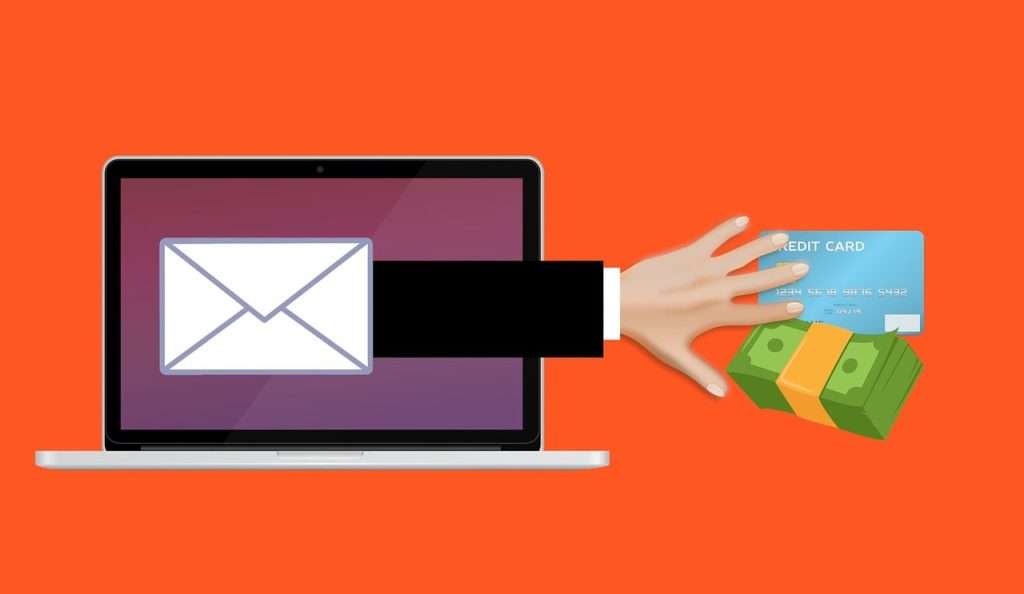
Overview of The Laarni Bibal Impersonation Lottery Scam
The emails claiming to be from Laarni Bibal follow a simple but deceptive formula. They start by referencing her very real $522 million Mega Millions jackpot win in June 2023, establishing her as a verified major lottery winner. This helps build trust and familiarity with the recipient.
The email will then claim Laarni has decided to be extremely generous by donating $10 million to a random group of individuals, and the recipient is congratulated for being one of the lucky few selected. This taps into the common fantasies people have about unexpected windfalls coming their way.
Instructions are provided to confirm the “prize” by contacting an alleged agent, who is an accomplice to the scam. The agent’s role is to persuade victims to send various fees under the guise of taxes, processing costs, anti-terrorism clearance, bonding insurance or other made-up reasons.
Here is how the scam email may look:
Hello I’m Laarni Bibal the winner of the $522 Million Dollars in San Diego California State Lottery on June 7th 2023. I have voluntarily decided to start assisting individuals financially so I’m donating the sum of $10Million each to 5 random individuals. Congratulations if you get this message, because your number was selected after a spin ball as one of the winners. Kindly text the confirmation code LABIK150K to the Agent in-charge Mr. David johnson +1(870) 617-3018 with your full name and address for the confirmation and delivery of your winning. Kindly ignore this message if you are not interested. Thanks!
Of course, any money sent by victims goes straight into the scammers’ pockets. There is no prize money, nor any generous lottery winner seeking to give millions away to strangers. The scammers benefit from the convincing backstory, which adds legitimacy to their ploy.
The real Laarni Bibal has warned the public about these emails impersonating her, and lottery officials have confirmed the whole thing is a scam. But this has not stopped the emails from proliferating and tricking unsuspecting recipients.
How the Laarni Bibal Impersonation Lottery Scam Works
The Laarni Bibal impersonation lottery scam is quite simple in its design, but intelligent in its manipulation. It works in stages:
1. The Initial Contact Email
Victims receive an unsolicited email out of the blue, claiming to be from Laarni Bibal and referencing her $522 million jackpot win. Details are provided such as the date and location of her win, helping to establish authenticity.
The email states she has decided to donate $10 million to a handful of random individuals. The victim is congratulated for being one of the lucky recipients, and instructions are given to contact an “agent” by phone or email.
This initial contact taps into people’s fantasies of sudden wealth. The backstory frames Laarni as a generous benefactor.
2. Building Trust With the Fake Agent
Victims who respond are contacted by the so-called “agent,” whose job it is to build trust and lure them into sending money. The agent will congratulate them again on their “win” and reassure them it’s legitimate.
The agent will seem helpful and friendly, asking for some personal details and making small talk to further build rapport. After mirroring back some personal details to the victim, they will assure them the $10 million is ready to be transferred upon fulfilling some requirements.
This transfer of money to a complete stranger may seem suspicious to some. But the scammers leverage cognitive biases like confirmation bias to make victims believe because they desperately want the winnings to be real.
3. Requesting Upfront “Taxes and Fees”
Once victims are hooked, the agent will explain there are some taxes, processing fees, and other costs required upfront before the $10 million can be released. These could include:
- Processing fees
- Anti-terrorism clearance
- Insurance bonding
- International transfer taxes
- Account setup fees
- Authentication certificate
Whatever the made-up reason, it will seem legitimate enough that victims feel comfortable sending a few hundred or thousand dollars to finally receive their “winnings.”
The reasons are designed to explain why the scammers can’t simply wire victims $10 million directly. This prevents suspicion and makes victims feel like they are just fulfilling routine requirements.
4. Further Requests for More Money
After the first wire transfer is sent, victims expect their $10 million prize to arrive quickly. But complications and delays will arise, for which the agent will request more money to resolve.
Some common reasons include:
- Clerical errors that must be corrected
- Additional new taxes being imposed
- Security measures and legal issues
- Unexpected processing delays
The agent will apologize profusely for the complications, promising the prize is still coming. As long as the victim continues sending money, the scam continues.
5. The Big Letdown
Eventually, even the most trusting victims will become suspicious of endless delays and requests for money. They will demand the winnings be sent immediately or threaten to report the scammers.
At this point, the scammers drop all contact with the victim. Emails and phone calls will go unanswered. The scammers will assume new aliases and seek new potential victims.
The victim is left distraught over the deception and their lost funds, which can sometimes total thousands of dollars. The scammers, meanwhile, profit handsomely from the scam. They leverage the good name of Laarni Bibal to give their ruse credibility.
What To Do If You Are Targeted By This Scam
If you receive an email claiming to be from Laarni Bibal and offering you a share of her lottery winnings, you are likely being targeted by the impersonation lottery scam. Here are the best steps to take:
- Do not respond to the email. Replying will confirm your email is active, potentially exposing you to more scam attempts.
- Forward the email to the Federal Trade Commission at spam@uce.gov and to reportphishing@antiphishing.org to help get the scammer’s website blacklisted.
- Search online for any information confirming the email is a known scam attempt. Avoid clicking links in the email itself.
- If you already responded and gave personal information, monitor your identity closely for signs of theft. Consider reporting the scam attempt to local law enforcement.
- Warn others, especially elderly or vulnerable individuals who may be more susceptible to the scam tactic.
- Learn about lottery scams to recognize the common tricks and tactics scammers use to lure victims. Arm yourself with knowledge.
The most important rule is simple: Never send any form of payment or wire transfer to someone you don’t know in association with a promised payoff. Remain vigilant against scams impersonating lottery winners or randomly selecting you for wealth. What seems too good to be true almost always is.
FAQs About The Laarni Bibal Lottery Donation Scam
What is the Laarni Bibal lottery donation scam?
The Laarni Bibal lottery donation scam is a fraudulent scam where scammers send out emails pretending to be from Laarni Bibal. Laarni Bibal won a $522 million Mega Millions jackpot in June 2023. The fake emails claim Laarni is generously “donating” $10 million to random lucky individuals, and the recipient is one of them. They provide instructions to contact an “agent” to facilitate the transfer. However, it’s all a scam to trick victims into sending money for fake fees. Laarni Bibal has no part in these emails.
How does the Laarni Bibal lottery scam work?
The scammers send out emails randomly congratulating recipients on being selected to receive $10 million from Laarni Bibal’s lottery winnings. They have you contact an “agent” who gains your trust and then starts asking for money to be sent for fake taxes, fees, and other made-up costs. The longer they string you along, the more money they collect from you through repeated wire transfers. There is no prize money, and any funds sent are pocketed by the scammers.
What techniques do the scammers use?
The scammers rely on creating a believable backstory using Laarni Bibal’s real lottery win to establish trust. They exploit cognitive biases people have about windfalls. The fake agent builds rapport and mirrors back personal details to further trick victims. Scammers leverage confirmation bias and convincing excuses for delays to keep victims hooked and sending more money.
How can I avoid this lottery scam?
If you get an email out of the blue claiming you won money from Laarni Bibal, ignore it. Do not reply or click any links. Forward the scam email to spam and anti-phishing authorities. Never send any kind of payment or wire transfer to someone you don’t know. Be wary of anyone asking for upfront fees to release “winnings.” Verify a lottery win is real before taking any actions.
What if I already gave the scammers money?
If you already responded and made payments, immediately stop sending any additional money. Notify your bank and local law enforcement officials about the fraud. Monitor your accounts closely for any signs of identity theft. Continue reporting the scam attempt to every relevant authority to help warn and protect others.
How can I spot similar lottery scams?
Be alert for unsolicited contacts claiming you won money in a foreign lottery or random drawing you don’t recall entering. Research a supposed lottery win to confirm it’s legitimate. Any request for upfront fees, taxes or payments is a red flag of a scam. Never act solely on emails, ads or phone calls informing you of a jackpot.
H2: Are there legitimate ways to win the lottery?
H3: 7. Yes, you can legitimately win the lottery by purchasing official tickets and matching the winning number combinations. Winners are contacted directly by lottery officials or legally mandated third parties. You will never be asked for money upfront to receive winnings from a legitimate regulated lottery. Stick with official lottery games in your state or jurisdiction.
H2: What precautions can I take against scams?
H3: 8. Be wary of unsolicited contacts and too-good-to-be-true offers. Never give out personal or banking details to unknown parties. Verify a source is legitimate before taking any requested actions, especially sending money. Learn common scam tactics like impersonation fraud so you can recognize the red flags. And always remember that real lotteries don’t require fees to award prizes.
The Bottom Line
The scam emails impersonating Laarni Bibal, a real and verified major lottery winner, are deliberately deceptive messages aiming to trick recipients out of money. They leverage her compelling backstory to convince victims to send payments to claim fake prizes.
But Laarni Bibal has no involvement whatsoever in these scams. She is not giving away her winnings, and any communication stating otherwise is fraudulent. Remember that legitimate lotteries never ask for upfront fees of any kind before dispensing prize money.
Be wary of any unexpected emails promising you massive wealth, especially involving lotteries and other windfalls. Stay safe online by avoiding clicking unknown links, responding to suspicious messages, or sending any form of payment or personal information to unverified people.
With knowledge of how these impersonation scams operate, you can identify the red flags and protect yourself and loved ones from these malicious criminal operations.








