

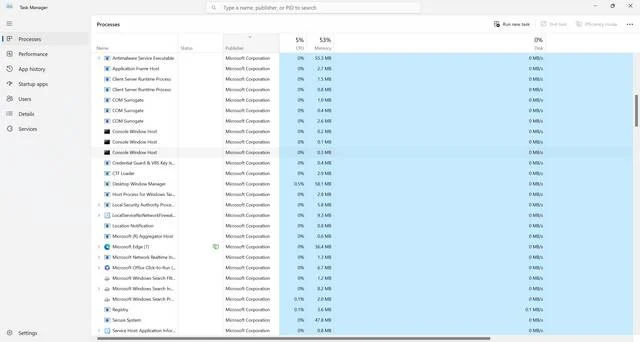
When you open the Task Manager on your Windows computer, you may come across a process called “Lenovo System Interface Foundation” or “lsif.exe” running in the background. This may raise some questions and concerns about its purpose and whether it is necessary for your system’s functionality. In this article, we will delve into the details of the Lenovo System Interface Foundation process, its significance, and why it is running in Task Manager.
Understanding Lenovo System Interface Foundation
The Lenovo System Interface Foundation (LSIF) is a software component developed by Lenovo, a leading computer manufacturer. It serves as an interface between the operating system and various Lenovo-specific applications and drivers installed on your computer. LSIF enables these applications and drivers to communicate with the underlying hardware and provide enhanced functionality.
LSIF is typically installed on Lenovo computers as part of the pre-installed software package. It helps facilitate the integration of Lenovo-specific features, such as keyboard shortcuts, hotkeys, power management, and system diagnostics. These features are designed to enhance the user experience and optimize the performance of Lenovo devices.
Why Is Lenovo System Interface Foundation Running in Task Manager?
Seeing the Lenovo System Interface Foundation process running in Task Manager is completely normal and expected on Lenovo computers. It is a legitimate system process that runs in the background to ensure the proper functioning of Lenovo-specific applications and drivers.
Here are a few reasons why LSIF may be running in Task Manager:
- Integration with Lenovo-specific applications: LSIF enables seamless integration between the operating system and Lenovo-specific applications, such as Lenovo Vantage, Lenovo Settings, and Lenovo Companion. These applications provide users with access to system settings, updates, and support resources.
- Driver management: LSIF helps manage and update the drivers specific to Lenovo devices. It ensures that the latest drivers are installed, which can improve system stability, performance, and compatibility.
- Hardware communication: LSIF acts as a bridge between the operating system and the hardware components of Lenovo devices. It allows the operating system to communicate with the hardware and utilize its features effectively.
It is worth noting that LSIF consumes minimal system resources and does not significantly impact the overall performance of your computer. Therefore, there is no need to be concerned about its presence in Task Manager unless you notice any unusual behavior or performance issues.
Should You Remove Lenovo System Interface Foundation?
While the Lenovo System Interface Foundation process is essential for the proper functioning of Lenovo-specific applications and drivers, there may be instances where you might consider removing it. However, it is crucial to exercise caution and evaluate the potential consequences before taking any action.
Here are a few scenarios where you might consider removing LSIF:
- Conflicts with other software: In some cases, LSIF may conflict with other software installed on your computer, leading to compatibility issues or system instability. If you experience such conflicts, you may consider removing LSIF after consulting Lenovo support or seeking professional assistance.
- Unwanted resource consumption: If you notice that LSIF is consuming a significant amount of system resources or causing performance issues, you can try disabling or removing it. However, it is advisable to consult Lenovo support or perform thorough research before making any changes.
- Security concerns: While LSIF is a legitimate process, it is always recommended to stay vigilant and ensure that your system is free from any potential security threats. If you suspect any malicious activity or encounter security-related issues, it is advisable to scan your system for viruses and malware using reliable security software like Malwarebytes Free.
Before removing LSIF, it is crucial to create a system backup and carefully follow the recommended procedures provided by Lenovo or trusted sources. Removing LSIF without proper knowledge or guidance may lead to unintended consequences, such as loss of functionality or system instability.
Conclusion
The Lenovo System Interface Foundation process, also known as lsif.exe, is an integral part of Lenovo computers. It enables seamless integration between the operating system and Lenovo-specific applications and drivers, enhancing the user experience and optimizing system performance. While LSIF running in Task Manager is normal, there may be instances where you might consider removing it due to conflicts, resource consumption, or security concerns. However, it is crucial to exercise caution and seek professional guidance before making any changes to ensure the stability and functionality of your Lenovo device.

Join the discussion
0 commentsShare your experience or ask a question about this article.
Discussion
Start the conversation
Have a question or something useful to share? Add the first comment.