

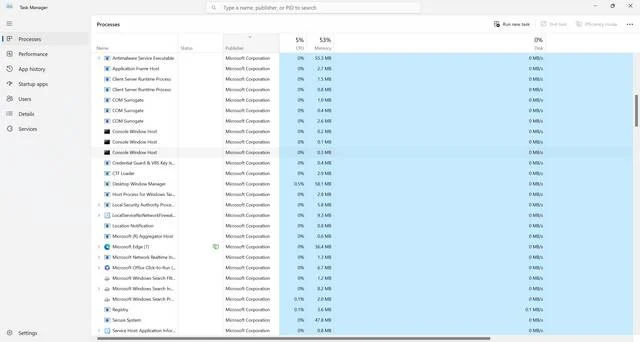
When you open the Task Manager on your Windows computer, you may notice a process called “Lenovo Vantage” running in the background. This can raise questions and concerns for users who are unfamiliar with this process. In this article, we will explore what Lenovo Vantage is, why it is running in Task Manager, and whether it is something you should be worried about.
What is Lenovo Vantage?
Lenovo Vantage is a software application developed by Lenovo, a leading manufacturer of computers and other electronic devices. It is designed to provide users with a centralized hub for managing and optimizing their Lenovo devices. Lenovo Vantage offers various features and functionalities, including system updates, hardware diagnostics, device settings customization, and access to support resources.
Why is Lenovo Vantage Running in Task Manager?
Lenovo Vantage runs in Task Manager to ensure that it is always available and ready to provide its services to users. By running in the background, Lenovo Vantage can monitor system health, check for updates, and perform other tasks without requiring the user to manually launch the application.
Additionally, Lenovo Vantage may also run in Task Manager to support specific features or functionalities that require continuous background processes. For example, if you have enabled automatic system updates through Lenovo Vantage, the process will run in the background to check for updates and install them when necessary.
Is Lenovo Vantage a Virus or Malware?
Lenovo Vantage is not a virus or malware. It is a legitimate software application developed by Lenovo. However, it is important to note that malware can sometimes disguise itself as legitimate processes to avoid detection. If you suspect that Lenovo Vantage or any other process on your computer is malicious, it is recommended to scan your system with reliable antivirus or antimalware software.
If you want to scan your computer for viruses or malware, we recommend using Malwarebytes Free. Malwarebytes is a trusted and effective antivirus solution that can help detect and remove malware from your system.
Should You Disable Lenovo Vantage?
Disabling Lenovo Vantage is not recommended unless you have a specific reason to do so. Lenovo Vantage provides valuable features and functionalities that can enhance your overall user experience with your Lenovo device. By disabling it, you may miss out on important system updates, hardware diagnostics, and other useful tools.
However, if you find that Lenovo Vantage is consuming excessive system resources or causing performance issues, you can try the following troubleshooting steps:
- Restart your computer: Sometimes, a simple restart can resolve temporary issues and improve system performance.
- Update Lenovo Vantage: Make sure you have the latest version of Lenovo Vantage installed. Updates often include bug fixes and performance improvements.
- Check for conflicting software: Some third-party software or antivirus programs may conflict with Lenovo Vantage. Temporarily disabling or uninstalling such software can help identify the cause of the performance issues.
- Contact Lenovo Support: If the performance issues persist, it is recommended to reach out to Lenovo Support for further assistance. They can provide specific troubleshooting steps based on your device model and configuration.
Conclusion
Lenovo Vantage is a legitimate software application developed by Lenovo to provide users with a centralized hub for managing and optimizing their Lenovo devices. It runs in Task Manager to ensure that it is always available and ready to provide its services. While it is not a virus or malware, it is important to stay vigilant and scan your system regularly for any potential threats.
If you encounter any performance issues related to Lenovo Vantage, try the troubleshooting steps mentioned above. Remember, disabling Lenovo Vantage should only be considered as a last resort, as it offers valuable features and functionalities that can enhance your overall user experience.
By understanding the purpose and functionality of Lenovo Vantage, you can make informed decisions regarding its presence in Task Manager and optimize your Lenovo device for the best performance.

Join the discussion
0 commentsShare your experience or ask a question about this article.
Discussion
Start the conversation
Have a question or something useful to share? Add the first comment.