

Viral social media ads promoting Life Heater portable heaters use dubious claims and fake reviews to lure in consumers. But disappointed buyers report these overhyped Life Heater units radically under-deliver. This article will uncover how this heating scam works and provide tips to avoid getting ripped off.
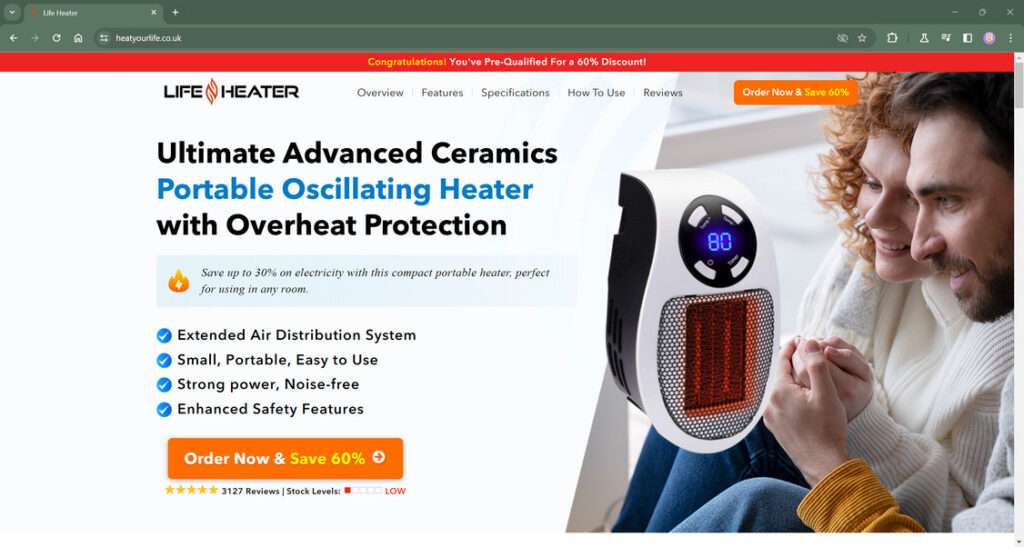
Overview of the Life Heater Portable Heater Scam
The Life Heater scam is the latest version of a prevalent bait-and-switch false advertising scheme making grandiose claims about cheap $3 portable heaters sourced from Chinese exporters. The scammers continuously recreate new brands like EcoHeat, Hot Amigo, and now Life Heater to promote the exact same ineffective products using exaggerated claims across ever-changing social media ads.
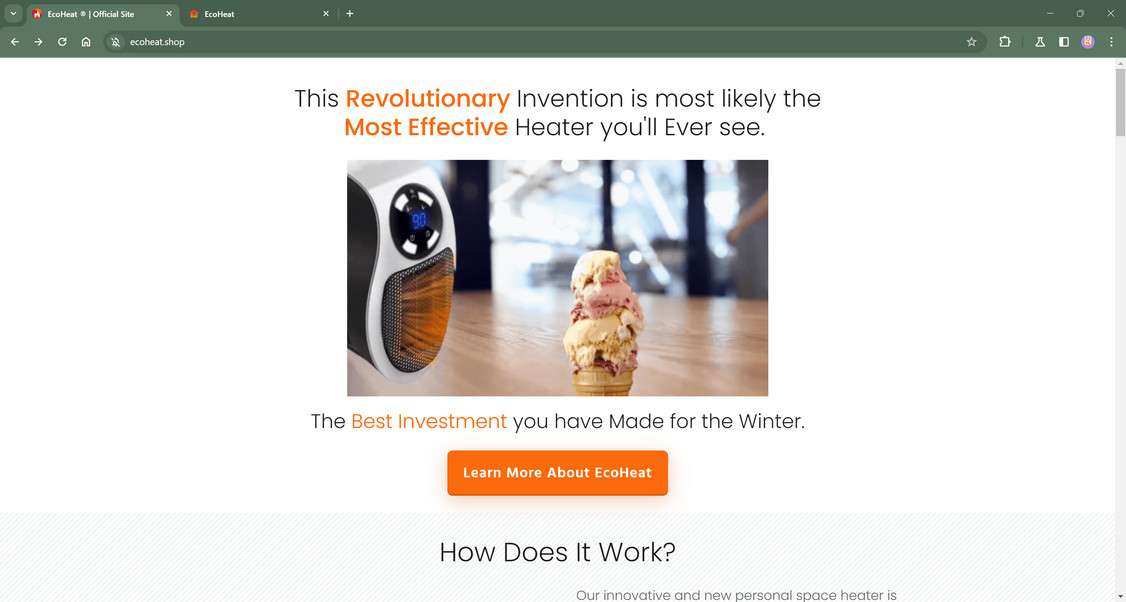
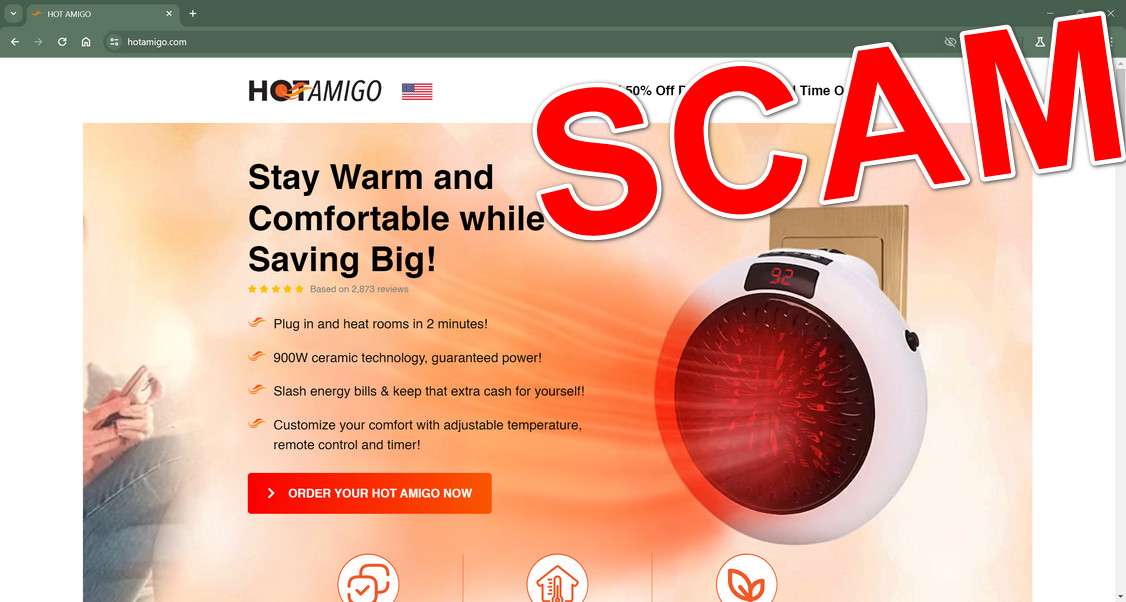
These compelling Facebook, Instagram, YouTube and TikTok ads tout things like “instant room heating in 2 minutes,” “advanced ceramic technology,” “slashing energy bills by 30%,” and “thousands of 5-star reviews.” However, the actual generic heaters shipped out are low-quality $3 units purchased in bulk from Alibaba and other Chinese export sites.
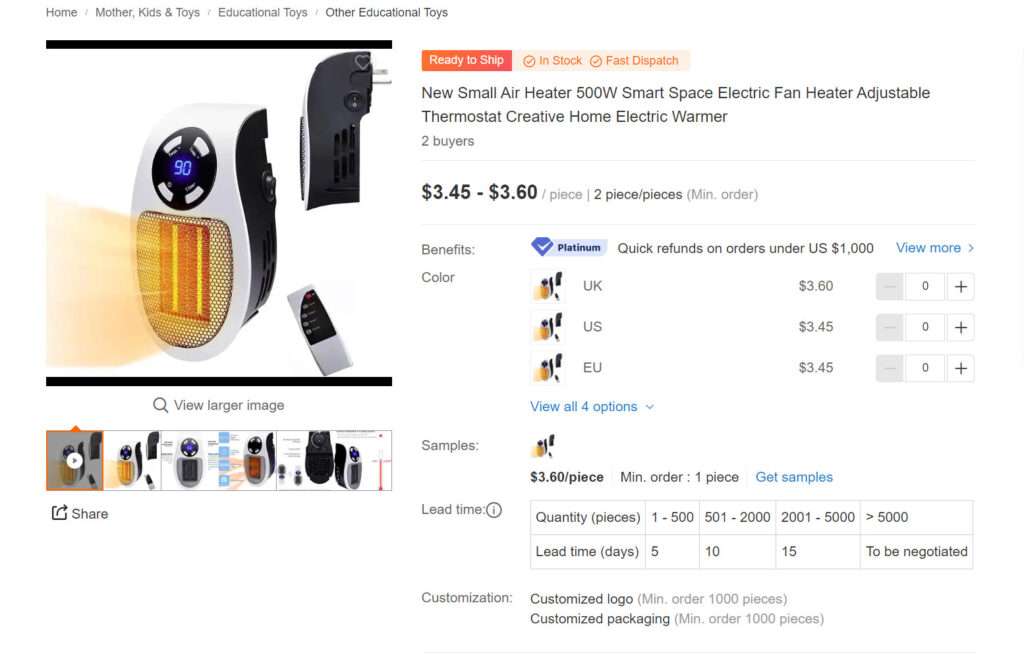
These mass-produced personal heaters completely fail to deliver the advertised rapid heating, energy savings, or performancecapabilities. Yet victims report being charged $89, $125, or even over $200 per unit due to the absurd markups.
The bait-and-switch scam banks on using urgency tactics and misleading marketing to generate impulse purchases before skeptical buyers can thoroughly research the pop-up companies behind the ads. After payments are extracted, refunds are notoriously difficult or impossible to obtain.
The anonymous scammers work aggressively to bury negative reviews and feedback about the true performance of these remarkably underpowered heaters. They routinely ignore refund requests and complaints, providing no way to actually contact them post-purchase.
These shady tactics are designed to suppress the truth in order to keep the scam going. Legitimate businesses that stand behind their products do not operate like this.
In summary, the Life Heater scam relies on wildly exaggerating the capabilities of cheap, generic $3 heaters imported from China in order to massively overcharge consumers. The ads bear no resemblance to the actual products received. This guide will explore exactly how this predatory bait-and-switch advertising scheme manages to repeatedly dupe buyers.
How the Deceptive Life Heater Scam Works
The Life Heater scam follows a calculated deception playbook to overcharge consumers and suppress negative reviews. Here’s an in-depth look at the process.
Phase 1: Crafting Misleading Social Media Ads
The scam starts with carefully designed social media ads falsely depicting Life Heater as a remarkable room heating innovation. The scammers routinely run ads on platforms like Facebook, Instagram, YouTube, TikTok and more.
These compelling ads tout things like “rapid 2 minute heating” and use fake reviews, certification badges and urgency tactics to generate clicks to their sales funnels quickly.
Some examples of the dubious claims and techniques used in the ads include:
- “Heats up any room from top to bottom in just 2 minutes!” But real reviews reveal slow, modest warming.
- “Save up to 30% on electricity.” This vastly overstates any savings from running these units.
- Fake 5-star review snippets like “Keeps me so warm all winter!” when its heating ability is mediocre.
- “50% off limited time deal!” and other countdown timers or scarcity claims urging immediate purchase.
- Showing people happily bundled up and warm near the heater – when it can’t heat nearly that much area effectively.
The goal is to present an extremely exaggerated depiction of Life Heater’s abilities in order to generate a flood of clicks driven by hype.
Phase 2: Deceptive Sales Pages Confuse and Upsell
After clicking one of the misleading social media ads, consumers are funneled to shady sales pages with more dubious claims and high pressure sales tactics.
These pages utilize additional tricks like:
- Fake limited-time discounts like “60% off today only!” to panic buyers.
- Fake scarcity claims of “only 29 left!” to also urge hurried purchases.
- Aggressive upselling options to buy 2, 3 or 5 Life Heater units at once.
- Burying negative reviews and limiting Q&A sections to suppress research.
- Repeating the same exaggerated claims about quick heating, energy savings, portability and safety.
- No company information, address or contact details provided anywhere on the site.
The combative sales pages aim to limit research into the true source of the units while pushing impulse bundle purchases of multiple overpriced heaters.
Phase 3: Refusing Returns and Ignoring Complaints
Unfortunately, many consumers realize post-purchase they have been scammed. When attempting to return the disappointly underpowered Life Heater units, common responses include:
- Ignoring emails or sending back automated responses only.
- Customer service numbers that hang up, disconnect, or forward to unrelated companies.
- Refusing returns and claiming “you missed the 30 day refund window.”
- Rejecting credit card chargebacks by using fake shipping information and details.
- Forcing unwanted “exchanges” for the same dubious heaters, rather than refunds.
- No way to contact the company or people behind the scam.
This pattern of refusing returns and obscuring negative feedback is a key indicator of a fly-by-night scam operation with no real customer support after payments are collected. Legitimate businesses do not operate like this.
What To Do If You Purchased a Life Heater Unit
If you unfortunately already ordered one of these heavily advertised but underperforming Life Heater units, follow these steps:
1. Dispute the charges immediately: Call your credit card company and request a chargeback refund, reporting the charges as fraudulent. Provide details on how the product was misrepresented in the ads.
2. Gather evidence: Take photos and videos showing how the real Life Heater fails to heat your space quickly or efficiently compared to the advertised capabilities.
3. File complaints: Submit reports to the FTC, state attorney general, RipOff Report and other consumer protection sites explaining it’s a scam.
4. Leave reviews: Warn others by leaving negative reviews about the misleading ads on Trustpilot and other review sites. Social media posts also help.
5. Escalate with your bank: If chargebacks fail, request arbitration from your credit card issuer to recover the funds. Reiterating evidence seems to help get refunds.
With persistence and good documentation, many Life Heater customers report getting their money back by exposing the bait-and-switch scam. But prevention is always best – read on for tips.
Avoiding Life Heater Scams: What To Know
Here are some top tips for spotting and avoiding Life Heater heater scams lurking online:
- Outlandish claims – Any heater promising to heat giant rooms in 2 minutes is almost certainly exaggerating massively. Take such claims with skepticism.
- Fake reviews – Watch for “reviews” that seem overly perfect with no negatives at all. Scammers routinely fabricate positive reviews.
- High pressure tactics – Limited time discounts and scarcity claims are red flags something is being rushed for a reason.
- Research sellers – Thoroughly vet any company advertising heavily online before buying. Check for warning signs like no address.
- Buy local – When possible, inspect and purchase heaters at local stores you trust rather than online ads.
- Avoid “miracle” products – Any gadget seeming too good to be true online likely is. Stick to proven brands and impartial reviews.
Staying vigilant and doing your own research is crucial to avoid getting misled by overhyped products like Life Heater pushed through deceptive marketing. Only buy directly from reputable retailers you can fully verify.
Frequently Asked Questions About the Life Heater Scam
Misleading Life Heater ads are proliferating online using dubious claims and fake reviews. This FAQ answers key questions about identifying and avoiding this pervasive scam.
What exactly is the Life Heater scam?
The Life Heater scam uses deceptive ads to promote cheap $3 portable heaters imported in bulk from China as high-tech heating innovations that can instantly warm rooms. In reality, the units drastically underperform versus the exaggerated marketing claims.
How are the Life Heater heaters advertised?
Scammers run Facebook ads, YouTube videos, TikTok posts and influencer marketing making unbelievable claims about Life Heater capabilities using fake demonstrations and fake reviews.
What misleading claims do the Life Heater ads make?
Some dubious claims are instant room heating, advanced ceramic technology, significant electricity bill savings, completely silent operation, and thousands of perfect 5 star reviews.
Where do the fraudulent ads lead if you click on them?
The fake ads funnel victims to dubious websites packed with more misleading claims, fake scarcity tactics, fake discounts and urgent calls to purchase before fake timers run out.
What happens after a victim purchases the Life Heater?
Many report the sellers instantly refuse refunds after taking payment and then disappear without providing any way to contact them regarding the underperforming units.
What are warning signs of a Life Heater scam?
Red flags include exaggerated claims, only accepting credit cards, no company information provided, refusing refunds, deleting negative comments and having no way to contact the seller post-purchase.
What should you do if you realized you were scammed?
If you purchased a Life Heater and realized it’s a scam, immediately contact your credit card issuer to dispute the charges as fraudulent and request a chargeback refund.
How can you avoid Life Heater scams?
Apply healthy skepticism to “miracle” products overhyped in online ads. Thoroughly research sellers and only buy directly from reputable retailers you can fully verify. Beware of claims that seem too good to be true.
Where can I report a fraudulent Life Heater ad or website?
You can report Life Heater scams to consumer protection agencies like the FTC, state attorney generals, social networks on which the ads appear, and websites like RipOff Report.
The Bottom Line on the Life Heater Scam
In summary, here are the key facts to remember about the Life Heater heater scam:
- Social media ads use wild claims, fake reviews and urgency to push sales
- Deceptive sales pages use countdown timers and limited stock claims to urge rushed purchases
- The actual heaters underdeliver and fail to match the capabilities touted
- Scammers routinely deny refunds and ignore buyer complaints
- Vet sellers thoroughly and buy from trusted retailers only to avoid scams
- Persistence with banks can result in refunds, even post-purchase in some cases
Hopefully this guide provides ample details on how the Life Heater scam works plus guidance if you unfortunately purchase one of these overhyped heaters. Stay vigilant for “miracle” products pushed via social media designed to extract payments, not satisfy customers.

Join the discussion
0 commentsShare your experience or ask a question about this article.
Discussion
Start the conversation
Have a question or something useful to share? Add the first comment.