

Phishing scams have become increasingly prevalent in recent years, with cybercriminals constantly devising new and sophisticated methods to trick unsuspecting individuals into revealing their personal information. One such scam that has gained traction is the ‘LinkedIn Update’ phishing scam email. In this article, we will delve into what this scam entails, how it works, what to do if you have fallen victim, and provide valuable insights to help you stay safe online.
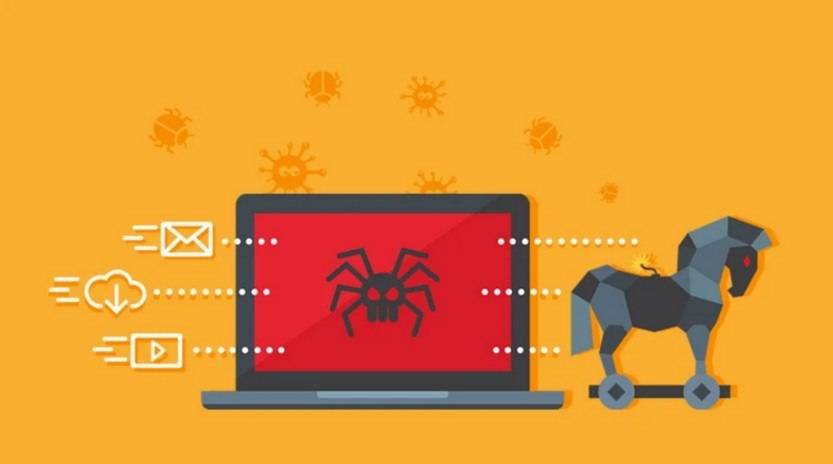
What is the ‘LinkedIn Update’ Phishing Scam Email?
The ‘LinkedIn Update’ phishing scam email is a fraudulent email that appears to be from LinkedIn, a popular professional networking platform. The email is designed to trick recipients into believing that they have received a legitimate LinkedIn notification or update. The goal of this scam is to deceive individuals into clicking on malicious links or downloading attachments that contain malware.
How Does the Scam Work?
The ‘LinkedIn Update’ phishing scam email typically follows a similar pattern. Here is a step-by-step breakdown of how the scam works:
- The scammer sends an email that appears to be from LinkedIn, using a spoofed email address that may closely resemble a legitimate LinkedIn address.
- The email subject line often includes phrases like “LinkedIn Update” or “New Connection Request.”
- The body of the email contains content that mimics a genuine LinkedIn notification, such as a connection request or a message from a potential contact.
- The email includes a link or an attachment that the recipient is urged to click on or download.
- If the recipient falls for the scam and clicks on the link or downloads the attachment, they may unknowingly install malware on their device or be redirected to a fake website that prompts them to enter their login credentials.
- The scammer can then use the stolen information for various malicious purposes, such as identity theft or unauthorized access to the victim’s accounts.
What to Do If You Have Fallen Victim?
If you have fallen victim to the ‘LinkedIn Update’ phishing scam email, it is crucial to take immediate action to minimize the potential damage. Here are the steps you should follow:
- Disconnect from the internet: Unplug your device from the network or disable your Wi-Fi to prevent further communication between the compromised device and the scammer.
- Scan for malware: Run a thorough scan of your device using reliable antivirus software, such as Malwarebytes Free, to detect and remove any malware that may have been installed.
- Change your passwords: Immediately change the passwords for all your online accounts, especially your LinkedIn account, to prevent unauthorized access.
- Monitor your accounts: Regularly monitor your financial and online accounts for any suspicious activity. Report any unauthorized transactions or changes to the respective service providers.
- Be cautious of future emails: Exercise caution when opening emails, especially those that request personal information or contain suspicious links or attachments. Verify the sender’s email address and double-check the legitimacy of the email before taking any action.
Protecting Yourself from Phishing Scams
Prevention is always better than cure when it comes to phishing scams. Here are some proactive measures you can take to protect yourself:
- Be skeptical of unsolicited emails: Be wary of emails that you were not expecting or that seem suspicious. Look out for poor grammar, spelling mistakes, or generic greetings.
- Verify the sender’s identity: Double-check the email address and domain of the sender. Scammers often use email addresses that closely resemble legitimate ones.
- Hover over links: Before clicking on any links in an email, hover your mouse over them to reveal the actual URL. If the URL looks suspicious or different from what is displayed, do not click on it.
- Keep your software up to date: Regularly update your operating system, web browsers, and antivirus software to ensure you have the latest security patches and protection against known vulnerabilities.
- Enable two-factor authentication: Enable two-factor authentication whenever possible to add an extra layer of security to your online accounts.
Summary
The ‘LinkedIn Update’ phishing scam email is a deceptive tactic used by cybercriminals to trick individuals into revealing their personal information or installing malware. By understanding how this scam works and taking proactive measures to protect yourself, you can significantly reduce the risk of falling victim to such scams. Remember to stay vigilant, verify the legitimacy of emails, and regularly update your security software to stay one step ahead of cybercriminals.

Join the discussion
0 commentsShare your experience or ask a question about this article.
Discussion
Start the conversation
Have a question or something useful to share? Add the first comment.