

When you open the Windows Task Manager, you may come across a process called “lsass.exe” running in the background. This can be a cause for concern for some users, as the name may sound unfamiliar and potentially malicious. In this article, we will explore what lsass.exe is, its purpose, and whether or not it should be removed from your system.
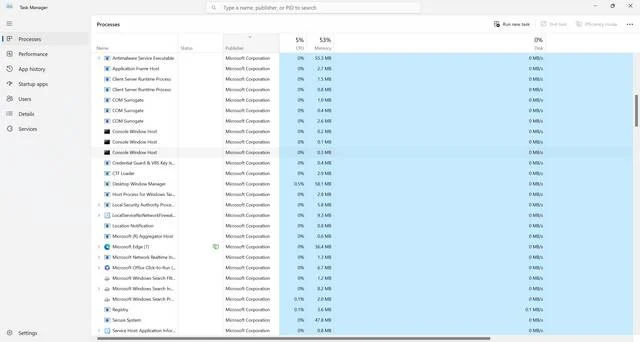
Understanding lsass.exe
Lsass.exe, which stands for Local Security Authority Subsystem Service, is a legitimate Windows process that plays a crucial role in the security and authentication of your operating system. It is responsible for enforcing the security policy on the system, handling user logins, password changes, and verifying the authenticity of users’ credentials.
As an essential component of the Windows operating system, lsass.exe is located in the System32 folder within the Windows directory. It is a critical process that should not be terminated or removed without proper consideration.
Is lsass.exe a Virus or Malware?
While lsass.exe itself is not a virus or malware, it can be targeted by malicious actors to exploit vulnerabilities in the system. Hackers may attempt to disguise their malware by using a similar name, such as “Isass.exe” or “Lsasss.exe,” to trick users into thinking it is the legitimate process.
To ensure that your system is not infected with malware, it is essential to verify the location and digital signature of the lsass.exe process. The legitimate lsass.exe file should be located in the C:\Windows\System32 folder and signed by Microsoft Corporation.
If you suspect that the lsass.exe process on your system is malicious, it is recommended to run a scan with a reputable antivirus or anti-malware software. Malwarebytes Free is a popular choice for detecting and removing malware.
The Importance of lsass.exe
Lsass.exe plays a critical role in maintaining the security and integrity of the Windows operating system. Here are some key functions performed by lsass.exe:
- Authentication: Lsass.exe handles the authentication process for user logins, ensuring that only authorized users can access the system.
- Password Changes: When users change their passwords, lsass.exe is responsible for updating the password information and ensuring its security.
- Security Policy Enforcement: Lsass.exe enforces the security policies defined by the system administrator, such as password complexity requirements and account lockouts.
- Active Directory Access: In a domain environment, lsass.exe interacts with the Active Directory to authenticate users and manage their access rights.
Without lsass.exe, the security of the Windows operating system would be compromised, making it easier for unauthorized users to gain access to sensitive information and perform malicious activities.
Common Issues with lsass.exe
While lsass.exe is a critical process, it can sometimes encounter issues that may affect the performance or stability of your system. Here are some common issues associated with lsass.exe:
- High CPU Usage: In some cases, lsass.exe may consume a significant amount of CPU resources, leading to system slowdowns. This can be caused by malware, software conflicts, or other underlying issues.
- System Crashes: If lsass.exe encounters a critical error or becomes corrupted, it can result in system crashes or the infamous “lsass.exe error” message.
- Security Vulnerabilities: As with any software, lsass.exe may have vulnerabilities that can be exploited by hackers. It is crucial to keep your operating system and security software up to date to mitigate these risks.
If you experience any of these issues, it is recommended to seek assistance from a qualified IT professional or utilize reputable troubleshooting resources to resolve the problem.
Conclusion
Lsass.exe is a critical Windows process responsible for the security and authentication of your operating system. While it is not a virus or malware itself, it can be targeted by malicious actors. It is important to verify the location and digital signature of the lsass.exe process to ensure its legitimacy.
If you suspect that the lsass.exe process on your system is malicious, it is recommended to run a scan with a reputable antivirus or anti-malware software such as Malwarebytes Free.
Remember, removing or terminating the legitimate lsass.exe process can have severe consequences for the security and functionality of your system. If you encounter any issues with lsass.exe, it is best to seek assistance from a qualified professional to ensure proper resolution.
By understanding the role and importance of lsass.exe, you can make informed decisions regarding its presence on your system and take appropriate measures to protect your computer from potential security threats.

Join the discussion
0 commentsShare your experience or ask a question about this article.
Discussion
Start the conversation
Have a question or something useful to share? Add the first comment.