

Marc Jacobs is an acclaimed American fashion designer brand known for handbags, accessories, apparel and fragrances. Unfortunately, scammers are exploiting Marc Jacobs’ reputation to trick customers into buying from fake websites imitating the real Marc Jacobs store.
This scam heavily promotes “clearance sales” with unbelievable discounts up to 90% off on social media platforms like Facebook and Instagram. The ads use Marc Jacobs’ logo and product images to direct customers to fraudulent Marc Jacobs shopping websites. However, the deeply discounted items advertised simply do not exist – victims receive nothing after purchase or extremely low-quality counterfeits if anything.
This article provides an in-depth look at how the Marc Jacobs clearance sale scam works, tips to spot fake Marc Jacobs websites, what to do if you fell victim, and how to protect yourself from these too-good-to-be-true deals.
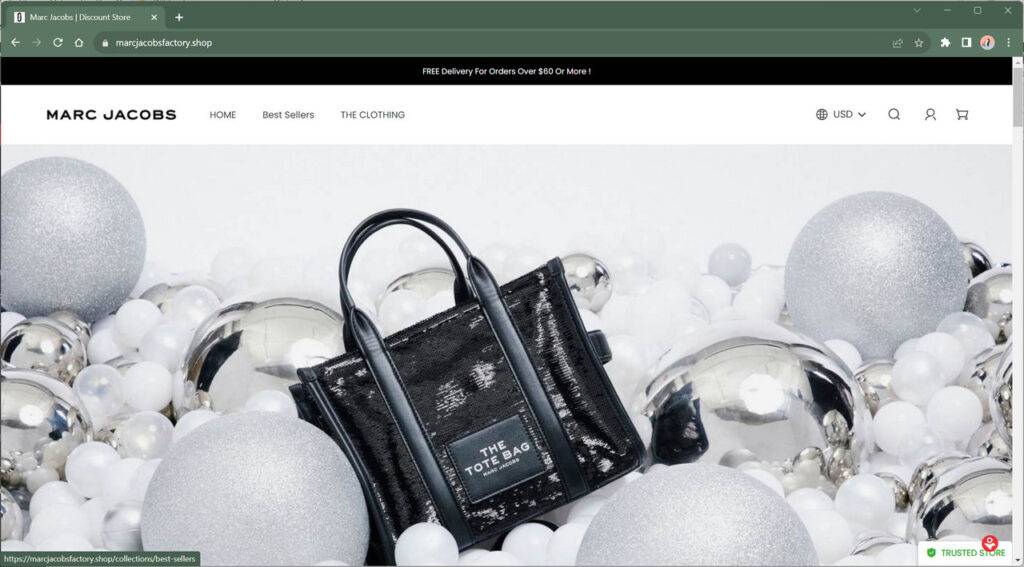
Overview of the Marc Jacobs 90% Off Clearance Sale Scam
The Marc Jacobs clearance sale scam operates by creating elaborate fake e-commerce websites mimicking the real Marc Jacobs online store. Scammers build sophisticated sites integrating Marc Jacobs’ official branding, logos, product catalogs, and overall visual identity.
To lure customers, they run social media ads promoting “blowout” Marc Jacobs clearance sales with absurd discounts up to 90% off handbags, apparel, accessories and beauty items. The posts portray unrealistic prices like $50 for a $500 handbag or $25 T-shirts originally $250.
If someone clicks an ad, they are directed to a scam Marc Jacobs website and tempted to purchase products at incredible bargain prices. However, this fraudulent site simply aims to steal money and personal information.
Victims receive nothing from these scam websites after purchase, or at best a cheap counterfeit item. The fake sites are quickly taken down once the scammers receive enough complaint submissions.
This scam capitalizes on Marc Jacobs’ high-end reputation and the temptation of steep discounts on normally expensive designer goods that seem too good to pass up. But there are ways to spot and avoid these fake websites.
How the Fraudulent Marc Jacobs Websites Operate
The fake Marc Jacobs sites appear impressively realistic on the surface but use deceptive tactics:
- Domain names – The urls seem valid but contain subtle oddities or errors.
- Branding – Marc Jacobs logos, product images, and visual identity replicated throughout each site.
- Content – Product descriptions, policies, and other text lifted from real Marc Jacobs channels.
- Pricing – Handbags, apparel, and items listed at implausibly low prices using pressure tactics.
- Checkout – Payment forms and processors appear legitimate but are set up to steal financial information.
While the fake sites look convincing thanks to Marc Jacobs’ stolen assets and content, inspecting closely exposes their fraudulent nature.
How the Marc Jacobs Clearance Sale Scam Unfolds Step-by-Step:
Here is an in-depth look at how this scam operates from promotion to purchase:
1. Promote Fake Sales on Social Media
The scam starts with sponsored ads on platforms like Facebook, Instagram, and Google. The ads tout messages like “Marc Jacobs Bag Sale! Handbags up to 90% off!” and “Warehouse clearance event – store closing!”.
Popular Marc Jacobs products are shown next to prices like $100, $150 or $200 instead of retail prices over $500+. Urgency and scarcity tactics are used in the ads to prompt immediate action.
2. Drive Traffic to a Sophisticated Fake Marc Jacobs Website
Clicking these social media ads directs users to an elaborate fake Marc Jacobs website convincingly designed to mimic the real luxury shopping experience.
The site integrates Marc Jacobs’ logos, fonts, visuals, and product catalogs into the layout. But small flaws like the URL reveal its fraudulent nature upon close inspection.
3. Lure Customers With Huge Discounts on Designer Goods
The fake Marc Jacobs site advertises extravagant discounts up to 90% off handbags, apparel, accessories and beauty using pressure tactics and urgency to entice orders.
For example, a $500 handbag is listed at $100 or $250 sunglasses at $50. Countdown timers, limited quantities, and similar language aim to motivate quick checkouts.
4. Gather Customer and Payment Details During Checkout
If someone adds items to their cart, the site initiates a familiar checkout process collecting the standard order details – full name, shipping address, contact info, and crucially, payment information.
The payment options present well-known providers like Visa, PayPal, Apple Pay to build additional trust, although transactions only lead to stolen data.
5. Never Ship Any Products After Payment
Weeks later, victims who paid for deeply discounted Marc Jacobs products through these fake websites receive nothing in the mail.
The crooks take the money and shut down the site once enough people complain. A new fake Marc Jacobs store reopens to repeat the lucrative scam.
6. Steal Credit Card and Personal Information
Beyond just collecting payments for unsent orders, the scammers also obtain all personal and financial data entered during checkout on the site.
Names, addresses, credit card numbers, and other sensitive information is valuable on the black market and commonly used for identity theft. This makes avoiding these sites critical.
By mimicking Marc Jacobs’ ecommerce experience and tempting shoppers with dramatic yet unrealistic discounts, these fraudsters trick those allured by the clearance sale deception.
How to Spot Fake Marc Jacobs Websites – 8 Red Flags
With a discerning eye, you can detect the subtle but revealing characteristics that expose fraudulent Marc Jacobs shopping sites. Watch for these telltale signs that a website claiming to sell MJ products is a scam:
1. Suspicious Domain Name
Inspect the url for oddities like misspellings, extra words added, or use of the wrong domain extension. MarcJacobs.com is the only official site.
2. Missing Contact Information
There is no “Contact Us” page with a real physical address, customer service number, and other contact channels. Often only a dubious email is provided.
3. Implausibly Low Prices
Any discounts over 50% off are highly dubious. Be wary of prices like 90% off or $50 for a $500 handbag. Marc Jacobs rarely offers over 40% off.
4. Familiar Looking Website Design
The layout, fonts, colors, navigation, and other elements mimic the real Marc Jacobs website to plagiarize the official shopping experience.
5. Fake Limited Time Messaging
Aggressive “Act Now!” messaging and countdown timers pressure buyers to purchase before scrutinizing the site more thoroughly.
6. Low-Quality Product Images
Image resolution on handbags, apparel, accessories and items appears inconsistent, heavily edited, or sloppy upon close inspection.
7. Generous Return Policy
Detailed return policy information with lenient terms Marc Jacobs does not offer. This falsely conveys legitimacy and trustworthiness.
8. Spelling and Grammar Issues
Numerous typos, poorly translated text, and other writing errors indicate an amateur scam operation.
Heightened awareness of these red flags helps identify fake MJ sites attempting to lure in deal-seeking shoppers with unrealistic pricing and discounts. Always inspect closely and lean on skepticism before providing payment information or data.
How to Identify the Scam on Social Media
The fake Marc Jacobs sales are promoted via sponsored posts and ads on Facebook, Instagram, TikTok and other platforms. Here’s how to recognize them:
Spotting the Scam on Facebook
Watch for Facebook ads using:
- Huge discounts like “Marc Jacobs Bag Sale! Handbags 90% off!”
- Countdown timers and limited quantity tactics urging immediate action
- Marc Jacobs’ logo and product images
- Links to odd domain names instead of the real MarcJacobs.com
- Very little comments or reactions compared to the ad spend
Spotting the Scam on Instagram
Look for Instagram scam ads with:
- Unbelievable prices called out like “Handbags only $50!”
- Captions with slogans like “Clearance sale!” and “Going out of business!”
- Marc Jacobs’ signature branding, bags, apparel and model photos
- A disproportionately low number of likes and comments
- No authentic non-ad content on the account
Spotting the Scam on TikTok
Identify fake TikTok ads using:
- Videos promoting clearance sales with messaging like “Up to 90% off!”
- Urgency tactics in captions pressing viewers to click before a deadline
- Marc Jacobs logos, handbags, clothing, and other products
- Links in bios and captions that divert to shady domains
- Very generic comment responses indicating bots/fake accounts
Apply extra scrutiny to unbelievable designer goods discounts and sales events on social channels. Verify website legitimacy before clicking links or providing information.
Steps to Take if Scammed by a Fake Marc Jacobs Website
If you placed an order through one of these sophisticated fake Marc Jacobs retailer sites, immediately take these actions:
Notify Your Credit Card Provider Instantly
Report the charges as fraudulent to initiate a chargeback. Provide details on the scam Marc Jacobs website and that you never received the products ordered.
Monitor Accounts Closely
Watch for any unauthorized charges indicating your financial information was compromised. Enable real-time transaction alerts through account settings and your bank’s mobile app.
Place a Fraud Alert on Your Credit Report
Contact one of the three credit bureaus to place an initial 90-day fraud alert, which makes opening new lines of credit under your name harder until resolved.
File Complaints With Recovery Agencies
Submit details on the scam site, lost money, and payment information used to the FBI’s Internet Crime Complaint Center and Federal Trade Commission to aid investigations.
Warn Social Media Followers
Comment on the ads and posts driving traffic to scam sites to forewarn others. Report them as fraudulent directly to platforms like Instagram and Facebook.
Only Dispute Products Never Delivered
Some scam victims receive fake knockoff items. Only dispute payment if you never got anything at all, since receiving an undesirable product sent still means you cannot falsely claim non-delivery.
Taking proactive measures limits damages from lost money to stolen identity info. Reporting also helps curb the scam’s success by exposing fraudulent Marc Jacobs retailer websites.
How to Avoid Fake Marc Jacobs Online Sales Scams
Here are some tips and best practices to protect yourself from clearance sale scams involving designer brands:
- Only buy directly from MarcJacobs.com – Never purchase through third parties. Stick to the official website for guaranteed authenticity.
- Research current products and pricing – If a deal seems too good to be true, double check against official Marc Jacobs listings.
- Avoid new, unfamiliar websites – Only trust established online retailers with long track records and numerous reviews.
- Read reviews and complaints – Research consumer experiences which often expose commonly scammed sites.
- Use credit cards for purchases – Never enter debit card or bank account information on lesser-known sites. Disputing credit charges is easier.
- Verify security seals – Ensure sites have https protocol and the padlock icon in the URL bar.
While tempting clearance sales reach out, apply extra scrutiny. Trust your instincts and verify legitimacy to avoid being scammed. Only purchase designer goods from authorized retailers at reasonable price points.
Frequently Asked Questions About the Fake Marc Jacobs Sales
Many people have questions about the fraudulent Marc Jacobs websites promoting clearance sales and huge discounts. Here are answers to some common FAQs about this designer scam:
Are the Marc Jacobs 90% off deals on Facebook real?
No. Any social media advertisements for Marc Jacobs clearance sales with discounts over 50% off are scams. Marc Jacobs rarely offers more than 40% discounts even during major sales events. Ignore and report any ads promoting 90% off or similar as fraudulent.
How can I tell if a Marc Jacobs website is fake?
Inspect the URL for odd spellings, extra words added, or the wrong domain extension. Also look for contact info pages missing key details, prices far below normal retail value, and no links to Marc Jacobs’ social media accounts.
What happens if I order from a fake Marc Jacobs website?
You will likely receive nothing after payment, or at best a low-quality counterfeit item rather than the real Marc Jacobs products ordered. The scammers simply pocket your money and use any stolen financial information for fraud.
Can I get a refund if I purchase from a scam website?
If you paid by credit card you have a strong ability to dispute the charges as fraudulent and recover lost funds. Debit cards and wire transfers offer less purchase protection and recourse for obtaining refunds.
How do I report a fake Marc Jacobs website?
Contact Marc Jacobs directly to notify them of scam websites misusing their brand name and intellectual property without authorization. You can also file a complaint with the FBI’s Internet Crime Complaint Center.
Does Marc Jacobs offer clearance sales on its website?
No. Marc Jacobs does not offer widespread clearance sales or deep discounts over 40% off on its official website. Limited holiday offers may run but prices are never slashed by 90% or anywhere close. Be very suspicious of any advertised blowout sales.
How can I avoid the fake Marc Jacobs sale scams?
Only purchase directly from MarcJacobs.com or authorized retailers like Saks, Nordstrom, etc. Never provide payment information to unfamiliar third-party websites, especially with unrealistic discount pricing. Use caution and verify legitimacy to avoid being scammed.
Apply heightened scrutiny to avoid falling victim to unbelievable Marc Jacobs limited-time sales and clearance deals. Verify website legitimacy through contacting MJ and trusting your instincts.
The Bottom Line
Marc Jacobs’ elite status as a luxury fashion brand has made it a target for elaborate fake ecommerce websites claiming to offer huge clearance discounts on handbags, apparel, accessories and beauty items. By mimicking Marc Jacobs’ web design and running social media ads with dramatic savings, they lure deal-seeking shoppers into relinquishing payment and personal information that is ultimately stolen.
However, telltale signs like unbelievable pricing, missing contact pages, and pressure tactics can expose fraudulent websites posing as legitimate retailers before major losses occur. Avoid falling victim to clearance sale scams by purchasing directly from official brand channels and being skeptical of discounts that seem too good to be true. Your caution is the best defense against these creative online shopping scams.

Join the discussion
0 commentsShare your experience or ask a question about this article.
Discussion
Start the conversation
Have a question or something useful to share? Add the first comment.