

As the founder of Facebook and one of the most famous tech entrepreneurs, Mark Zuckerberg has amassed over 100 million followers across social media. His popularity also makes him a prime target for impersonation by scammers seeking to exploit his credibility.
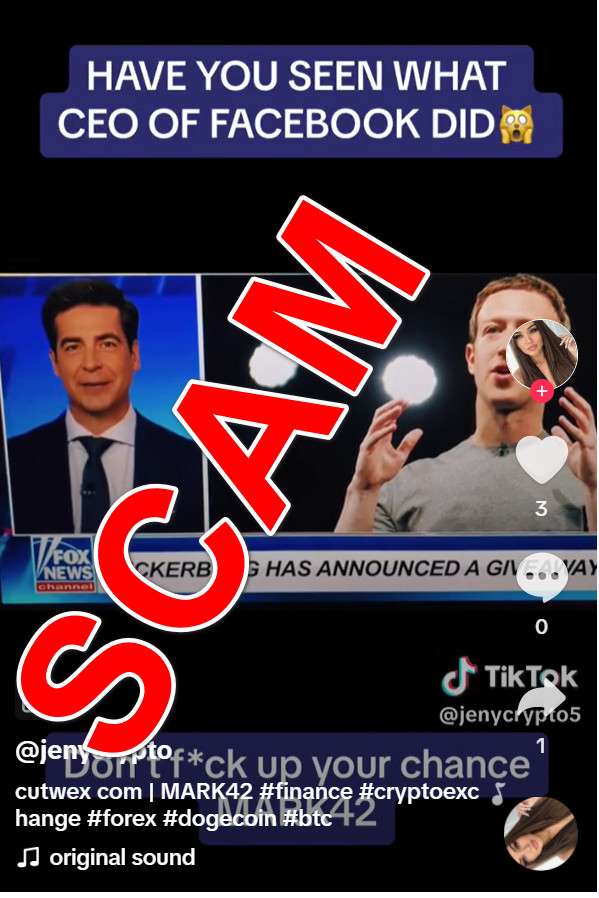
In recent times, a cryptocurrency scam has emerged using deepfake videos of Zuckerberg promoting fake Bitcoin giveaways. The fraudsters distribute videos via platforms like YouTube, TikTok and Facebook that depict Zuckerberg informing viewers they can earn free crypto by signing up on shady exchange websites and using promo codes.
This guide will provide an in-depth analysis of how this scam works and the tactics used by criminals to deceive Mark Zuckerberg’s legions of fans. We’ll outline how to detect these fraudulent promotions, steps to take if you lost money, and key strategies to avoid falling victim to this dangerous scam.


Overview of the Mark Zuckerberg Bitcoin Promo Code Scam
Mark Zuckerberg’s fame and influence as the founder of Facebook makes him an ideal target for scammers seeking to exploit his reputation. A new cryptocurrency scam has emerged using deepfake videos of Zuckerberg promoting fake Bitcoin giveaways. This extremely deceptive fraud has already defrauded many victims out of millions in stolen crypto deposits.
The scam works like this:
Fraudsters create and distribute fake videos on sites like YouTube, TikTok and Facebook showing Zuckerberg apparently endorsing a Bitcoin giveaway linked to a cryptocurrency trading platform. The deepfakes leverage advanced AI to replace Zuckerberg’s face and voice with a high degree of realism that makes them appear totally genuine.
In the videos, Zuckerberg provides step-by-step instructions for claiming free Bitcoin. Viewers must first create an account on the recommended crypto exchange site. Next, they need to enter a special promo code – often something like “ZUCK” or “FACECOIN” related to Zuckerberg’s Facebook brand.
By using this code, Zuckerberg claims users will receive a bonus Bitcoin deposit worth around 0.31 BTC credited to their exchange account. To withdraw the funds, they simply need to complete ID verification by making a minimum deposit of 0.005 BTC, which will supposedly activate withdrawal capabilities.
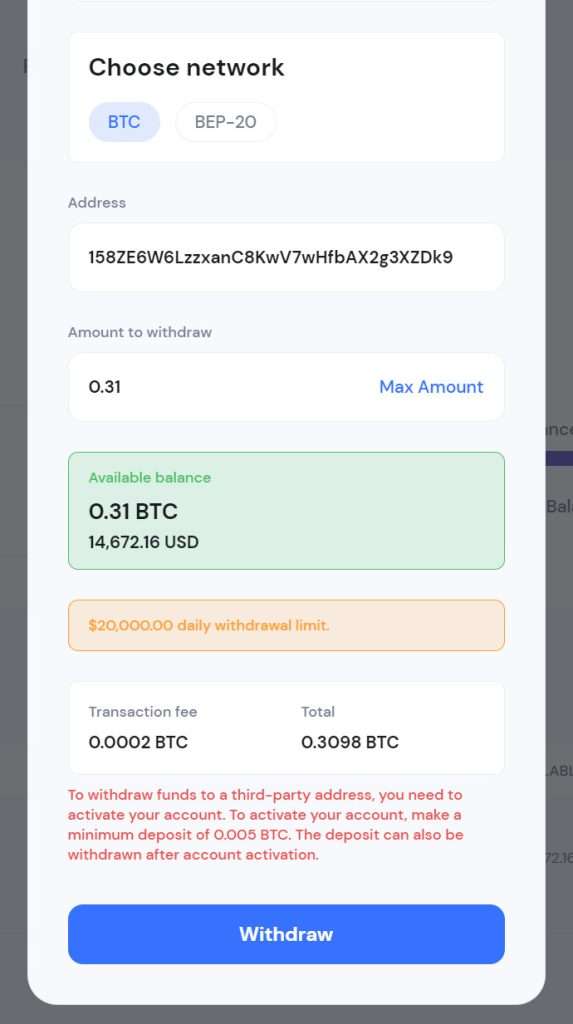
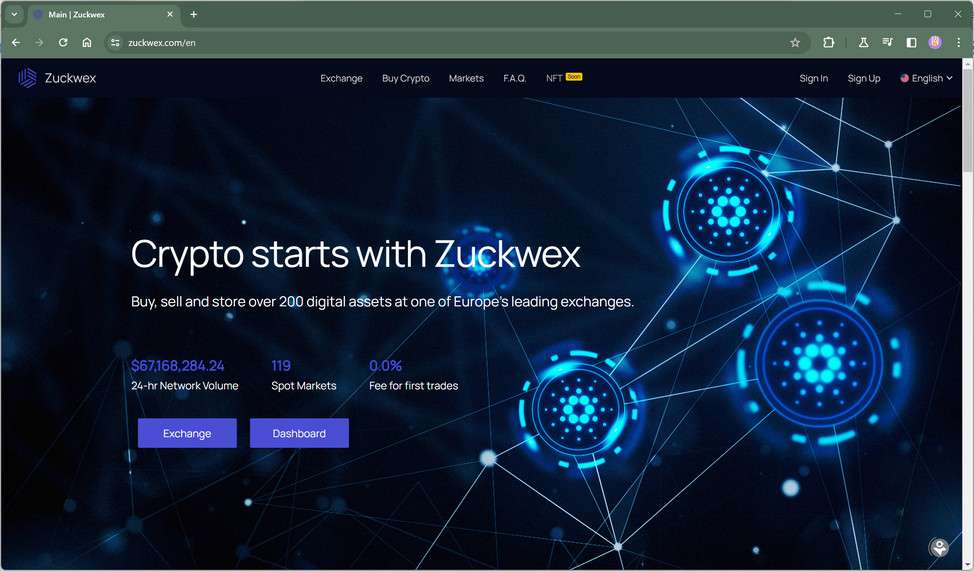
This is the bait. The cryptocurrency platforms promoted are completely fake sites controlled by scammers. When users submit real Bitcoin deposits, the funds go directly into the fraudsters’ wallets. The “verification” requirement is only a technique to steal genuine crypto assets.
Some examples of the fraudulent domain names used include:
- ZuckCoin.com
- FaceBTC.com
- FBTokens.com
- MetaCryptoExchange.com
Although appearing legitimate initially, these websites do not enable any actual trading or transactions. The account dashboards showing “bonuses” are totally fabricated. Once victims make a real deposit, they lose all access to their accounts.
The criminals aggressively promote the fake Zuckerberg endorsement videos on platforms like YouTube, TikTok, Instagram and Facebook. They often buy video ads to target the videos at tech audiences, crypto traders, Facebook users and business professionals who are more likely to fall for the ruse.
According to the Internet Crime Complaint Center (IC3), median losses from these types of celebrity-fronted crypto scams exceed $38,000 per victim. The IC3 warns: “Never make an investment decision based solely on a social media post or fake celebrity endorsement. Verify the legitimacy first.”
With cryptocurrency gaining mainstream adoption, this scam exploits public trust in tech icons like Zuckerberg combined with growing interest in crypto trading and investing. While the deepfake technology continues advancing, education is the best defense.
Next, we will provide an in-depth breakdown of how the scam operates and what techniques the scammers utilize to deceive Zuckerberg fans into sending crypto deposits. Keep reading to learn more about identifying and avoiding fake celebrity-fronted crypto promotions aiming to steal your hard-earned funds.
How the Mark Zuckerberg Bitcoin Promo Code Scam Works
The criminals rely on convincing fake videos, psychological tricks and technical subterfuge to perpetrate this fraud. Here is an in-depth look at the process:
Step 1: Produce Fake Zuckerberg Endorsement Videos
The scammers use two key techniques to create videos that appear to show Zuckerberg promoting the scam:
- Deepfake technology – Sophisticated AI seamlessly replaces Zuckerberg’s face/voice with stunning accuracy. The deepfakes are incredibly realistic.
- Voice synthesis – The fraudsters take real Zuckerberg interviews and use voice mimicking software to make it seem like Zuckerberg is endorsing the scam.
In both cases, an AI-generated Zuckerberg addresses viewers directly, describing a Bitcoin giveaway opportunity in collaboration with a cryptocurrency platform. He instructs viewers to use a unique promo code (e.g. “ZUCK”, “FACECOIN”) to claim the free crypto.
Step 2: Distribute Videos on Social Media
Once created, the fake Zuckerberg videos spread across YouTube, TikTok, Instagram and Facebook through two methods:
- Paid ads – The videos are promoted as YouTube/Facebook ads targeting tech fans and crypto communities.
- Hashtag campaigns – Scammers use related hashtags about crypto, Facebook, and Zuckerberg to make the videos trend on TikTok/Instagram.
Mass distribution ensures maximum reach and exposure to potential victims.
Step 3: Drive Traffic to Fake Crypto Sites
The videos contain links directing viewers to fraudulent cryptocurrency exchange websites set up by the scammers. Site domains follow naming patterns like ZuckCoin.com, FaceBTC.com, FacebookTokens.com etc.


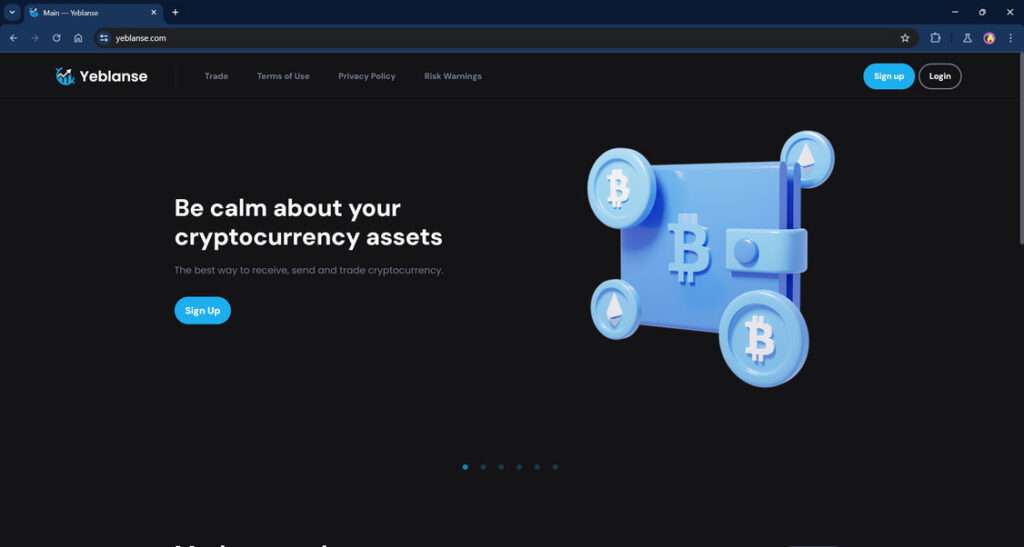

Despite appearing legitimate, these sites merely exist to harvest deposits from victims’ crypto wallets into the scammers’ accounts. No actual trading occurs.
Step 4: Instruct Viewers to Enter Promo Code
After registering on the fake crypto trading platforms, users are prompted to enter the promo code mentioned in the Zuckerberg video. Common codes include “ZUCK”, “FACEBOOK”, “FBCOIN” or similar plays on Zuckerberg’s brand.
By entering the code, victims believe they will receive free Bitcoin per Zuckerberg’s endorsement. In reality, this guides them deeper into the scam funnel.
Step 5: Display Fake Bonus Balance
Upon entering the promo code, the scam website shows a balance of around 0.31 BTC added to the user’s account dashboard. This makes it seem like the code added bonus Bitcoin into their wallet.
But the balance is completely fabricated. No actual crypto is deposited. It is only simulated to convince victims the code worked.
Step 6: Block Withdrawals Until Minimum Deposit
When attempting to withdraw the fake bonus balance, victims receive a message stating:
“To withdraw funds, you must first activate your account by making a deposit of 0.005 BTC. This deposit can be withdrawn afterwards.”
This tricks users into depositing real crypto funds to “activate” withdrawals. In actuality, this deposit goes straight to the scammers’ wallets.
Step 7: Disable Accounts After Collecting Deposits
Once sufficient funds are collected from victims, the scammers suddenly disable all user accounts and take the fake sites offline. Victims completely lose access and are unable to recover deposits.
The cycle then repeats with the fraudsters creating new sites and videos impersonating Zuckerberg to lure the next wave of victims. Meanwhile, stolen assets are laundered and cashed out through various dark web techniques.
This allows the criminals to operate indefinitely, as long as they can convincingly impersonate figures like Mark Zuckerberg to keep the scam going.
How to Spot the Mark Zuckerberg Bitcoin Promo Code Scam
With scammers constantly finding new ways to exploit interest in cryptocurrency and trust in icons like Mark Zuckerberg, it’s crucial to identify deceptive promotions targeting fans.
Here are key signs to watch for to detect the fake Bitcoin giveaway ads before becoming a victim:
- Too good to be true offers – Be skeptical of any promotion guaranteeing free or bonus Bitcoin funds just for signing up on a website. Scammers use this to entice victims. Legitimate platforms do not give away cryptocurrency.
- Aggressive urgency tactics – Scam promotions insist you must act fast by claiming bonus Bitcoin before an expiration date. This creates pressure to skip proper vetting in the rush.
- Directing to unverified crypto platforms – Research any exchange site mentioned thoroughly before providing personal info or depositing. Many use lookalike domains of real brands but are fake.
- Requests deposits before withdrawals – Genuine crypto platforms never demand you deposit first before allowing withdrawal of account balances. This is a huge red flag of fraud.
- No mention of risks – Real cryptocurrency promotions always cite the volatile nature of crypto markets and investing risks. Scams portray free money through bonuses.
- Text and video don’t match – Some scams dub fake voiceovers about bonuses over Zuckerberg’s actual interview answers on unrelated topics.
- No other online mentions – There’s no media coverage or chatter about Zuckerberg making such an endorsement. Scams fabricate the entire promotion.
- Odd social media engagement – Scam videos often have comments disabled and use bot accounts/hashtags to simulate engagement.
- Poor deepfake quality – While some fakes are highly realistic, lower quality edits expose glitches like mismatched skin tones or blurry edges.
Stay vigilant about any viral celebrity cryptocurrency endorsement exhibiting red flags. Verify authenticity through official sources before interacting or providing personal information. If something seems questionable, it’s best to simply avoid it.
What to Do If You Lost Money in the Scam
If you were deceived into sending cryptocurrency deposits to one of these fake platforms promoted using fake Mark Zuckerberg videos, here are crucial next steps:
- Contact your bank or credit card provider – If you used a linked bank account or credit card to purchase the crypto deposits, notify them immediately about the fraud. They may be able to stop/reverse transactions.
- Report to authorities – File reports about the scam with agencies like the FTC, SEC, FBI, IC3 and local law enforcement. Provide all relevant details you have about the scheme.
- Inform crypto exchanges – If the scam used the name of a real cryptocurrency company, contact them to see if they can trace the scammer’s wallet or halt transfers.
- Watch for recovery scams – Be cautious of any follow up messages offering to retrieve your lost funds. This usually ends up being another scam tactic to steal even more money.
- Spread awareness about the scam – Post on social media, report the videos, and share your experience publicly to warn others away from fake celebrity-fronted crypto promotions.
Recovering stolen crypto assets is extremely difficult. But acting swiftly to collect evidence, document what happened, and alert authorities/exchanges can increase the chances. Avoid paying anyone insisting they can recover your money. Legitimate help will not demand fees upfront.
Stay vigilant against further potential scams seeking to exploit this information.
Frequently Asked Questions About the Mark Zuckerberg Bitcoin Promo Code Scam
1. What exactly is the Mark Zuckerberg Bitcoin promo code scam?
This is a deceptive cryptocurrency scheme using deepfake videos of Mark Zuckerberg to trick people into depositing money on fake crypto trading platforms. Scammers create and distribute videos making it seem Zuckerberg is endorsing a Bitcoin giveaway.
The deepfakes show Zuckerberg instructing viewers to use a promo code like “ZUCK” on a recommended crypto exchange site to claim free Bitcoin. But the platforms are completely fake, designed to steal deposits.
2. How do the scammers create the fake Mark Zuckerberg videos?
They primarily use two techniques:
- Deepfake technology seamlessly replaces Zuckerberg’s face/voice with a high degree of realism.
- Voice synthesis software can accurately mimic Zuckerberg’s voice and sync it to real interviews.
Both approaches leverage AI to convincingly simulate Zuckerberg promoting the scam offer.
3. Where do the scammers promote the fraudulent videos?
The videos spread via paid ads and hashtags on major social platforms:
- YouTube and Facebook ads target tech audiences and crypto enthusiasts.
- TikTok and Instagram campaigns use relevant Facebook/crypto hashtags.
Mass distribution gives the scam ample reach to catch more victims.
4. What happens when people use the promo code?
Entering the code on the fake crypto platform generates a bonus Bitcoin balance in the user’s dashboard. This fools targets into thinking the code added free crypto to their account.
But the balance is completely fabricated. No real Bitcoin is deposited.
5. How do the fraudsters ultimately steal money from victims?
When users attempt withdrawing the fake bonus balance, a message states they must first deposit 0.005 BTC to “activate” withdrawals. This tricks victims into sending real crypto funds the scammers steal.
6. What are indications of a fake celebrity cryptocurrency endorsement?
Watch for these red flags:
- Extremely generous giveaways requiring little user effort.
- Aggressive urgency to act fast before an expiration date.
- Directing to unverifiable crypto exchanges.
- Mandating deposits first before any withdrawals.
Do your own research before participating.
7. What are some examples of the fake crypto platforms?
Known fraudulent domains include:
- ZuckCoin.com
- FaceBTC.com
- MetaCryptoExchange.com
Carefully vet licenses, reviews, certifications before providing personal data.
8. What should I do if I was deceived by this scam?
- Contact your bank/credit card provider if applicable.
- Report the fraud to authorities and regulators.
- Alert social media sites hosting the videos.
- Spread awareness about the scam publicly to protect others.
Work quickly to trace funds and take down scam accounts/sites.
9. How can I avoid becoming a victim of the Mark Zuckerberg Bitcoin scam?
- Verify celebrity endorsements independently before acting.
- Thoroughly research any crypto platform mentioned.
- Never make deposits just to “activate” free funds.
- Use strong unique passwords and two-factor authentication.
- Report suspicious videos or accounts.
Stay vigilant as scams exploiting celebrities and crypto hype spread.
10. Why are scammers impersonating Mark Zuckerberg for this?
Zuckerberg’s fame gives the scam credibility. His massive following allows scammers to reach huge audiences with the fake videos.
Scammers exploit public trust in figures like Zuckerberg to create an illusion of legitimacy.
11. Is simply entering the promo code risky?
Just inputting a code on a website should not compromise your security. However, creating accounts and entering personal info on questionable sites gives scammers access to steal identities/funds.
Safeguard your private information carefully online.
Stay alert about new crypto scams imitating tech icons to capitalize on hype. Verify legitimacy, thoroughly vet platforms, and think critically before supplying any sensitive data or deposits. Report any deceptive promotions to protect other consumers.
The Bottom Line – Protect Yourself from Celebrity Crypto Endorsement Scams
As cryptocurrencies continue gaining mainstream traction, scammers are finding new ways to exploit public interest and trust in figures like Mark Zuckerberg. This scam provides important lessons:
- Verify celebrity endorsements – Closely scrutinize any promotion attributed to a celebrity. Search for credible confirmation from official sources before believing it.
- Research before investing – Thoroughly vet any crypto platform prior to sharing personal info or making transactions.
- Avoid “too good to be true” offers – Reject huge bonus guarantees or giveaways requiring little effort. This is always a red flag.
- Don’t make deposits just to “activate” funds – Legitimate crypto platforms never force users to deposit before withdrawing account balances.
- Report fake promotions – Alert social platforms, regulators, and ad networks about any suspicious or deceitful endorsements.
With crypto asset values escalating, it’s crucial to stay vigilant against scams exploiting public appetite for cryptocurrency profits. Use caution, do your homework, and don’t let hype overpower your critical thinking. Share this guide to help protect others from predatory frauds impersonating figures like Mark Zuckerberg.








