

Have you seen those viral ads for the MegaView 1000 FreeChannel TV Box promising unlimited access to premium cable channels and streaming platforms for free? Hundreds of disappointed buyers report this heavily marketed streaming stick fails miserably to deliver those outrageous capabilities claimed in the slick ads.
This article unravels how this widespread bait-and-switch scam manages to secure lucrative payments upfront for near-worthless $5 units by relying on carefully fabricated claims and demonstrations. Read on to uncover the misleading tactics used to promote MegaView 1000 FreeChannel TV Box, plus tips to avoid falling victim yourself.
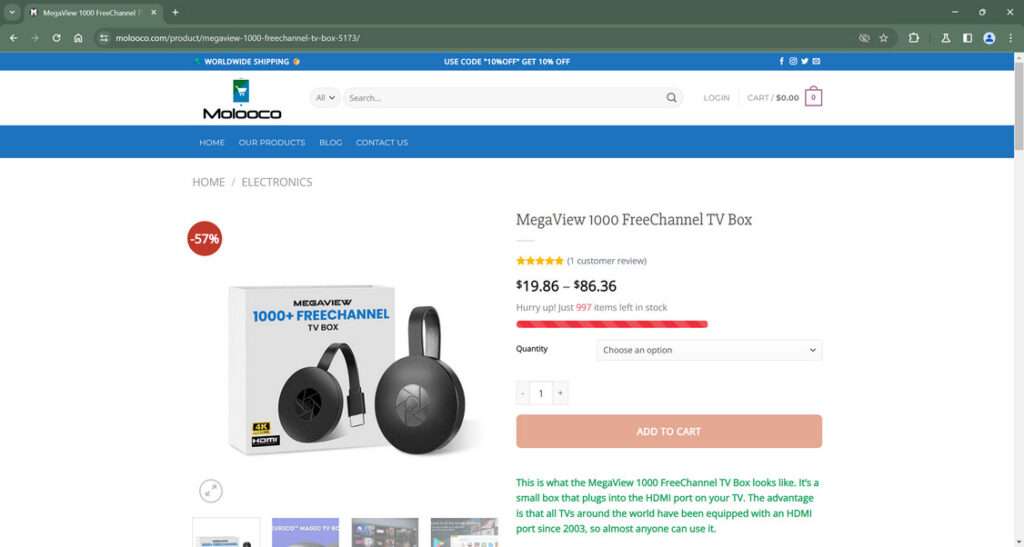
Overview of the Misleading MegaView 1000 FreeChannel TV Box Scam
The MegaView 1000 FreeChannel TV Box scam relies on wildly fabricated claims of proprietary technology developed in Silicon Valley that can exploit cable and media company feeds to unlock free access to any channel or streaming content. However, the reality is the device shipped out after purchase for up to $150 is merely an unlabeled $5 streaming stick available on Chinese e-commerce sites.
The scammers rely on running compelling yet highly deceptive ads on platforms like Facebook, TikTok, and YouTube that present the MegaView 1000 FreeChannel TV Box device as tapping into satellite streams and using advanced artificial intelligence to crack encrypted feeds from cable networks.
Some examples of the completely fabricated claims made about accessing copyright-protected content include:
- “Disrupting the cable TV industry by unveiling secret technology for tapping into premium channel streams without monthly fees”
- “Utilizing encrypted satellite signal interception algorithms programmed through TensorFlow machine learning”
- “Exploiting a loophole in Netflix DRM allowing their full catalog to stream for free forever”
- “Infinitely growing content library automatically generated from siphoning media company servers using MegaView 1000 FreeChannel TV Box’s proprietary cracking interface”
To the average consumer unaware of broadcast copyrights, these claims leverage buzzwords like “artificial intelligence”, “satellite interception”, and “content cracking algorithms” to seem like the MegaView 1000 FreeChannel TV Box device uses exclusive high-tech methods to tap cable TV and streaming content sources.
However victims find after overpaying $100+ for each device that it is actually just a generic unlabeled streaming stick identical to a $5 model on AliExpress. Needless to say, it lacks any sort of feed tapping or decryption capabilities to access channels or content for free.
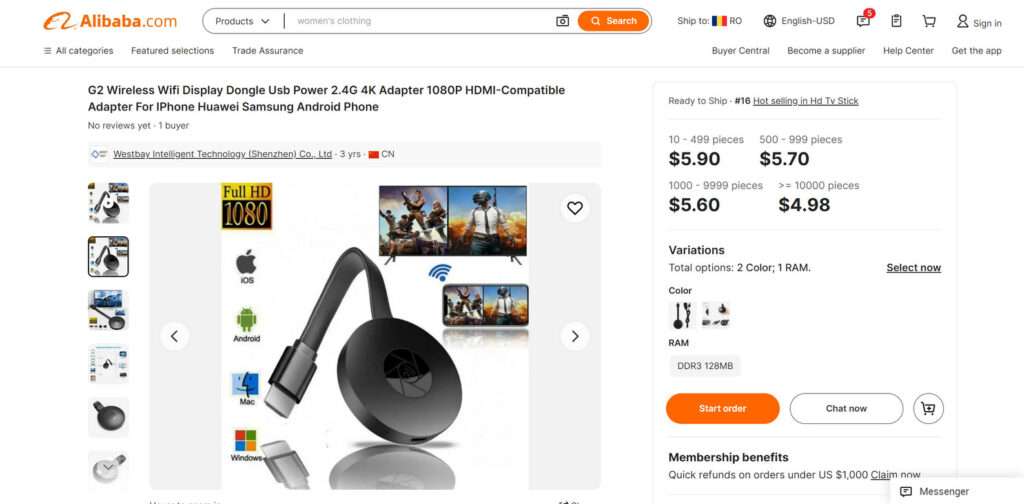
The scammers behind this bait-and-switch are continuously rebranding the same ineffective products, previously marketed as Seurico Magic TV Box, SyncTech Smart TV Evolution, UnboundScreen TV Evolution, and now MegaView 1000 FreeChannel TV Box.
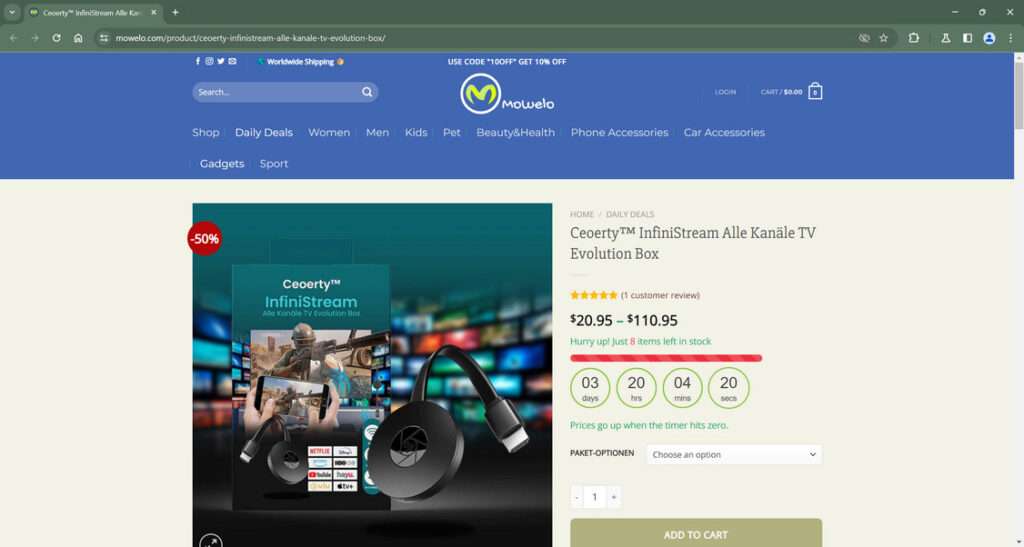
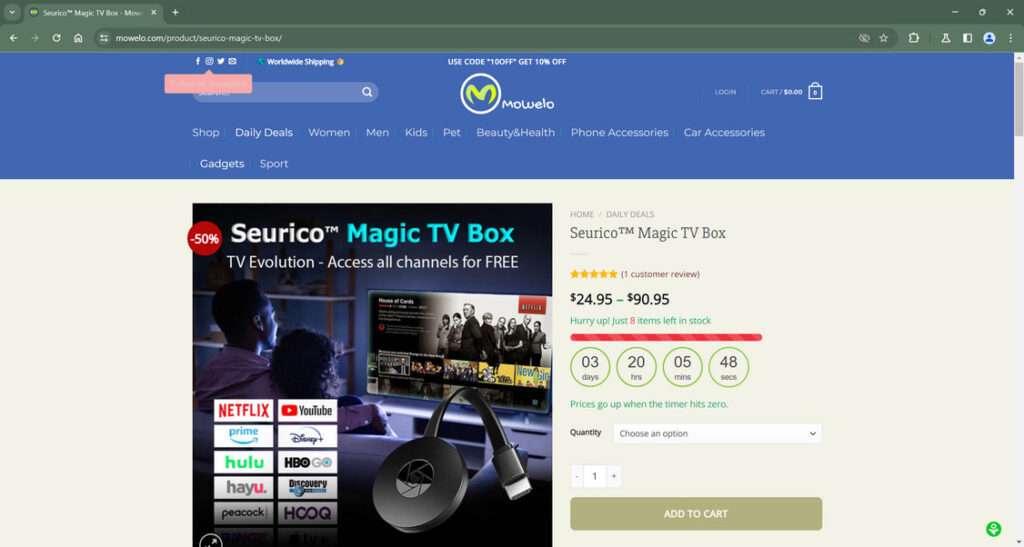
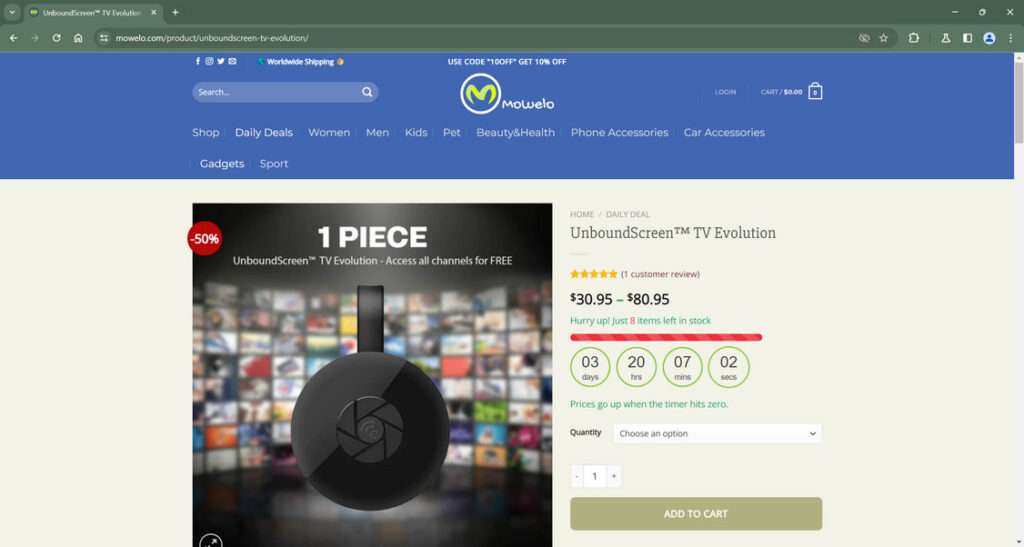
The scam relies on convincing language, fake discounts, and a sense of urgency about time-limited deals to generate impulse purchases before prospective buyers thoroughly research the questionable pop-up companies behind the ads. Refunds are notoriously difficult to obtain after falling victim when the devices inevitably fail to perform as advertised. Read on for a detailed exposé on how this too-good-to-be-true scam actually unfolds.
How the MegaView 1000 FreeChannel TV Box Scam Works
The MegaView 1000 FreeChannel TV Box scam follows a deceptive playbook to overcharge consumers and suppress negative reviews. Here’s an in-depth look:
Phase 1: Crafting Misleading Social Media Ads
The scam starts with carefully designed social media ads portraying the MegaView 1000 FreeChannel TV Box device as a remarkable innovation allowing unbelievable access to premium channels. The scammers routinely run ads on platforms like Facebook, Instagram and TikTok.
These compelling ads tout things like “access any channel for free” and leverage fake reviews and authority claims to portray the devices as incredible cable replacements powered by advanced technology.
Some examples of the dubious claims and techniques used in the ads include:
- “All your favorite shows with no subscriptions required!” which is patently impossible.
- “Developed by Silicon Valley legends and used by over 200,000 people!” when no such pedigree exists.
- Outlandish claims of accessing any streaming service or live event for free, which violates copyrights.
- Fake reviews and perfect 5 star ratings to fabricate social proof.
The goal is to present an extremely exaggerated depiction of the capabilities in order to generate a flood of clicks driven by the hype. But it’s carefully orchestrated deception.
Phase 2: Deceptive Sales Pages Prevent Research and Upsell
After clicking one of the misleading social media ads, consumers are funneled to dubious sales pages with more deception to prevent research, including:
- More fake claims of proprietary channel unlocking technology developed from stolen media feeds.
- Completely fabricated testimonials from consumers and TV company insiders.
- Aggressive upselling tactics pushing multi-unit bundles at steep discounts.
- No negative feedback or reviews visible, and ways to ask questions are limited.
- No company info, address or contact details provided anywhere on the site.
The key goal is limiting research into the true $5 Alibaba source device and its very limited streaming capabilities while pushing mass purchase orders.
Phase 3: Refusing Returns and Ignoring Complaints
Unfortunately, most consumers realize post-purchase that it’s a scam device when it fails to unlock premium channels for free after setup. When attempting refunds on the ineffective MegaView 1000 FreeChannel TV Box units, common responses include:
- Ignoring emails or sending back automated responses only.
- Customer service numbers that hang up, disconnect or forward to unrelated companies.
- Refusing returns and claiming “you missed the 30 day refund window.”
- Rejecting credit card chargebacks by using fake shipping information and details.
- Forcing unwanted “exchanges” for identical $5 sticks rather than refunds.
This pattern of blocking refunds and obscuring negative feedback is typical of fly-by-night scam gadget operations like this one. Legitimate tech businesses do not operate like this.
How to Identify MegaView 1000 FreeChannel TV Box Scams on Social Media
The MegaView 1000 FreeChannel TV Box scam proliferates on platforms like Facebook, Instagram and TikTok by leveraging each site’s unique features to spread fake claims in key ways. Here is how to spot the scam on these popular networks:
Spotting MegaView 1000 FreeChannel TV Box Scams on Facebook
On Facebook, beware of:
- Ads promoting the MegaView 1000 FreeChannel TV Box device with claims like “Access all shows free forever!” or “No more cable subscriptions!”
- The ads use fake demos and fake expert endorsements making impossible claims about accessing restricted content seem real.
- Posts urging viewers to click immediately for a “50% off limited-time deal!” or other high pressure purchase tactics.
- The ads have extensive comments, but they are all positive, vague or unrelated to capabilities claimed.
- Clicking the ad takes you to a sketchy site with no company details beyond a buy button and fields to enter payment info.
These tactics are indicative of Facebook ads running scams, not real products. Report suspicious ads for removal.
Identifying MegaView 1000 FreeChannel TV Box Scams on Instagram
Watch for these warning signs of MegaView 1000 FreeChannel TV Box scams on Instagram:
- Influencers promoting the device with unique promo codes or links in captions.
- The Instagram photos and videos showing people happily accessing restricted content are staged or edits.
- “Wow, this unlocked everything!” comments under posts come from fake bot accounts.
- Clicking exclusive links in bios goes to shady sites with more impossible capability claims.
- Influencers disable comments on paid promo posts or delete skeptical inquiries.
If something seems too good to be true from an influencer, it likely is. Thoroughly vet any viral gadget promoted on Instagram before purchase.
Spotting MegaView 1000 FreeChannel TV Box Scammer Tactics on TikTok
On TikTok, the scammers pay creators to run convincing demonstration videos of accessing tons of copyright-restricted content by plugging the MegaView 1000 FreeChannel TV Box device into a TV. But indicators it’s not real include:
- Videos are carefully edited, with impossible capabilities shown in jumps and cuts rather than live demonstration.
- Comment sections are turned off or filled with fake bot accounts praising the device.
- Links in bios go to dubious sales pages urging fast checkout.
- Deepfake AI replicas are made of celebrities like Elon Musk endorsing the device.
Apply heavy skepticism rather than taking demonstration claims at face value on TikTok and other platforms. Report any dubious gadget ads to get them reviewed and removed.
What To Do If You Purchased A MegaView 1000 FreeChannel TV Box
If you unfortunately already ordered one of these overhyped $5 streaming sticks, follow these steps:
1. Dispute charges immediately: Call your credit card provider to request a chargeback refund, reporting the charges as fraudulent. Provide details on how capabilities like channel unlocking are patently impossible.
2. Gather evidence: Take photos of the basic streaming stick shipped with no advanced technology, the packaging showing the cheap wholesale cost, and documentation showing it fails to unlock cable channels or streaming platforms for free as promised.
3. File complaints: Submit reports about the scam to the FTC, state attorney general, RipOff Report, and other consumer protection sites.
4. Leave reviews: Warn others by leaving negative reviews on Trustpilot and elsewhere about the fake capabilities marketed. Social media posts also help spread awareness.
5. Escalate with your bank: If chargebacks fail, request arbitration from your credit card bank to recover the funds. Providing evidence seems to help get refunds.
With diligence and persistence, many scam victims report getting refunds from their credit card provider directly by exposing sham products like these overhyped $5 streaming sticks. Prevention is always the best approach though.
Avoiding MegaView 1000 FreeChannel TV Box Scams: What To Know
Here are some top tips for spotting and avoiding MegaView 1000 FreeChannel TV Box scams lurking online:
- Outlandish capabilities claimed – Any device promising to unlock cable channels and premium streaming platforms for free is impossible. Apply heavy skepticism to such claims.
- Fake reviews and authority affiliations – Watch for questionable “reviews” and company origin stories that seem completely astounding. Verify people and organizations exist outside the ads.
- Steep discounts pressuring urgency – Limited-time deals pressing quick purchases are typical red flags with scam gadgets, as are declining stock counters.
- Research seller reputations thoroughly – Vet any company advertising heavily online before buying. Check for warning signs like no address.
- Inspect and test locally first when possible – Be very wary of amazing devices only available online. Try to buy locally where you can inspect and test products first.
- Avoid too-good-to-be-true devices – If a gadget seems too incredible to be true, it almost certainly is. Apply heavy skepticism rather than taking claims at face value.
Staying vigilant and doing careful research is crucial to avoid getting misled by unbelievable claims made online to promote questionable products like these near-worthless streaming sticks. Shop wisely by only buying directly from reputable retailers that you can fully verify and trust. Your best protection is precaution.
Frequently Asked Questions About the MegaView 1000 FreeChannel TV Box Scam
Misleading MegaView 1000 FreeChannel TV Box ads are proliferating online using unbelievable claims and fake endorsements. This FAQ provides answers to frequently asked questions about this pervasive scam.
What exactly is the MegaView 1000 FreeChannel TV Box scam?
The MegaView 1000 FreeChannel TV Box scam uses viral social media ads and websites with impossible claims of accessing all TV channels for free to promote $5 streaming sticks from China at insane 1000%+ markups as incredible cable replacing inventions.
How are MegaView 1000 FreeChannel TV Boxs advertised?
Scammers run Facebook, TikTok and Instagram ads and fake deep AI YouTube videos depicting MegaView 1000 FreeChannel TV Box as a remarkable device unlocking unlimited free entertainment using exclusive artificial intelligence technology and infrastructure hacking techniques. But these are outright lies.
What false claims do the MegaView 1000 FreeChannel TV Box ads make?
Some false claims are offering full access to thousands of cable TV channels without fees, unlocking Netflix and other streaming catalogs to access all content for free, using advanced technology to secretly intercept and divert media feeds, and flawless compatibility with essentially all modern TV models.
Where do the fraudulent MegaView 1000 FreeChannel TV Box ads lead if you click on them?
The fake social media ads funnel victims to dubious websites packed with more fake demonstrations, false claims, fake discounts and reviews as well as aggressive upselling urging purchase before fake timers run out.
What happens after a victim purchases the MegaView 1000 FreeChannel TV Box?
Many report the sellers instantly disappear after taking payment, leaving no way to contact them when the $5 streaming stick arrives and fails to actually unlock free access to cable channels or streaming platforms as depicted in the deceptive ads.
What are signs of a MegaView 1000 FreeChannel TV Box scam?
Red flags include unbelievable capabilities claimed, no company address provided, refusing refunds, deleting negative comments, and having no way to contact the seller after purchase.
What should you do if you purchased a MegaView 1000 FreeChannel TV Box?
If you realize it’s a scam device, immediately file a chargeback request with your credit card provider disputing the charges as fraudulent, provide evidence of the false advertising, and file complaints about the misleading business practices.
The Bottom Line on the MegaView 1000 FreeChannel TV Box Scam
In summary, key facts to remember about the MegaView 1000 FreeChannel TV Box scam include:
- Slick social media ads use fake claims, reviews and discounts to generate hype
- Deceptive sales pages prevent research and push multi-unit bundle purchases
- The actual $5 sticks severely underdeliver on the promised capabilities
- Scammers typically ignore refund requests and complaints
- Only buy gadgets from retailers you can thoroughly vet and trust
- Being persistent with your bank can pay off in getting at least partial refunds
Hopefully this article provides helpful details on how exaggerated and misleading marketing can be used to overcharge for near-worthless products like these generic streaming sticks. Stay vigilant for unbelievable tech claims on social media designed to scam rather than satisfy savvy shoppers. Your best protection is precaution.

Join the discussion
0 commentsShare your experience or ask a question about this article.
Discussion
Start the conversation
Have a question or something useful to share? Add the first comment.