

Scams and phishing attempts have become increasingly prevalent in the digital age, targeting unsuspecting individuals and organizations. One such scam that has gained significant attention is the “Microsoft “No Longer Allowed To Access Your Email Account” phishing scam. This scam aims to deceive users into providing their personal information, including login credentials, by posing as a legitimate Microsoft communication. In this article, we will delve into the details of this scam, how it works, what to do if you have fallen victim, technical aspects, and statistics to shed light on the severity of this issue.
What is the Microsoft “No Longer Allowed To Access Your Email Account” Phishing Scam?
The Microsoft “No Longer Allowed To Access Your Email Account” phishing scam is a fraudulent attempt to trick users into revealing their personal information, particularly their email account login credentials. The scam typically begins with an email that appears to be from Microsoft, informing the recipient that their email account will no longer be accessible due to a policy change or security breach. The email often includes official Microsoft logos and branding to make it appear legitimate.
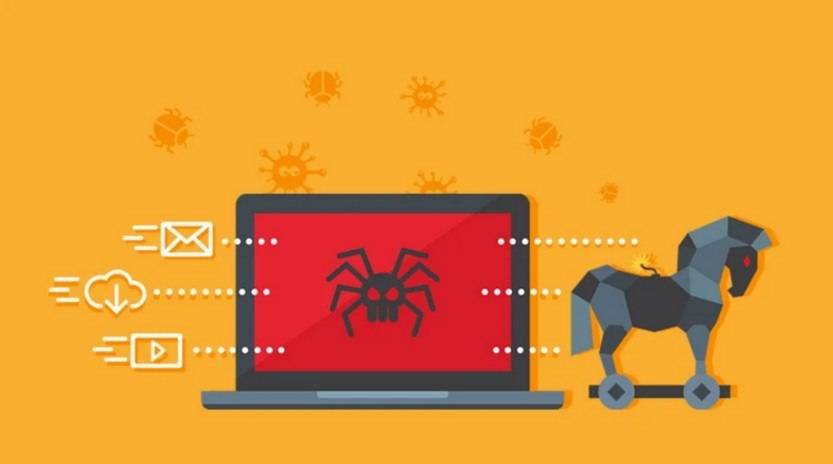
These phishing emails are designed to create a sense of urgency and panic in the recipient, prompting them to take immediate action to prevent the supposed loss of access to their email account. The email instructs the user to click on a link or download an attachment to verify their account information or reset their password. However, these actions lead the user to a fake website or a malicious file that captures their login credentials or installs malware on their device.
How Does the Scam Work?
The Microsoft “No Longer Allowed To Access Your Email Account” phishing scam relies on social engineering techniques to deceive users. Let’s take a closer look at the typical steps involved:
- The scam begins with the attacker sending out a large number of phishing emails, often using email spoofing techniques to make it appear as if the email is coming from a legitimate Microsoft address.
- The email usually contains alarming subject lines, such as “Urgent Action Required” or “Account Suspension Notice,” to grab the recipient’s attention and create a sense of urgency.
- Within the email, the attacker includes a message that claims the recipient’s email account will no longer be accessible unless they take immediate action.
- The email provides a link or attachment that the recipient is instructed to click on or download to resolve the issue.
- Once the user interacts with the link or attachment, they are redirected to a fake website that closely resembles the legitimate Microsoft login page.
- The user is then prompted to enter their email address and password on the fake website, unknowingly providing their login credentials to the attacker.
- In some cases, the scam may also involve the installation of malware on the user’s device, which can capture sensitive information or grant unauthorized access to the attacker.
What to Do If You Have Fallen Victim?
If you have fallen victim to the Microsoft “No Longer Allowed To Access Your Email Account” phishing scam, it is crucial to take immediate action to protect your account and personal information. Here are the steps you should follow:
- Change your email account password: As soon as you realize you have been scammed, change your email account password to prevent further unauthorized access.
- Enable two-factor authentication (2FA): Set up two-factor authentication for your email account to add an extra layer of security. This will require you to provide a second form of verification, such as a unique code sent to your mobile device, in addition to your password.
- Scan your device for malware: Run a thorough scan of your device using reputable antivirus software, such as Malwarebytes Free, to detect and remove any malware that may have been installed.
- Monitor your accounts: Keep a close eye on your email account and other online accounts for any suspicious activity. Report any unauthorized access or suspicious emails to the respective service providers.
- Educate yourself and others: Learn about common phishing techniques and share your experience with others to raise awareness and prevent them from falling victim to similar scams.
Technical Details of the Scam
The Microsoft “No Longer Allowed To Access Your Email Account” phishing scam utilizes various technical tactics to deceive users and bypass security measures. Here are some key technical details:
- Email spoofing: Attackers often use email spoofing techniques to make the phishing emails appear as if they are coming from legitimate Microsoft addresses. This can trick users into believing the emails are genuine.
- Phishing websites: The scam involves the creation of fake websites that closely resemble the legitimate Microsoft login page. These websites are designed to capture users’ login credentials.
- Malware distribution: In some cases, the scam may also involve the distribution of malware. This can be achieved through malicious attachments or by redirecting users to websites that automatically download malware onto their devices.
Statistics on Phishing Scams
Phishing scams, including the Microsoft “No Longer Allowed To Access Your Email Account” scam, continue to pose a significant threat to individuals and organizations. Here are some eye-opening statistics:
- According to the Anti-Phishing Working Group (APWG), there were over 241,324 unique phishing attacks reported in the first quarter of 2023 alone.
- Phishing attacks have become more sophisticated, with 69% of them utilizing encryption to make malicious emails appear more legitimate.
- Microsoft is one of the most commonly impersonated brands in phishing attacks, accounting for 43% of all phishing attempts in 2022, according to the APWG.
- Phishing attacks cost businesses an estimated $1.8 billion in losses in 2022, according to the FBI’s Internet Crime Complaint Center (IC3).
Summary
The Microsoft “No Longer Allowed To Access Your Email Account” phishing scam is a deceptive attempt to trick users into revealing their email account login credentials. This scam relies on social engineering techniques, email spoofing, and fake websites to deceive users and gain unauthorized access to their accounts. If

Join the discussion
0 commentsShare your experience or ask a question about this article.
Discussion
Start the conversation
Have a question or something useful to share? Add the first comment.