

Microsoft Office Home and Student 2007 is a productivity suite that includes essential applications such as Word, Excel, and PowerPoint. It was released by Microsoft in January 2007 and quickly became popular among students, home users, and small businesses. However, with the release of newer versions of Microsoft Office, some users may wonder if they should uninstall Office 2007 and upgrade to a more recent version. In this article, we will explore what Microsoft Office Home and Student 2007 offers and help you decide whether it’s time to uninstall it.
What Does Microsoft Office Home and Student 2007 Include?
Microsoft Office Home and Student 2007 is a comprehensive suite that provides users with the necessary tools to create, edit, and manage documents, spreadsheets, and presentations. The main applications included in this version are:
- Microsoft Word: A word processing program that allows users to create and edit documents with various formatting options.
- Microsoft Excel: A spreadsheet program that enables users to organize and analyze data using formulas, charts, and graphs.
- Microsoft PowerPoint: A presentation program that allows users to create visually appealing slideshows with multimedia elements.
- Microsoft OneNote: A note-taking program that helps users capture and organize their ideas, notes, and information.
These applications are designed to enhance productivity and streamline tasks for students, educators, and home users. With Microsoft Office Home and Student 2007, users can create professional-looking documents, analyze data effectively, and deliver impactful presentations.
Is Microsoft Office Home and Student 2007 Still Supported?
Microsoft Office Home and Student 2007 reached its end of support on October 10, 2017. This means that Microsoft no longer provides technical support, bug fixes, or security updates for this version. While the software may still function, using an unsupported version poses potential risks, especially in terms of security vulnerabilities.
Without regular security updates, your computer may be more susceptible to malware and other cyber threats. It is crucial to keep your software up to date to protect your data and ensure a secure computing environment. If you choose to continue using Microsoft Office Home and Student 2007, it is essential to take additional security measures, such as using reliable antivirus software and regularly scanning your system for malware.
If you are concerned about the security risks associated with using an unsupported version, it is advisable to upgrade to a newer version of Microsoft Office. The latest versions offer improved features, enhanced security, and ongoing support from Microsoft.
Should I Uninstall Microsoft Office Home and Student 2007?
Deciding whether to uninstall Microsoft Office Home and Student 2007 depends on your specific needs and circumstances. Here are a few factors to consider:
1. Security:
As mentioned earlier, using an unsupported version of Microsoft Office exposes your computer to potential security risks. If you handle sensitive information or rely on your computer for important tasks, it is recommended to upgrade to a supported version to ensure the highest level of security.
2. Compatibility:
If you frequently collaborate with others or share files, compatibility can be a crucial factor. Newer versions of Microsoft Office may introduce file format changes that could cause compatibility issues when sharing documents with users who are still using Office 2007. Upgrading to a newer version can help ensure seamless collaboration and file sharing.
3. Features and Functionality:
Newer versions of Microsoft Office offer a range of new features and improved functionality. These enhancements can significantly enhance your productivity and streamline your workflow. If you find yourself needing advanced features or struggling with limitations in Office 2007, upgrading to a newer version may be beneficial.
4. Support and Updates:
By upgrading to a newer version of Microsoft Office, you gain access to ongoing support from Microsoft. This includes technical assistance, bug fixes, and security updates. Having access to support can be invaluable, especially if you encounter any issues or need help with the software.
How to Uninstall Microsoft Office Home and Student 2007
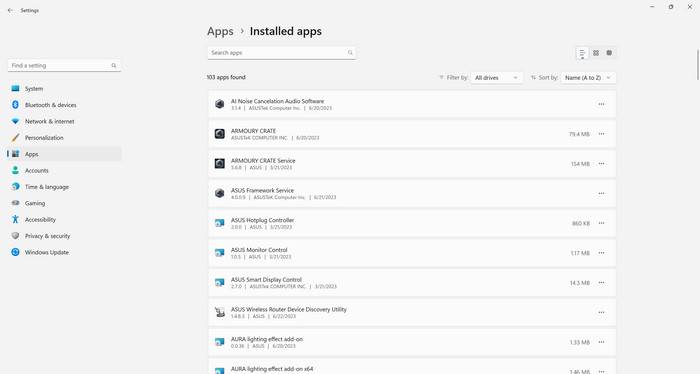
If you have decided to uninstall Microsoft Office Home and Student 2007, follow these steps:
- Close all Microsoft Office applications and any other programs that may be using Office components.
- Click on the “Start” button and open the “Control Panel.”
- Under “Programs,” click on “Uninstall a program.”
- Locate “Microsoft Office Home and Student 2007” in the list of installed programs.
- Right-click on it and select “Uninstall.”
- Follow the on-screen prompts to complete the uninstallation process.
After uninstalling Microsoft Office Home and Student 2007, you may consider installing a newer version of Microsoft Office or exploring alternative productivity suites that meet your specific requirements.
Conclusion
Microsoft Office Home and Student 2007 is a powerful productivity suite that has served users well over the years. However, with the end of support and the availability of newer versions, it may be time to consider uninstalling Office 2007 and upgrading to a more recent version. The decision ultimately depends on your security needs, compatibility requirements, desired features, and access to ongoing support. By carefully evaluating these factors, you can make an informed decision that aligns with your specific needs and ensures a productive and secure computing environment.

Join the discussion
0 commentsShare your experience or ask a question about this article.
Discussion
Start the conversation
Have a question or something useful to share? Add the first comment.