

Microsoft Office Professional Plus 2013 is a productivity suite developed by Microsoft Corporation. It includes a collection of applications and services that are designed to help individuals and businesses create, edit, and manage documents, spreadsheets, presentations, and more. With its wide range of features and capabilities, Office Professional Plus 2013 has become a popular choice for users around the world.
What Does Microsoft Office Professional Plus 2013 Include?
Microsoft Office Professional Plus 2013 includes several applications that are essential for productivity and collaboration. These applications are:
- Microsoft Word: A word processing program used for creating and editing documents.
- Microsoft Excel: A spreadsheet program used for organizing and analyzing data.
- Microsoft PowerPoint: A presentation program used for creating and delivering slideshows.
- Microsoft Outlook: An email client and personal information manager used for managing emails, calendars, and contacts.
- Microsoft Access: A database management system used for creating and managing databases.
- Microsoft Publisher: A desktop publishing program used for creating professional-looking publications.
- Microsoft OneNote: A note-taking program used for capturing and organizing information.
- Microsoft Lync: A communication platform used for instant messaging, video conferencing, and online meetings.
In addition to these applications, Microsoft Office Professional Plus 2013 also includes other services such as SharePoint, which allows for collaboration and document sharing within teams, and SkyDrive, which provides cloud storage for easy access to files from anywhere.
Should I Uninstall Microsoft Office Professional Plus 2013?
Whether or not you should uninstall Microsoft Office Professional Plus 2013 depends on your specific needs and circumstances. Here are a few factors to consider:
1. Compatibility:
If you are using an older version of Windows or if your computer does not meet the system requirements for Office Professional Plus 2013, you may encounter compatibility issues. In such cases, it might be necessary to uninstall the software and switch to a version that is compatible with your system.
2. Upgrading to a newer version:
If you are considering upgrading to a newer version of Microsoft Office, such as Office 2016 or Office 365, you may choose to uninstall Office Professional Plus 2013 to avoid having multiple versions of the software installed on your computer. However, it is important to note that Office Professional Plus 2013 is still a capable and functional suite, and if it meets your needs, there may not be a compelling reason to upgrade.
3. Security concerns:
As with any software, there is always a risk of security vulnerabilities. While Microsoft regularly releases updates and patches to address these vulnerabilities, older versions of software may be more susceptible to attacks. If you are concerned about security, it is recommended to keep your software up to date or consider upgrading to a newer version.
4. Personal preference:
Ultimately, the decision to uninstall Microsoft Office Professional Plus 2013 comes down to personal preference. If you find that you no longer use the software or if you have found alternative solutions that better suit your needs, uninstalling Office Professional Plus 2013 may free up valuable disk space and resources on your computer.
How to Uninstall Microsoft Office Professional Plus 2013
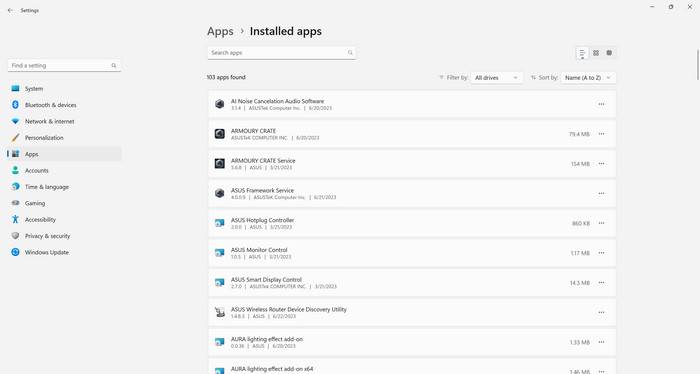
If you have decided to uninstall Microsoft Office Professional Plus 2013, here are the steps to follow:
- Open the Control Panel on your computer.
- Click on “Programs” or “Programs and Features.”
- Locate Microsoft Office Professional Plus 2013 in the list of installed programs.
- Right-click on Microsoft Office Professional Plus 2013 and select “Uninstall” or “Change.”
- Follow the on-screen instructions to complete the uninstallation process.
After uninstalling Microsoft Office Professional Plus 2013, it is recommended to restart your computer to ensure that all changes take effect.
If you encounter any issues during the uninstallation process or if you suspect that malware may be affecting your system, it is advisable to scan your computer with a reliable antivirus software. Malwarebytes Free is a popular choice for scanning and removing malware.
Conclusion
Microsoft Office Professional Plus 2013 is a comprehensive productivity suite that offers a range of applications and services to help users create, edit, and manage documents. Whether or not you should uninstall it depends on factors such as compatibility, the need for an upgrade, security concerns, and personal preference.
If you decide to uninstall Microsoft Office Professional Plus 2013, follow the steps outlined above and consider scanning your computer for malware using a reliable antivirus software like Malwarebytes Free. Ultimately, the choice to uninstall or keep Office Professional Plus 2013 should be based on your specific needs and circumstances.

Join the discussion
0 commentsShare your experience or ask a question about this article.
Discussion
Start the conversation
Have a question or something useful to share? Add the first comment.