

Microsoft Office Suite is a widely used productivity software that includes popular applications like Word, Excel, PowerPoint, and Outlook. When you install Microsoft Office on your computer, you may notice a program called “Microsoft Office Suite Activation Assistant” running in the background. In this article, we will explore what the Activation Assistant is, its purpose, and whether you should remove it from your system.
What is the Microsoft Office Suite Activation Assistant?
The Microsoft Office Suite Activation Assistant is a program that helps users activate their copy of Microsoft Office. Activation is necessary to verify that the software is genuine and to prevent unauthorized use. The Activation Assistant runs in the background and ensures that your Office applications remain activated and fully functional.
When you install Microsoft Office, you are typically required to enter a product key to activate the software. The Activation Assistant helps manage this process by periodically checking the activation status and ensuring that your Office suite remains activated. It also provides notifications and reminders when your activation is about to expire or needs to be renewed.
Should I Remove the Microsoft Office Suite Activation Assistant?
While the Activation Assistant is a legitimate program provided by Microsoft, there may be instances where you might consider removing it from your system. Here are a few scenarios where removing the Activation Assistant could be beneficial:
1. Office Activation Issues:
If you are experiencing problems with Office activation, such as frequent activation errors or issues with product key validation, removing the Activation Assistant and reinstalling Office may help resolve the problem. However, it is recommended to seek assistance from Microsoft support or consult relevant online resources before taking this step.
2. Performance Concerns:
The Activation Assistant runs in the background and consumes system resources. If you have a low-spec computer or notice a significant impact on system performance, removing the Activation Assistant might help improve overall performance. However, keep in mind that the impact on performance is usually minimal, and removing the program may not result in a noticeable difference.
3. Personal Preference:
Some users prefer to have complete control over the programs running on their system. If you fall into this category and do not find the Activation Assistant useful, you can choose to remove it. However, it is important to note that removing the program will not affect the functionality of your Office applications as long as they are properly activated.
How to Remove the Microsoft Office Suite Activation Assistant?
If you have decided to remove the Activation Assistant from your system, there are a few methods you can use:
1. Uninstall via Control Panel:
- Open the Control Panel on your Windows computer.
- Click on “Programs” or “Programs and Features.”
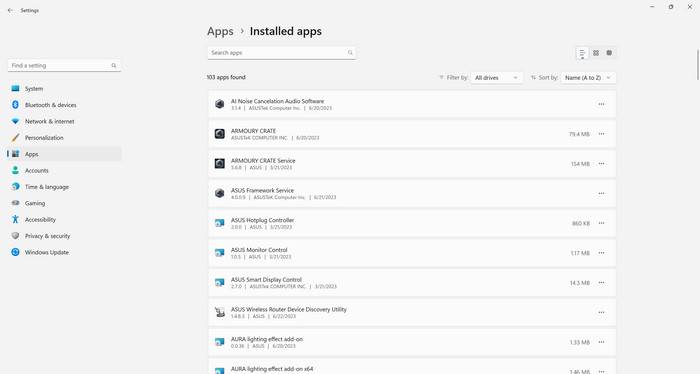
- Locate “Microsoft Office Suite Activation Assistant” in the list of installed programs.
- Right-click on it and select “Uninstall” or “Remove.”
- Follow the on-screen prompts to complete the uninstallation process.
2. Use a Third-Party Uninstaller:
If you prefer a more thorough uninstallation process, you can use a third-party uninstaller tool like Revo Uninstaller Free. These tools can help remove any leftover files or registry entries associated with the Activation Assistant, ensuring a clean uninstallation.
Conclusion
The Microsoft Office Suite Activation Assistant is a program that helps manage the activation process for your Office applications. While it is a legitimate program provided by Microsoft, there may be instances where you might consider removing it from your system. If you are experiencing activation issues, have performance concerns, or simply prefer to have control over the programs running on your computer, removing the Activation Assistant could be beneficial.
When removing the Activation Assistant, you can use the built-in uninstallation feature in the Control Panel or opt for a third-party uninstaller tool like Revo Uninstaller Free for a more thorough removal. However, it is important to note that removing the Activation Assistant will not affect the functionality of your Office applications as long as they are properly activated.
Ultimately, the decision to remove the Microsoft Office Suite Activation Assistant depends on your specific needs and preferences. Consider the factors mentioned in this article and make an informed decision based on your individual circumstances.

Join the discussion
0 commentsShare your experience or ask a question about this article.
Discussion
Start the conversation
Have a question or something useful to share? Add the first comment.