

cMicrosoft Outlook is a popular email client used by millions of people around the world. It offers a wide range of features and functionalities to help users manage their emails, calendars, contacts, and tasks efficiently. However, some users may notice that the Microsoft Outlook process is running in the Task Manager even when they are not actively using the application. This article aims to explore the reasons behind this behavior and provide valuable insights to the readers.
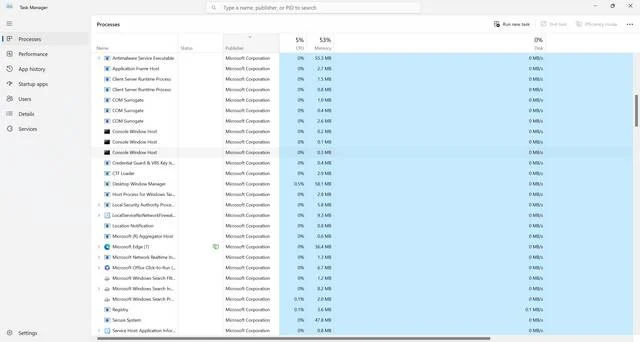
Understanding the Microsoft Outlook Process
Before diving into the reasons why the Microsoft Outlook process is running in the Task Manager, it is essential to understand how the application works. Microsoft Outlook consists of several components that work together to provide a seamless email experience. These components include:
- Outlook.exe: This is the main executable file that launches the Outlook application.
- Outlook Data File (.pst): This file stores all the user’s emails, contacts, calendars, and other data.
- Outlook Add-ins: These are additional programs or features that enhance the functionality of Outlook.
When you open Microsoft Outlook, the Outlook.exe process is launched, and it remains active in the background even when you close the application. This allows Outlook to receive new emails, update calendars, and perform other tasks in real-time.
Reasons for Microsoft Outlook Process Running in Task Manager
There are several reasons why the Microsoft Outlook process may continue to run in the Task Manager:
1. Synchronization and Background Tasks
One of the primary reasons for the Outlook process running in the background is synchronization with email servers and other connected accounts. Outlook constantly checks for new emails, updates calendars, and synchronizes data with various online services. These background tasks ensure that your emails and other data are up to date and readily available when you open the application.
Additionally, Outlook may also perform other background tasks like sending or receiving emails, updating RSS feeds, or performing automatic archiving. These tasks require the Outlook process to remain active in the background to ensure smooth operation.
2. Add-ins and Integrations
Outlook supports a wide range of add-ins and integrations with other applications and services. These add-ins enhance the functionality of Outlook by providing additional features and capabilities. Some popular examples of Outlook add-ins include email tracking tools, calendar integrations, and productivity extensions.
When you install an add-in or integrate Outlook with another application, it may require the Outlook process to remain active in the background to function correctly. For example, an email tracking tool needs to monitor your outgoing emails continuously, which requires the Outlook process to be running.
3. Cached Exchange Mode
Cached Exchange Mode is a feature in Outlook that allows users to access their emails, calendars, and contacts even when they are offline. When this mode is enabled, Outlook creates a local copy of your mailbox on your computer, which is synchronized with the Exchange server.
The Microsoft Outlook process needs to run in the background to keep the local mailbox synchronized with the server. This ensures that any changes made to your mailbox, such as sending or receiving emails, updating calendars, or modifying contacts, are reflected both locally and on the server.
Should You Be Concerned?
Seeing the Microsoft Outlook process running in the Task Manager may raise concerns for some users, especially if they are not actively using the application. However, in most cases, this behavior is entirely normal and does not indicate any issues or security threats.
However, if you notice any unusual behavior or suspect that your computer may be infected with malware or viruses, it is always recommended to run a scan using reliable security software. Malwarebytes Free is a popular choice for scanning and removing malware from your system.
Conclusion
The Microsoft Outlook process running in the Task Manager is a common occurrence and is usually not a cause for concern. It is essential to understand that Outlook performs various background tasks, synchronization processes, and integrates with other applications, which require the process to remain active even when you are not actively using the application.
If you notice any unusual behavior or suspect any security threats, it is always recommended to run a scan using reliable security software like Malwarebytes Free. This will help ensure the safety and security of your computer and data.
By understanding the reasons behind the Microsoft Outlook process running in the Task Manager, users can have a better understanding of the application’s functionality and make informed decisions regarding their email management and security.

Join the discussion
0 commentsShare your experience or ask a question about this article.
Discussion
Start the conversation
Have a question or something useful to share? Add the first comment.