

Microsoft SQL Server Compact SP2 ENU is a software component developed by Microsoft Corporation. It is a free, embedded database engine that enables developers to build applications for desktop and mobile devices. This article will provide a detailed overview of Microsoft SQL Server Compact SP2 ENU, its features, and whether or not you should consider removing it from your system.
What is Microsoft SQL Server Compact SP2 ENU?
Microsoft SQL Server Compact SP2 ENU, also known as SQL Server Compact Edition or SQL CE, is a lightweight, in-process database engine designed for developers who need a compact and easy-to-use database solution. It is a part of the Microsoft SQL Server family and provides a subset of the functionality available in the full version of SQL Server.
SQL Server Compact SP2 ENU is primarily used for developing applications that require local data storage, such as desktop applications, mobile apps, and embedded systems. It offers a rich set of features, including support for SQL queries, transactions, and data synchronization with other SQL Server databases.
Key Features of Microsoft SQL Server Compact SP2 ENU
Here are some of the key features of Microsoft SQL Server Compact SP2 ENU:
- Small Footprint: SQL Server Compact SP2 ENU has a small installation size, making it ideal for applications with limited disk space.
- Easy Deployment: It can be easily deployed with your application, eliminating the need for a separate database server installation.
- Compatibility: SQL Server Compact SP2 ENU supports a wide range of platforms, including Windows desktop, Windows Mobile, and Windows Embedded.
- SQL Support: It provides support for SQL queries, allowing developers to retrieve, manipulate, and store data using standard SQL syntax.
- Transactions: SQL Server Compact SP2 ENU supports transactions, ensuring data integrity and consistency.
- Data Synchronization: It allows for data synchronization with other SQL Server databases, enabling offline scenarios and data sharing between devices.
Should I Remove Microsoft SQL Server Compact SP2 ENU?
Whether or not you should remove Microsoft SQL Server Compact SP2 ENU depends on your specific needs and usage of the software. Here are a few factors to consider:
1. Application Dependencies
If you have applications installed on your system that rely on Microsoft SQL Server Compact SP2 ENU, removing it may cause those applications to stop functioning correctly. Before removing the software, ensure that none of your installed applications depend on it.
2. Disk Space
If you are running low on disk space and Microsoft SQL Server Compact SP2 ENU is not being used by any of your applications, removing it can free up valuable storage space. However, keep in mind that the installation size of SQL Server Compact SP2 ENU is relatively small compared to other database engines.
3. Security and Performance
Microsoft regularly releases updates and security patches for its software products, including SQL Server Compact SP2 ENU. If you decide to keep the software installed, it is important to ensure that you regularly update it to protect against potential security vulnerabilities.
Additionally, if you are experiencing performance issues on your system, it is worth considering whether any installed applications are utilizing Microsoft SQL Server Compact SP2 ENU excessively. In such cases, removing the software may help improve system performance.
How to Remove Microsoft SQL Server Compact SP2 ENU
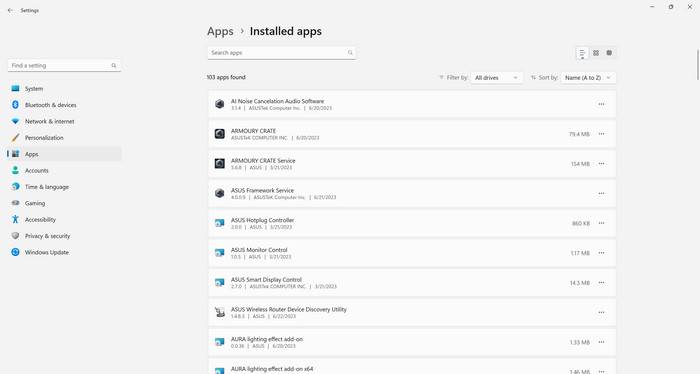
If you have decided to remove Microsoft SQL Server Compact SP2 ENU from your system, you can do so using the following steps:
- Open the Control Panel on your Windows system.
- Select “Programs” or “Programs and Features” depending on your version of Windows.
- Locate “Microsoft SQL Server Compact SP2 ENU” in the list of installed programs.
- Click on it and select “Uninstall” or “Remove”.
- Follow the on-screen instructions to complete the uninstallation process.
After the removal process is complete, it is recommended to restart your system to ensure that all changes take effect.
If you encounter any issues during the uninstallation process or if you suspect that your system may be infected with malware, it is advisable to scan your system using a reliable antivirus or anti-malware software. Malwarebytes Free is a popular choice for scanning and removing malware from Windows systems.
Conclusion
Microsoft SQL Server Compact SP2 ENU is a lightweight, embedded database engine that offers a range of features for developers. Whether or not you should remove it depends on your specific needs and usage of the software. Consider factors such as application dependencies, disk space, security, and performance before making a decision.
If you decide to remove Microsoft SQL Server Compact SP2 ENU, follow the provided steps to uninstall it from your system. Additionally, consider scanning your system for malware using Malwarebytes Free if you encounter any issues or suspect an infection.
Remember to regularly update your software to ensure optimal performance and security. By making informed decisions about the software installed on your system, you can maintain a clean and efficient computing environment.

Join the discussion
0 commentsShare your experience or ask a question about this article.
Discussion
Start the conversation
Have a question or something useful to share? Add the first comment.