

Microsoft SQL Server Compact SP2 x64 ENU is a software component developed by Microsoft that provides a compact and embedded database engine. It is designed to enable developers to build applications that require a lightweight, in-process database solution. This article will explore what Microsoft SQL Server Compact SP2 x64 ENU is, its purpose, and whether or not you should consider removing it from your system.
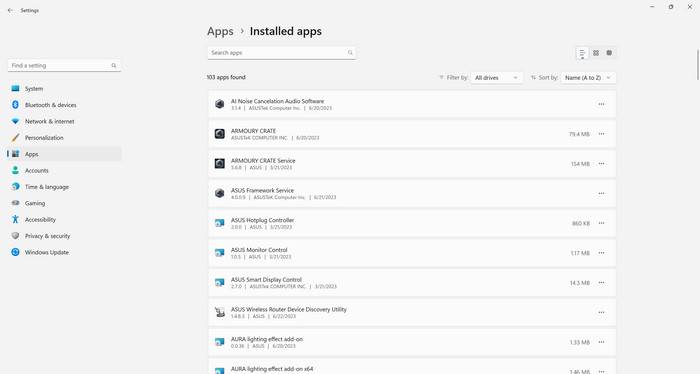
What is Microsoft SQL Server Compact SP2 x64 ENU?
Microsoft SQL Server Compact SP2 x64 ENU is a version of the SQL Server Compact Edition specifically designed for 64-bit operating systems. It is a free, embedded database engine that allows developers to create and manage local databases within their applications. It provides a lightweight and easy-to-use solution for applications that require a small, in-process database.
SQL Server Compact SP2 x64 ENU offers a range of features, including support for SQL queries, transactions, and data synchronization. It also supports a variety of data types, such as integers, strings, dates, and binary data. This makes it suitable for a wide range of applications, from desktop software to mobile apps.
Why is Microsoft SQL Server Compact SP2 x64 ENU Installed on My System?
Microsoft SQL Server Compact SP2 x64 ENU may have been installed on your system as a prerequisite for another software application. Many applications, especially those developed using Microsoft technologies, rely on SQL Server Compact Edition to manage their local databases. Therefore, if you have installed any software that requires SQL Server Compact SP2 x64 ENU, it would have been automatically installed as a dependency.
It is worth noting that SQL Server Compact SP2 x64 ENU is not a standalone application that you can use directly. It is a component that is utilized by other software applications to provide database functionality. Therefore, you may not even be aware that it is installed on your system unless you specifically look for it.
Should I Remove Microsoft SQL Server Compact SP2 x64 ENU?
Whether or not you should remove Microsoft SQL Server Compact SP2 x64 ENU depends on your specific needs and usage of your system. Here are a few factors to consider:
1. Do you use any applications that rely on SQL Server Compact Edition?
If you use any software applications that require SQL Server Compact Edition, removing Microsoft SQL Server Compact SP2 x64 ENU may cause those applications to stop functioning correctly. Therefore, it is important to identify if any of the software you use relies on this component before considering its removal.
2. Do you have limited storage space?
Microsoft SQL Server Compact SP2 x64 ENU is a relatively small component, taking up only a few megabytes of disk space. If you have limited storage space on your system, removing it may free up some space. However, the amount of space saved is minimal compared to other applications or files on your system.
3. Are you experiencing any issues or conflicts related to SQL Server Compact SP2 x64 ENU?
If you are not using any applications that rely on SQL Server Compact Edition and you are experiencing issues or conflicts related to this component, it may be worth considering its removal. However, it is important to note that removing it may cause other applications to stop functioning correctly if they depend on it.
How to Remove Microsoft SQL Server Compact SP2 x64 ENU?
If you have determined that you no longer need Microsoft SQL Server Compact SP2 x64 ENU and want to remove it from your system, there are a few methods you can use:
1. Uninstall via Control Panel
The most common method to remove software components from your system is through the Control Panel. Here’s how you can uninstall Microsoft SQL Server Compact SP2 x64 ENU using this method:
- Open the Control Panel on your Windows system.
- Navigate to the “Programs” or “Programs and Features” section.
- Locate “Microsoft SQL Server Compact SP2 x64 ENU” in the list of installed programs.
- Select it and click on the “Uninstall” or “Remove” button.
- Follow the on-screen instructions to complete the uninstallation process.
After the uninstallation process is complete, it is recommended to restart your system to ensure that all changes take effect.
2. Use a Third-Party Uninstaller Tool
If you prefer a more thorough uninstallation process, you can use a third-party uninstaller tool like Revo Uninstaller Free. These tools provide advanced features that can help you remove software components and their associated files and registry entries more effectively.
When using a third-party uninstaller tool, follow the instructions provided by the tool to uninstall Microsoft SQL Server Compact SP2 x64 ENU. These tools typically offer a more comprehensive scan of your system to identify and remove all traces of the software component.
Summary
Microsoft SQL Server Compact SP2 x64 ENU is a software component that provides a lightweight, embedded database engine for applications. It is typically installed as a prerequisite for other software applications that rely on SQL Server Compact Edition. Whether or not you should remove it depends on your specific needs and usage of your system.
If you use any applications that require SQL Server Compact Edition, removing Microsoft SQL Server Compact SP2 x64 ENU may cause those applications to stop functioning correctly. However, if you are not using any such applications and are experiencing issues or conflicts related to this component, you may consider removing it.
To remove Microsoft SQL Server Compact SP2 x64 ENU, you can use the Control Panel or a third-party uninstaller tool like Revo Uninstaller Free. It is important to follow the instructions provided by the chosen method to ensure a successful and thorough uninstallation process.
Ultimately, the decision to remove Microsoft SQL Server Compact SP2 x64 ENU should be based on your specific circumstances and requirements. Consider the factors mentioned in this article and

Join the discussion
0 commentsShare your experience or ask a question about this article.
Discussion
Start the conversation
Have a question or something useful to share? Add the first comment.